Can Knee Cartilage Regrow? Understanding Cartilage Regeneration and ACI

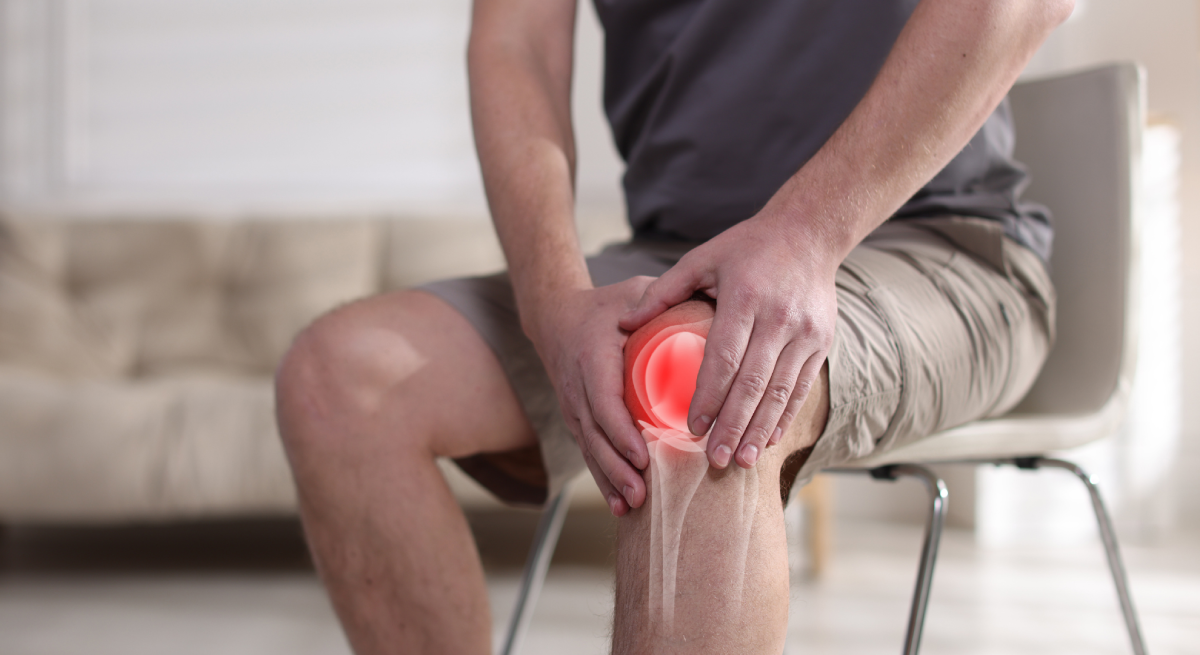
When protective cartilage inside the knee wears away or suffers an injury, it can affect how the joint functions. Unlike skin or bone, cartilage cannot easily replace lost tissue. This is why cartilage regeneration knee treatment is an important consideration for patients diagnosed with specific cartilage defects.
However, cartilage damage does not always require the same intervention. A localised injury differs from widespread cartilage loss caused by arthritis. Understanding this distinction helps determine whether procedures such as Autologous Chondrocyte Implantation (ACI) are appropriate.
Why Is Knee Cartilage Difficult to Regenerate?
The knee joint has a protective layer of cartilage between the thigh bone and shin bone. This tissue helps absorb mechanical stress and allows the joint surfaces to move against each other with minimal friction.
The difficulty begins when this tissue is damaged. Cartilage has very few cells and no direct blood supply. Its ability to replace damaged tissue is therefore limited.
The type and depth of cartilage damage help determine the most suitable approach to cartilage regeneration knee treatment.
The nature of the injury determines the extent of the problem:
- Cartilage softening: The tissue loses firmness and may develop surface irregularities.
- Cartilage fissures: Cracks develop within the tissue, sometimes extending towards the underlying bone.
- Full-thickness defects: Cartilage is lost through its entire depth, exposing the bone underneath.
- Degenerative changes: Cartilage gradually breaks down across the joint, as seen in osteoarthritis.
These conditions require different assessments. A cartilage defect alone does not establish whether cartilage regeneration knee surgery will be beneficial.
Which Procedures Can Repair Damaged Knee Cartilage?
The choice of cartilage regeneration knee treatment depends on the defect and the condition of the remaining joint. Cartilage restoration aims to address damaged areas and support the development of repair tissue.
Common procedures include:
Microfracture
Small perforations are made in the bone beneath the cartilage defect. Bone marrow elements enter the affected area and stimulate repair. The resulting tissue is usually fibrocartilage, which differs from native articular cartilage.
Osteochondral Grafting
This procedure replaces the affected section with a graft containing cartilage and supporting bone. The graft can be harvested from another suitable area of the patient's knee or sourced from a donor.
Autologous Chondrocyte Implantation
ACI uses the patient's own cartilage cells to address a localised defect. The harvested cells undergo controlled laboratory expansion before being placed into the prepared cartilage defect. It is a specialised option within cartilage regeneration knee treatment.
How Does Autologous Chondrocyte Implantation (ACI) Work?
ACI is a cell-based procedure developed for selected patients with symptomatic cartilage defects. Its purpose is to encourage repair within an area where the original cartilage has been damaged.
The treatment involves four stages:
- Cartilage collection: The surgeon examines the knee and collects a small sample of healthy cartilage.
- Cell expansion: The sample is sent to a specialised laboratory, where chondrocytes are isolated and multiplied.
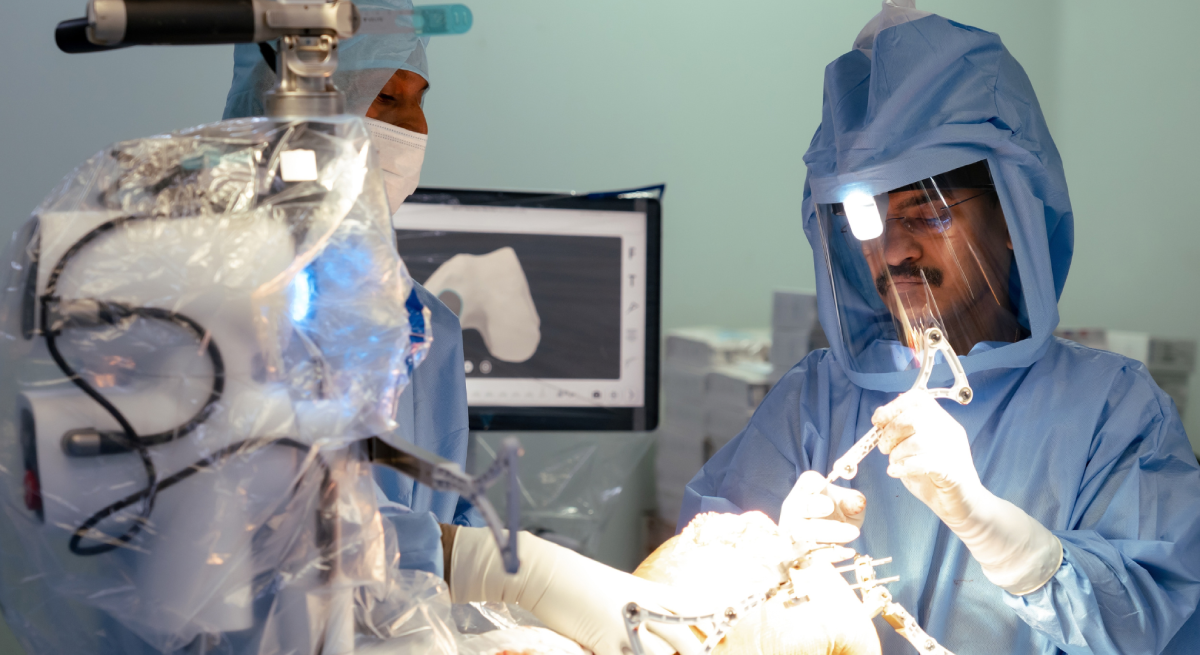
- Implantation: During a subsequent operation, the cultured cells are placed into the prepared defect using an appropriate technique.
- Tissue development: The implanted cells contribute to the formation of repair tissue over time.
ACI is not an instant replacement for lost cartilage. The biological response develops gradually, and outcomes vary between patients. This is an important consideration when evaluating cartilage regeneration knee options.
Who Can Be Considered for ACI Treatment?
Patient selection is particularly important when planning cartilage regeneration knee procedures.
ACI may be considered for patients who have:
- A symptomatic, localised, full-thickness cartilage defect.
- Relatively healthy cartilage in the surrounding joint.
- Adequate joint stability and appropriate alignment.
- No advanced, widespread osteoarthritis.
The surgeon also considers age, activity requirements, defect dimensions and underlying bone condition.
For patients with extensive cartilage loss throughout the knee, ACI may not address the underlying problem. Other treatment options may be more suitable. Therefore, cartilage regeneration knee surgery requires careful evaluation before a procedure is recommended.
What Tests Help Identify Cartilage Damage?
Treatment decisions should be based on the actual condition of the joint rather than symptoms alone. Diagnostic findings also help establish whether a patient may benefit from cartilage regeneration knee treatment.
Assessment generally includes:
- Physical examination: Identifies tenderness, swelling, restricted movement and joint instability.
- X-rays: Assess joint space, bone alignment and degenerative changes.
- MRI: Shows cartilage thickness, defect location, bone involvement and surrounding soft tissues.
These investigations help determine whether a focal defect is suitable for restoration or whether more extensive degeneration is present.
What Should Patients Expect During ACI Recovery?
Recovery after ACI requires a carefully managed rehabilitation programme. The treated area needs protection while the implanted cells develop.
Rehabilitation generally involves:
- Initial weight-bearing restrictions as advised by the surgeon.
- Gradual restoration of knee movement.
- Progressive muscle strengthening.
- Functional exercises based on healing progress.
- A supervised return to higher-impact activities.
Recovery may take several months, depending on the defect, surgical technique and individual response. Returning to sports requires particular care because premature loading can affect the repair.
Frequently Asked Questions
1. Can knee cartilage regenerate without surgery?
Cartilage has limited natural repair capacity. Exercise and rehabilitation can support joint function, but cannot reliably replace a significant cartilage defect.
2. Does ACI restore the original cartilage?
ACI encourages the development of cartilage-like repair tissue using the patient's own cells. However, the resulting tissue is not guaranteed to be identical to normal cartilage.
3. Is ACI recommended for knee arthritis?
ACI is mainly intended for localised cartilage defects. It is generally unsuitable for advanced osteoarthritis involving widespread cartilage loss.
4. How long does cartilage repair take after ACI?
The process takes several months. Rehabilitation and the return to demanding activities depend on the patient's progress.
5. Can cartilage damage be detected through an MRI?
Yes. MRI helps identify the location, depth and extent of cartilage damage, along with changes in the underlying bone and surrounding structures.
Conclusion
Cartilage restoration is not a single treatment for every form of knee damage. The distinction between a localised defect and widespread degeneration determines whether ACI, microfracture or osteochondral grafting may be appropriate.
Dr. S. Arumugam and team emphasise identifying the exact nature of cartilage damage before recommending treatment. Decisions are guided by joint conditions, functional requirements and the expected benefits of available procedures.