Knock Knees (Valgus) Correction Treatment in Chennai
Correcting alignment early protects the knee from years of uneven, accelerated wear.
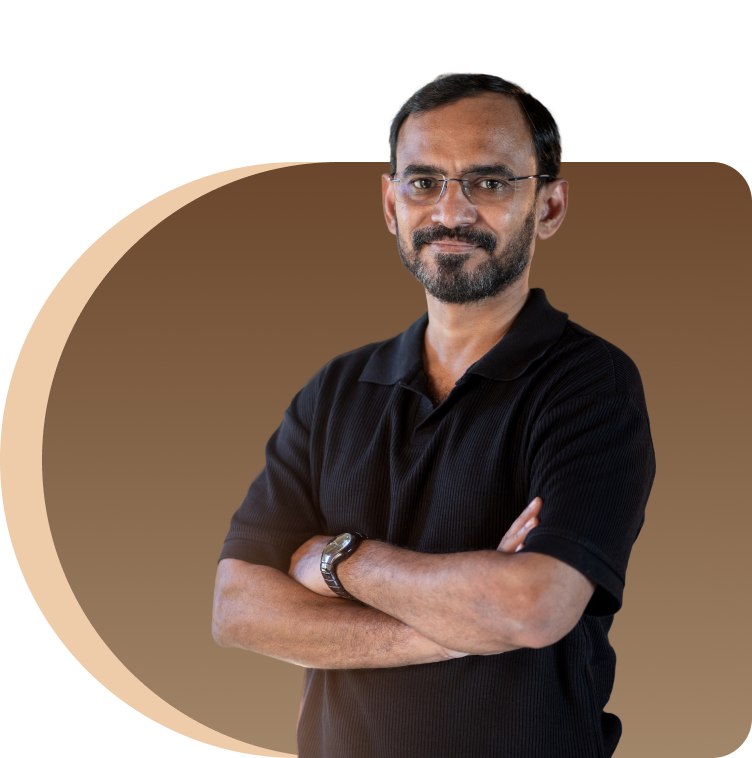
- Dr. Arumugam. S

Knock Knees (Valgus) Correction Treatment in Chennai
Knock knees (genu valgum) can affect the way body weight is distributed across the knee joint, placing increased stress on specific areas of the joint over time. In adults, significant inward knee alignment may contribute to knee pain, worsening deformity, instability, and accelerated joint wear.
If you are considering knock knees correction in Chennai, a comprehensive orthopedic assessment can determine the severity of the deformity and identify the most appropriate treatment plan for your condition.
Schedule a consultation with Dr Arumugam to evaluate your knee alignment and discuss personalized treatment options.
27+
Years Experience
10,000+
Joint Replacement
1350+
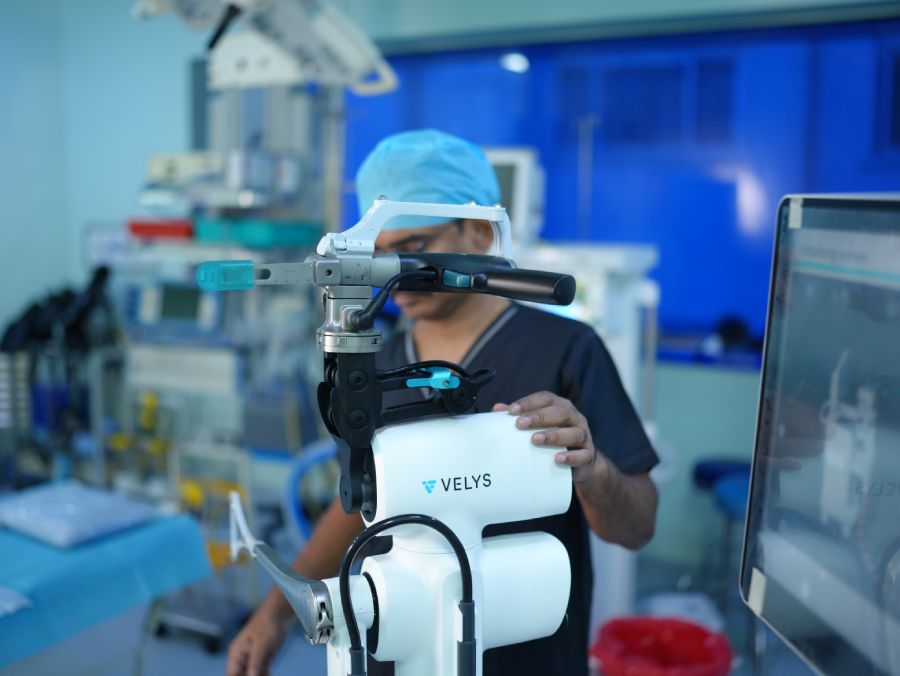
Robotic Surgeries
20,000+
Patients Treated
Why Choose Dr Arumugam for Knock Knees Correction in Chennai?
Patients seeking knock knees treatment in Chennai benefit from specialist evaluation, accurate diagnosis, and individualized treatment planning.
Dr Arumugam's orthopedic practice is supported by:
- 27+ years of surgical experience
- Treatment of 20,000+ patients from over 140 countries
- 10,000+ joint replacement procedures performed
- 1,350+ robotic knee surgeries completed
- Expertise in robotic-assisted knee replacement and advanced orthopedic procedures
- Participation as faculty at national and international orthopedic conferences
- Experience managing complex deformity correction and knee reconstruction cases
Every treatment plan is tailored to the patient's alignment, symptoms, joint condition, and long-term functional requirements.
Overview of Knock Knees (Genu Valgum)
Knock knees, medically known as genu valgum, describe a condition where the knees angle inward relative to the hips and ankles. While mild valgus alignment may not require treatment, more pronounced deformities can place uneven stress on the knee joint, alter lower limb mechanics, and increase the risk of joint degeneration over time.
In adults, genu valgum treatment may be recommended when the deformity causes symptoms, affects function, or contributes to progressive joint damage. Early assessment allows appropriate planning and helps determine whether conservative care or surgical correction is required.
When Is Knock Knees Correction Recommended?
Not every patient with knock knees requires surgery. However, knock knee correction surgery or other forms of leg alignment correction treatment may be recommended when:
Correction may be advised if:
- The deformity is severe or increasing over time
- Knee pain becomes persistent despite conservative care
- Joint wear is progressing unevenly
- Alignment affects stability and function
- There is a risk of accelerated arthritis development
- Non-surgical treatments have not provided sufficient relief

Timely intervention can help restore alignment and reduce excessive stress on the knee joint.
Non-Surgical and Surgical Treatment Options for Knock Knees
For mild deformities or early symptoms, non-surgical treatment may include physiotherapy and muscle strengthening, activity modification, weight management strategies, supportive bracing in selected cases, and symptom management through individualized rehabilitation. While these measures can help improve symptoms, they generally do not correct established bone alignment abnormalities in adults. When significant correction is required, surgical options may include:
Corrective Osteotomy to Realign the Leg
Joint Preservation Procedures
Reconstruction Techniques for Associated Instability
Knee Replacement for Advanced Arthritis with Valgus Deformity
The most appropriate procedure depends on age, severity of deformity, bone quality, joint health, and individual functional requirements. With more than 27 years of orthopedic experience, Dr Arumugam has managed a wide range of complex knee conditions and deformity correction procedures, including 10,000+ joint replacement surgeries and extensive expertise in robotic joint replacement.
Recovery After Knock Knees Correction Treatment
Recovery depends on the type of procedure performed and the degree of correction required.
Most patients can expect:
- Early supervised mobilization
- Structured physiotherapy programs
- Gradual progression of weight-bearing activities
- Periodic clinical and radiological follow-up
- Individualized rehabilitation milestones
Patients undergoing osteotomy procedures typically require several months for complete bone healing, while recovery following knee replacement follows a structured rehabilitation pathway designed to support safe return to daily activities.
Schedule a consultation with Dr Arumugam to evaluate your knee alignment and discuss personalized treatment options.
Diagnosis of Valgus Knee Deformity
Accurate diagnosis is essential before planning valgus correction treatment. A comprehensive evaluation typically includes:
Causes and Symptoms of Knock Knees
Knock knees may develop from several underlying factors and can present with a range of symptoms.

- Developmental alignment abnormalities
- Previous fractures around the knee or lower limb
- Osteoarthritis affecting the knee joint
- Rheumatoid arthritis
- Metabolic bone disorders
- Ligament imbalance or instability

- Visible inward knee alignment
- Knee pain during daily activities
- Uneven weight distribution across the knee
- Feeling of instability while standing or walking
- Progressive worsening of the deformity
- Early wear affecting one side of the knee joint
Early assessment helps determine whether valgus deformity treatment is required to prevent further joint damage.
Risks and Expected Outcomes
Like all orthopedic procedures, corrective surgery for knock knees involves potential risks. Careful planning and appropriate surgical technique help minimize these risks.
- Infection
- Blood clots
- Delayed bone healing
- Residual alignment concerns
- Joint stiffness
- Need for additional treatment in selected cases
- Improved lower limb alignment
- Reduced uneven joint loading
- Better knee function over time
When carefully planned and appropriately performed, genu valgum correction can support long-term joint health and functional stability.
Read Knock Knees Correction FAQs
Frequently Asked Questions
Knock knees, or genu valgum, occur when the knees angle inward while standing, creating abnormal lower limb alignment.
Our Patient
Success Stories

The robotic surgery was painless!
The year 2015 – it was a year perfect for me. I got married. I got an onsite opportunity in the UK for a very large FMCG company. Within 5 months of my marriage, I came to know that I was going to be a father. Like in Will Smith's movie, I was indeed in the little phase of "happiness"
Mr. Ramakrishnan ()
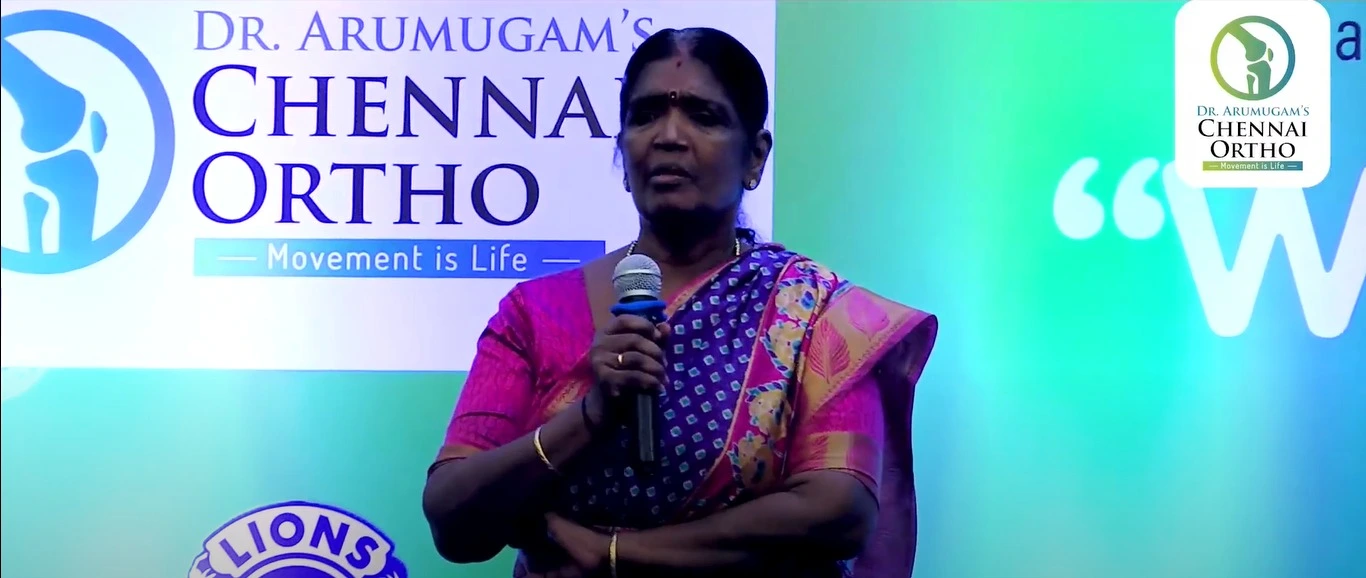
Nothing to worry about!
Thanks to Dr. Arumugam. S, I found freedom from severe knee pain and regained my independence
Mrs. Banumathi ()

Dr. Arumugam. S gave me a new lease on life!
I’m able to do all my work on my own. I have become independent again. Thank you!
Mr. Rajeshwari (65 years old)
Nothing to worry about!
Thanks to Dr. Arumugam. S, I found freedom from severe knee pain and regained my independence
Mrs. Banumathi ()
Dr. Arumugam. S gave me a new lease on life!
I’m able to do all my work on my own. I have become independent again. Thank you!
Mr. Rajeshwari (65 years old)
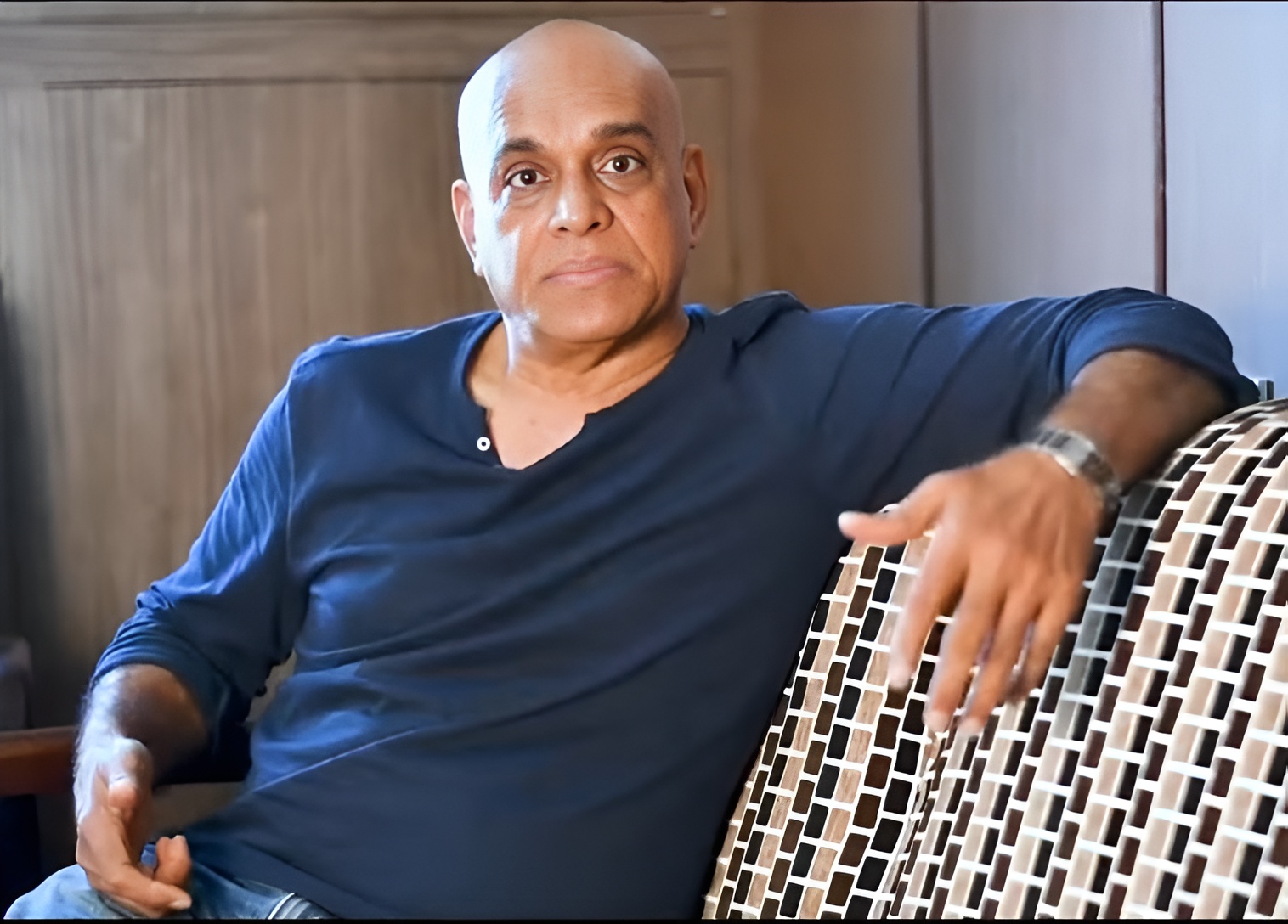
Movement is life, and staying active keeps both the body and mind healthy.
No matter the age, keeping the body in motion through activities like walking or cycling helps maintain strong joints, improves mobility, and keeps us energetic. Regular movement plays a key role in preventing stiffness and supporting a healthier lifestyle.
Mr. Sundar Rajan (Endurance Cyclist)

Staying active is essential to balance a demanding life and maintain overall well-being.
In a high-pressure career, it is important to make time for movement and personal well-being. Staying active not only helps maintain physical fitness but also reduces stress and improves mental clarity. Simple habits like regular movement can make a big difference in sustaining energy, focus, and a healthy lifestyle.
Ms. Jaya Vaidhyanathan (Global Tech Leader)
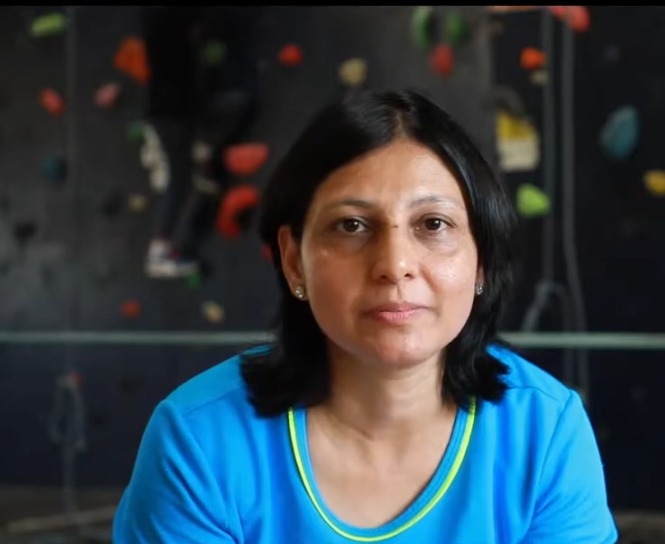
You are stronger than you think, and movement helps you discover that strength.
Through activities like running, trekking, and triathlons, I’ve realized that physical movement not only builds endurance but also strengthens the mind. Pushing your limits helps you grow, stay confident, and maintain both physical and mental fitness. Staying active is a powerful way to unlock your true potential.
Prajakta (Runner, Triathlete and Avid Trekker)
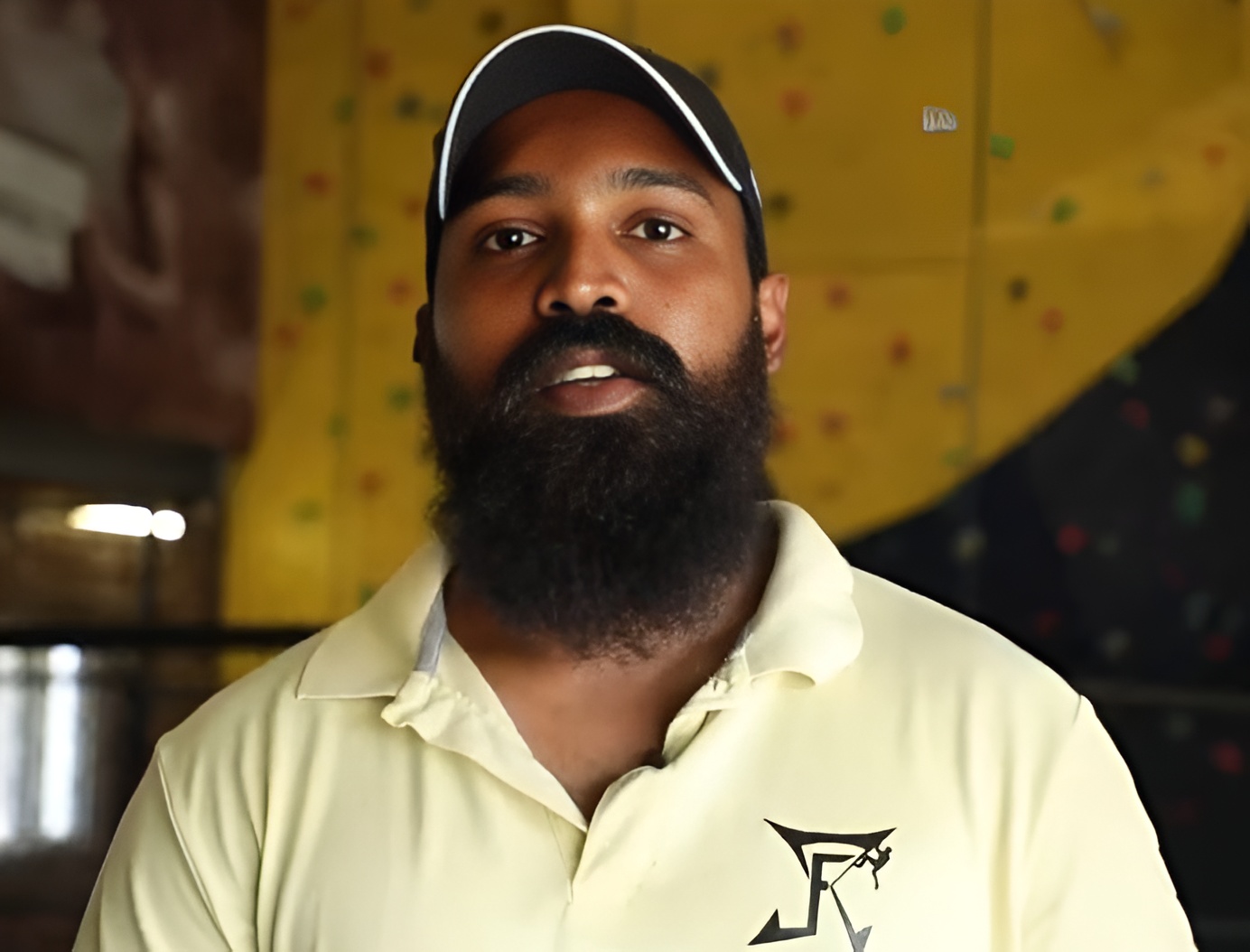
Staying active in any form can transform your life and keep you physically and mentally strong.
Through climbing and other physical activities, I’ve learned that movement builds strength, endurance, and confidence. You don’t need extreme workouts—simple activities like walking, running, or climbing regularly can improve your overall health and keep your body flexible and resilient.
Mr. Praveen (Professional Climbing Instructor)
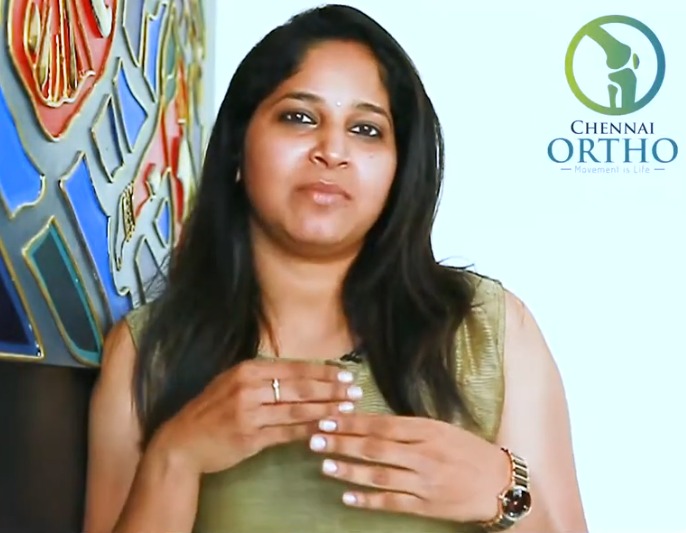
Recovery is not just about treatment, but also about staying active and nourishing your body right.
After my ACL injury, I realized that proper nutrition combined with consistent movement plays a vital role in recovery. With the right care and support, it is possible to regain strength and return to an active lifestyle. Staying aware of your body and maintaining healthy habits can make a significant difference in long-term wellness.
Ms. Divya Purushotham (Sports Nutritionist)

Even small steps of movement can make a big difference in staying healthy and active.
Through my journey in farming, cycling, and sports, I’ve learned that staying active doesn’t require big changes. Simple daily activities and consistent movement help build endurance, improve health, and bring joy to life. No matter your age or profession, keeping yourself active is the key to a healthier lifestyle.
Senthil Mohan (Farmer, Cyclist and Sports Enthusiast)
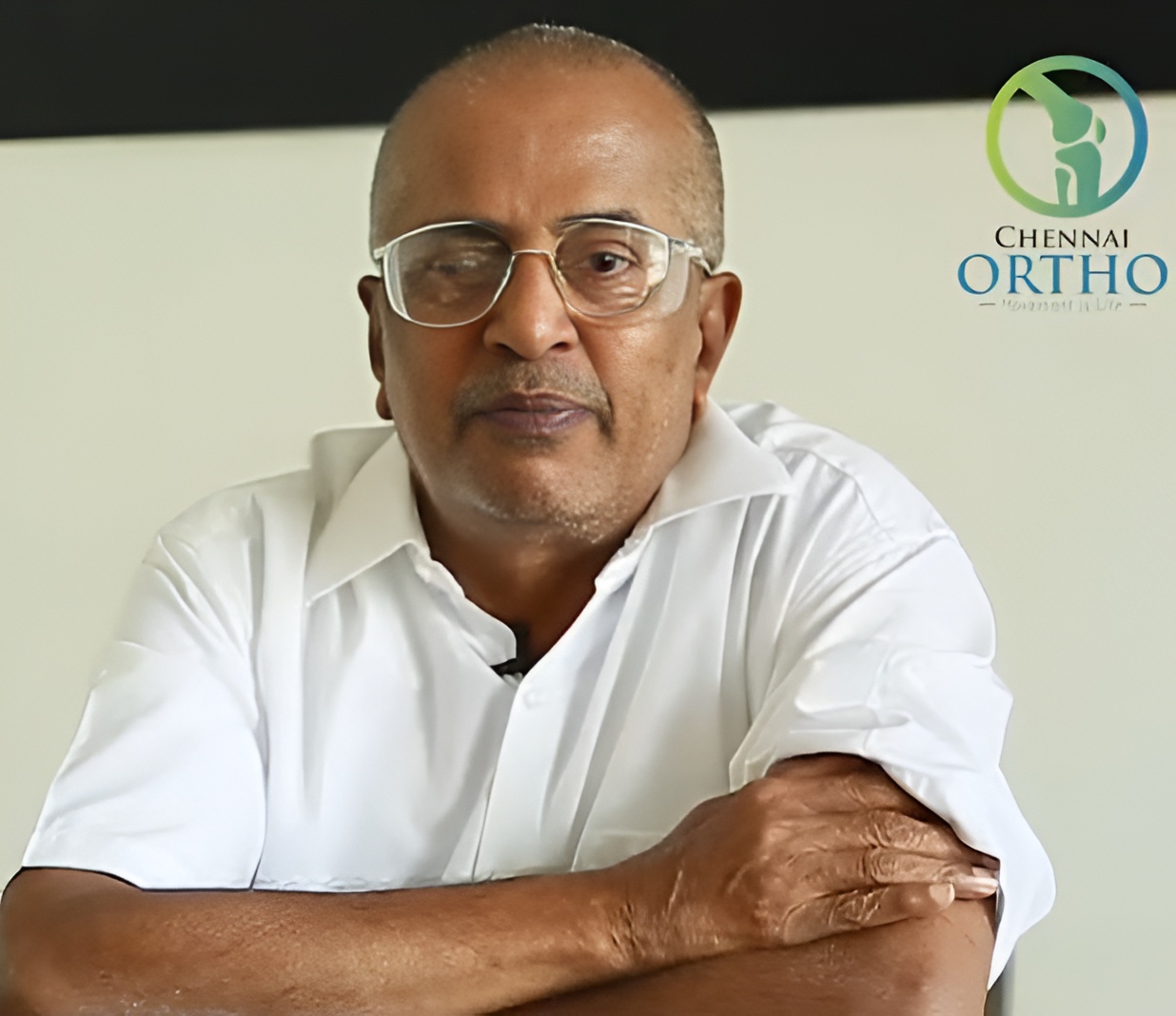
Age is never a barrier when it comes to staying active and living a healthy life.
Even after retirement, staying active through simple activities like walking, meditation, and spending time with family helps maintain both physical and mental well-being. Consistent movement keeps the body strong and the mind positive, proving that it’s never too late to adopt a healthy lifestyle.
N. Gomathinayagam (Retired Businessman)
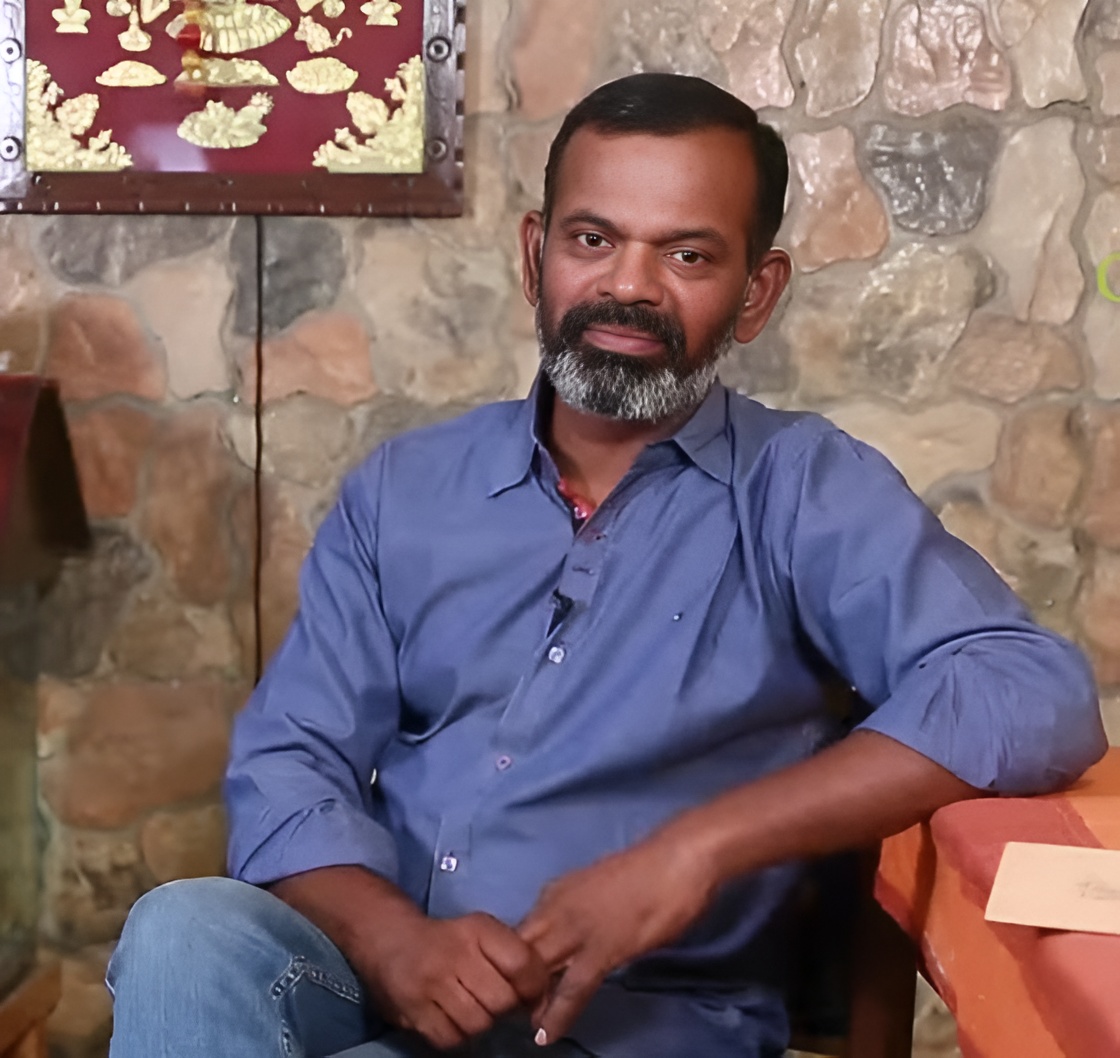
Fitness in life’s second innings keeps you active, motivated, and full of purpose.
Through long-distance cycling and an active lifestyle, I’ve learned that staying fit is important at every stage of life. Even after a professional career, maintaining movement helps build endurance, keeps the mind fresh, and brings a sense of achievement. Age should never stop you from staying active and pursuing what you love.
Mr. Vinay Babu (Ex-Banker, Endurance Cyclist)
Every patient story reflects not just a successful procedure but a return to freedom, confidence, and the ability to live life to the fullest.
Consult a Specialist
If you are experiencing symptoms related to knock knees, valgus deformity, or abnormal knee alignment, a specialist evaluation can help determine the most suitable treatment plan.
Schedule a consultation with Dr Arumugam to evaluate your knee alignment and discuss personalized treatment options.