What Are the Risks and Complications of Knee Replacement Surgery?

Knee replacement is a commonly performed procedure for people whose knee damage affects movement, comfort, and everyday activities. Like any major operation, there are knee replacement surgery risks, but complications are not expected in every patient. Most patients recover without major problems when surgery is carefully planned and recovery instructions are followed. Understanding possible risks can also help patients know what their surgical team monitors and which symptoms should be reported during recovery.
How Safe Is Knee Replacement Surgery?
Knee replacement is a well-established orthopedic procedure. Modern surgical planning, improved implants, anaesthesia techniques, infection-control measures, and structured rehabilitation support safer treatment.
Before surgery, the orthopedic team evaluates the patient's health, knee condition, medicines, and individual risk factors. This helps the surgeon plan treatment according to the patient's needs.
What Are the Main Knee Replacement Surgery Risks?
Possible complications are discussed before surgery as part of informed consent, even though many patients will not experience them.
Infection
Infection is one of the recognised knee replacement surgery risks. It may affect the wound or, less commonly, tissues around the implant.
Hospitals use sterile surgical protocols and appropriate antibiotics to reduce this possibility. Redness, unusual discharge, fever, or worsening discomfort around the wound should be reported.
Blood Clots
Reduced movement after surgery can increase the chance of a blood clot developing in the leg. Medicines, compression devices, ankle exercises, and early mobilisation may be recommended based on individual needs.
Swelling and Stiffness
Some swelling and stiffness are expected during early healing and do not automatically indicate a complication.
Physiotherapy, prescribed exercises, and appropriate movement can gradually improve knee mobility. Recovery speed varies between patients.
Bleeding and Wound Problems
Bruising or minor bleeding can occur after surgery. Significant bleeding or delayed wound healing is less common.
The medical team reviews medicines and health conditions before surgery because certain factors may influence bleeding and healing.
Nerve or Blood Vessel Injury
Nerves and major blood vessels are located around the knee, making injury a recognised but uncommon surgical risk. Careful surgical technique and detailed knowledge of knee anatomy help reduce these knee replacement surgery risks.
Can Problems Develop Around the Knee Implant?
An artificial knee is designed to restore useful joint function, but the implant and surrounding tissues should still be monitored over time.
Possible concerns include:
- Implant loosening over time
- Wear of implant components
- Knee instability
- Ongoing stiffness
- Changes in alignment
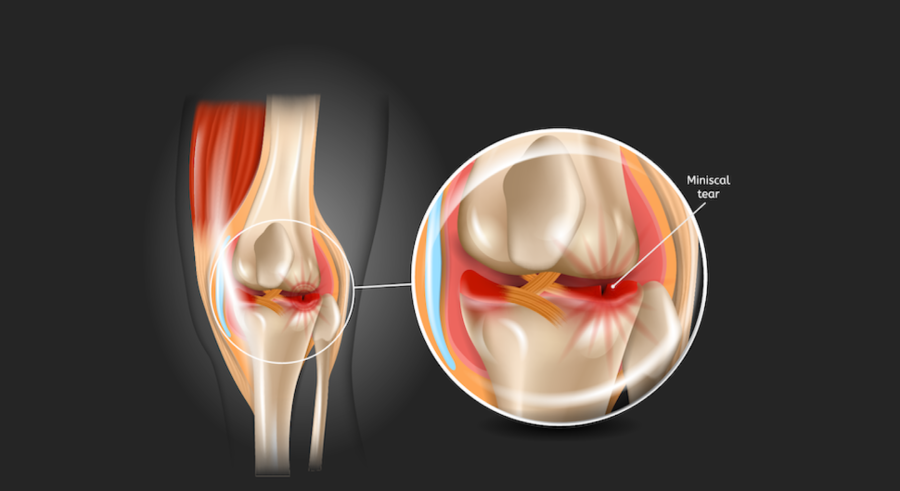
- Fracture around the implant
- Revision surgery in some patients
These possibilities do not mean another operation will necessarily be required. Follow-up helps the surgeon monitor the knee and identify changes when needed.
How Are Knee Replacement Surgery Risks Reduced?
Risk reduction starts before the operation. Medical assessment, blood tests, imaging, medication review, infection screening, surgical planning, and rehabilitation preparation may all form part of the process.
Patients can support recovery by:
- Following wound-care instructions
- Taking prescribed medicines correctly
- Completing recommended physiotherapy
- Staying active within advised limits
- Attending follow-up appointments
- Reporting unusual symptoms early
Does Robotic Assistance Change Surgical Planning?
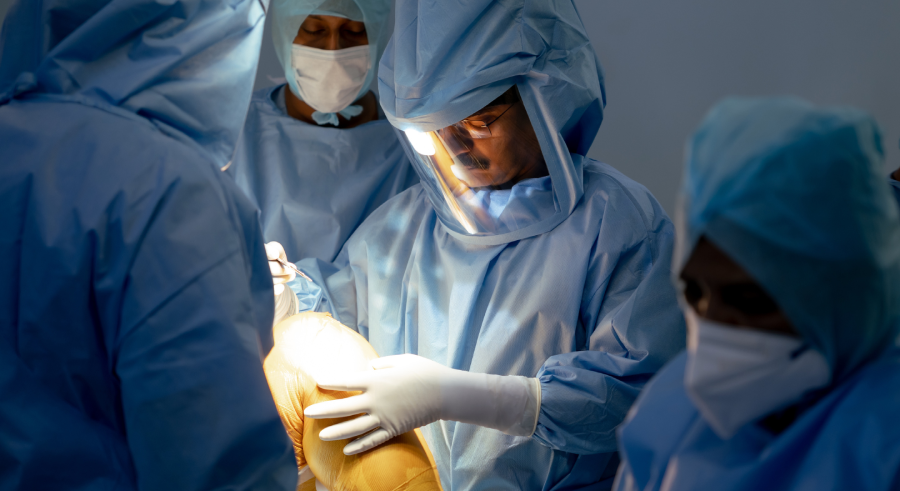
Robotic-assisted knee replacement can provide detailed information about knee anatomy, alignment, and implant positioning during surgery.
Systems such as VELYS™ can support real-time planning without requiring a pre-operative CT scan. The surgeon remains fully responsible for the procedure while robotic technology provides additional guidance.
Robotic assistance does not remove every surgical risk. Surgeon experience, patient health, planning, and rehabilitation remain important.
When Should a Patient Contact the Medical Team?
Patients should contact their healthcare team if they develop unusual wound discharge, increasing redness, significant calf swelling, high fever, sudden breathing difficulty, or symptoms that become worse rather than gradually improving.
Early communication allows the medical team to assess concerns promptly.
Frequently Asked Questions
Is knee replacement considered a high-risk surgery?
Knee replacement is a major operation performed using established safety protocols. Individual risk depends on general health, age, medical conditions, and other factors.
Are complications common after knee replacement?
Many patients recover without serious complications. Knee replacement surgery risks are discussed so patients can make informed treatment decisions.
Is swelling normal after surgery?
Yes. Some swelling is common during early recovery. Sudden or unusually severe swelling should be discussed with the medical team.
Can an artificial knee become loose?
Implant loosening can occur over time in some patients. Follow-up helps monitor the condition of the replacement.
Does robotic surgery eliminate knee replacement risks?
No. Robotic technology supports surgical planning and precision but cannot eliminate every surgical risk.
How can patients support recovery?
Following physiotherapy, wound-care advice, medication instructions, activity guidance, and scheduled follow-ups can support recovery.
Conclusion
Understanding knee replacement surgery risks can help patients prepare without creating unnecessary worry. Possible complications are considered throughout treatment so suitable preventive measures can be taken. Careful planning, surgical technique, rehabilitation, and follow-up all contribute to recovery.
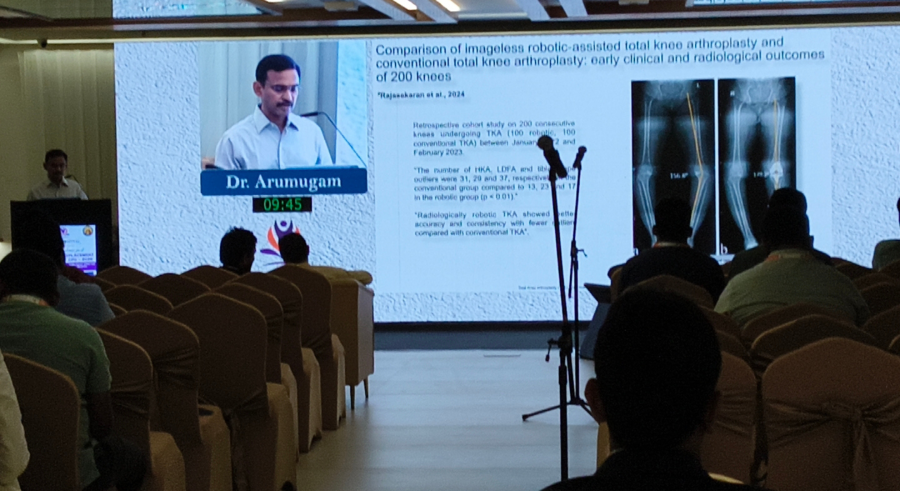
Dr. S. Arumugam and his team focus on individualised surgical planning and guided recovery, helping patients understand what to expect before and after knee replacement.