Mild Ligament Injury Treatment in Chennai
A ligament that is only stretched still needs protecting. Left to itself, it heals loose.
- Dr. Arumugam. S

Mild Ligament Injury Treatment in Chennai
Minor ligament injuries can cause pain, swelling, and reduced joint stability even without a complete tear. Early evaluation and appropriate mild ligament injury treatment in Chennai can help prevent prolonged discomfort, recurrent injuries, and unnecessary complications.
Most mild ligament injuries respond well to conservative care when diagnosed early and managed with a structured rehabilitation plan.
With over 27+ years of orthopedic experience, treatment plans are designed according to the affected joint, severity of injury, activity level, and long-term joint health rather than following a one-size-fits-all approach.
Book Your Orthopedic Consultation Today
27+
Years Experience
10,000+
Joint Replacement
1350+
Robotic Surgeries
20,000+
Patients Treated
Why Choose Dr Arumugam for Mild Ligament Injury Treatment in Chennai
Patients seek mild ligament injury treatment in Chennai from Dr. Arumugam because of his evidence-based approach to orthopedic care.
Highlights include:
- 27+ years of orthopedic experience
- Treatment of 20,000+ patients
- Expertise in advanced orthopedic procedures
- 10,000+ joint replacement procedures
- 1350+ robotic knee surgeries
- Faculty participation at international orthopedic conferences
- Individualized rehabilitation planning
- Emphasis on preserving natural joint function whenever appropriate
Each patient receives a treatment plan based on clinical findings, lifestyle, recovery goals, and long-term joint health.


Overview of Mild Ligament Injuries
Ligaments are strong bands of connective tissue that stabilize joints by connecting bones. A sudden twist, fall, sports injury, or awkward movement can overstretch or partially damage these structures, resulting in a ligament sprain or a partial tear.
Many mild ligament injuries fall under Grade 1 or selected Grade 2 sprains and can recover successfully without surgery.
Dr. Arumugam's treatment focuses on accurate diagnosis, protecting the injured ligament, reducing inflammation, restoring joint function, and helping patients safely return to their normal activities.
Common Causes and Symptoms of Ligament Damage
A ligament injury is usually traced back to a single movement the joint was not positioned to absorb, and the symptoms that follow indicate how much of the ligament was involved.
- Sports-related twisting injuries
- Sudden changes in direction while running
- Falls or accidental slips
- Road traffic injuries
- Repetitive stress on joints
- Improper landing after jumping
- Joint pain immediately after injury
- Swelling around the affected joint
- Mild bruising
- Tenderness on touch
- Feeling of instability
- Difficulty bearing weight depending on the injured ligament
- Reduced range of motion
Early assessment helps determine whether the injury is suitable for non surgical treatment for ligament injuries or requires further intervention.
Types of Mild Ligament Injuries That Can Be Treated Without Surgery
Not every ligament injury requires surgery. The treatment recommendation depends on joint stability, imaging findings, and functional assessment.
Many patients benefit from conservative treatment for ligament injury, including:
- Grade 1 ligament injury treatment for stretched ligaments without significant tearing
- Selected cases requiring grade 2 ligament tear management
- Mild ankle ligament sprains
- Mild knee collateral ligament injuries
- Wrist ligament sprains
- Finger and thumb ligament injuries
- Mild shoulder ligament sprains


An accurate assessment of which ligament is involved, and how much of it, decides whether conservative care is enough.
Non-Surgical Treatment Options for Mild Ligament Injuries
Treatment begins with protecting the injured ligament and progresses to restoring the strength around it.
Rehabilitation and return to function:
Ligament sprain treatment through supervised rehabilitation, non operative treatment for ligament injuries with gradual strengthening, joint stabilization exercises, and functional movement training. Each stage is introduced only once the joint can take the load the previous one asked of it.
Early protection and symptom control:
Rest and Activity Modification
Taking load off the injured ligament in the first days gives the torn fibres a chance to knit before they are stressed again.

Ice Application
Cold applied during the initial phase limits bleeding into the tissue and settles the pain that comes with early swelling.

Compression and Supportive Bracing
A brace holds the joint within a safe range, so the healing ligament is not pulled by the movements it cannot yet control.

Elevation to Reduce Swelling
Raising the limb above heart level drains fluid away from the joint, easing the pressure that keeps it stiff.

Anti-Inflammatory Medication
Used where appropriate to control pain and inflammation, so rehabilitation can begin without being limited by symptoms.
The aim is to restore stability while allowing the ligament to heal naturally.
Physiotherapy and Rehabilitation for Recovery
Physiotherapy for ligament injuries is often one of the most important parts of recovery.
Rehabilitation may include:
- Gentle mobility exercises
- Progressive strengthening
- Balance and proprioception training
- Flexibility exercises
- Functional rehabilitation
- Sport-specific conditioning where appropriate
Structured rehabilitation for mild ligament damage helps reduce stiffness, improves joint control, and lowers the risk of repeat injuries. Recovery programmes are adjusted based on healing progress rather than fixed timelines.
Book Your Orthopedic Consultation Today
Recovery Expectations, Risks and Outcomes
Most mild ligament injuries recover well with early conservative treatment. Many Grade 1 injuries recover within several weeks, while selected Grade 2 injuries may require a longer rehabilitation period.

- Severity of injury
- Injured ligament
- Age
- Overall health
- Compliance with physiotherapy
- Activity demands




- Chronic joint instability
- Recurrent sprains
- Persistent swelling
- Reduced joint function
- Higher risk of future ligament damage



Regular follow-up allows treatment to be modified as healing progresses.
Preventing Recurring Ligament Injuries
Preventive care is particularly important for athletes and individuals with previous ligament injuries.
- Maintaining muscle strength around joints
- Proper warm-up before physical activity
- Balance and coordination training
- Wearing appropriate footwear
- Gradually returning to sports
- Following rehabilitation instructions completely
- Avoiding early return before adequate recovery




A ligament that has been injured once is more vulnerable to the same movement again, which is why the preventive phase continues after symptoms settle.
Read Mild Ligament Injury Treatment FAQs
Frequently Asked Questions
Mild ligament injuries are Grade 1 sprains or selected Grade 2 partial tears where the ligament is stretched or partially damaged but the joint remains reasonably stable.
Our Patient
Success Stories

The robotic surgery was painless!
The year 2015 – it was a year perfect for me. I got married. I got an onsite opportunity in the UK for a very large FMCG company. Within 5 months of my marriage, I came to know that I was going to be a father. Like in Will Smith's movie, I was indeed in the little phase of "happiness"
Mr. Ramakrishnan ()
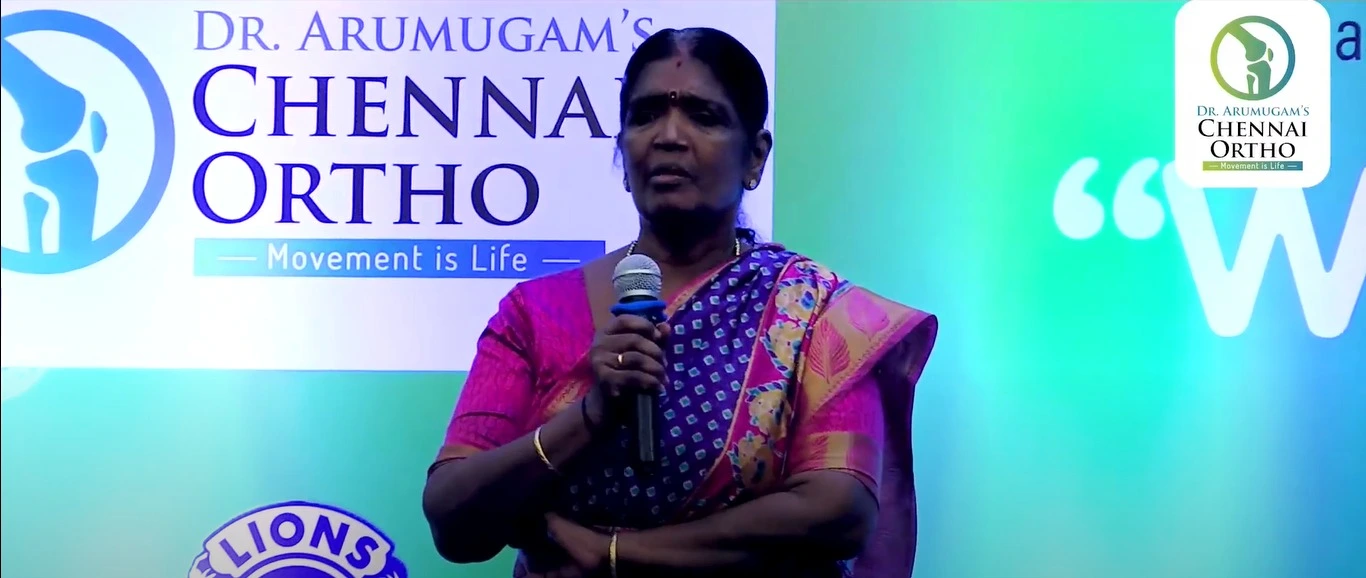
Nothing to worry about!
Thanks to Dr. Arumugam. S, I found freedom from severe knee pain and regained my independence
Mrs. Banumathi ()

Dr. Arumugam. S gave me a new lease on life!
I’m able to do all my work on my own. I have become independent again. Thank you!
Mr. Rajeshwari (65 years old)
Nothing to worry about!
Thanks to Dr. Arumugam. S, I found freedom from severe knee pain and regained my independence
Mrs. Banumathi ()
Dr. Arumugam. S gave me a new lease on life!
I’m able to do all my work on my own. I have become independent again. Thank you!
Mr. Rajeshwari (65 years old)
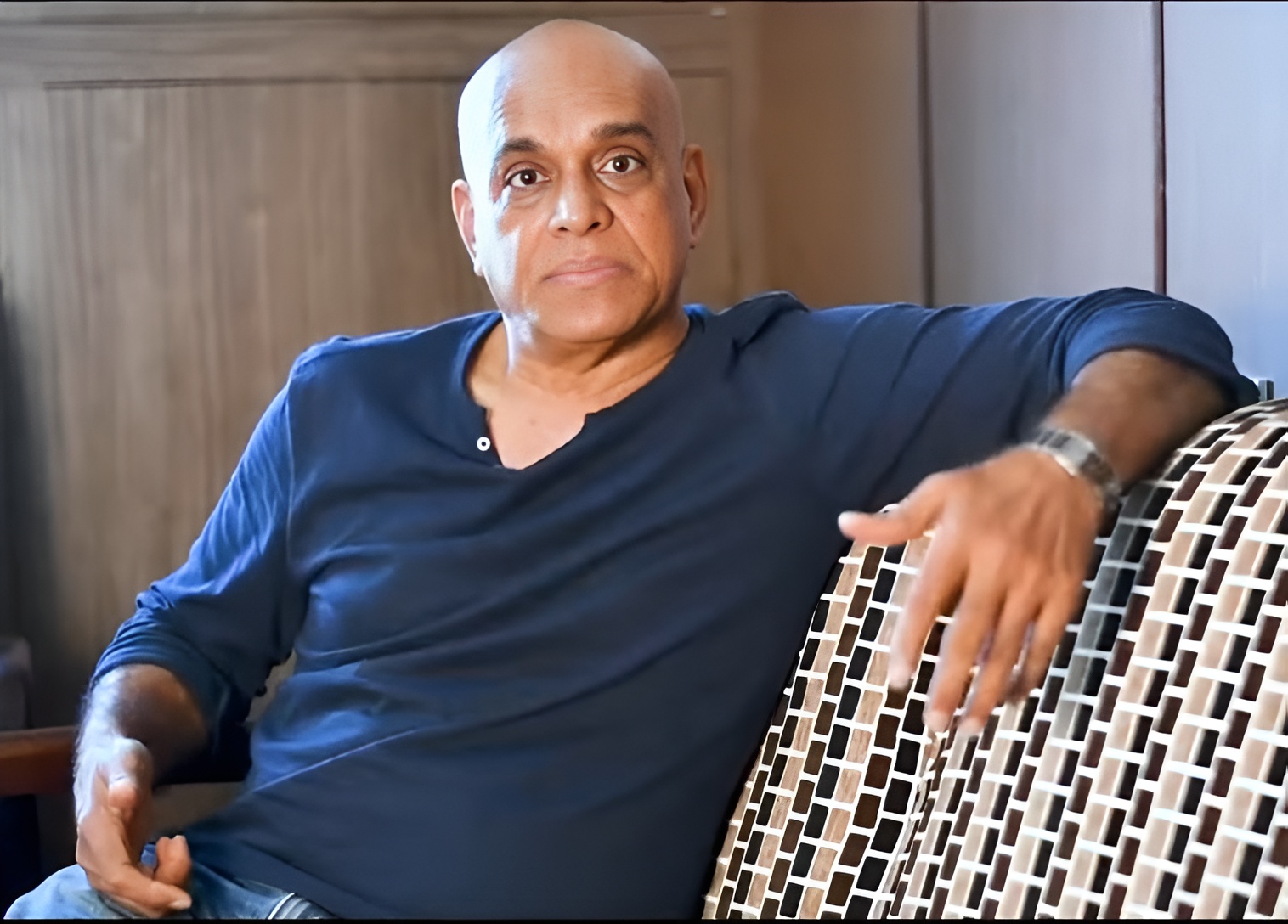
Movement is life, and staying active keeps both the body and mind healthy.
No matter the age, keeping the body in motion through activities like walking or cycling helps maintain strong joints, improves mobility, and keeps us energetic. Regular movement plays a key role in preventing stiffness and supporting a healthier lifestyle.
Mr. Sundar Rajan (Endurance Cyclist)

Staying active is essential to balance a demanding life and maintain overall well-being.
In a high-pressure career, it is important to make time for movement and personal well-being. Staying active not only helps maintain physical fitness but also reduces stress and improves mental clarity. Simple habits like regular movement can make a big difference in sustaining energy, focus, and a healthy lifestyle.
Ms. Jaya Vaidhyanathan (Global Tech Leader)
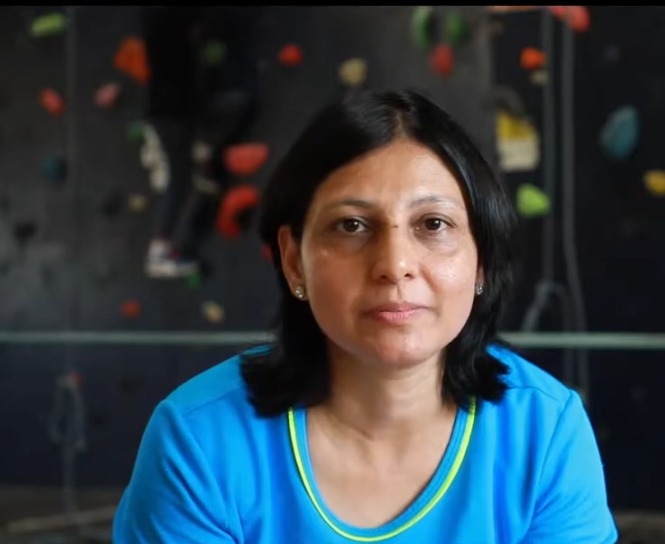
You are stronger than you think, and movement helps you discover that strength.
Through activities like running, trekking, and triathlons, I’ve realized that physical movement not only builds endurance but also strengthens the mind. Pushing your limits helps you grow, stay confident, and maintain both physical and mental fitness. Staying active is a powerful way to unlock your true potential.
Prajakta (Runner, Triathlete and Avid Trekker)
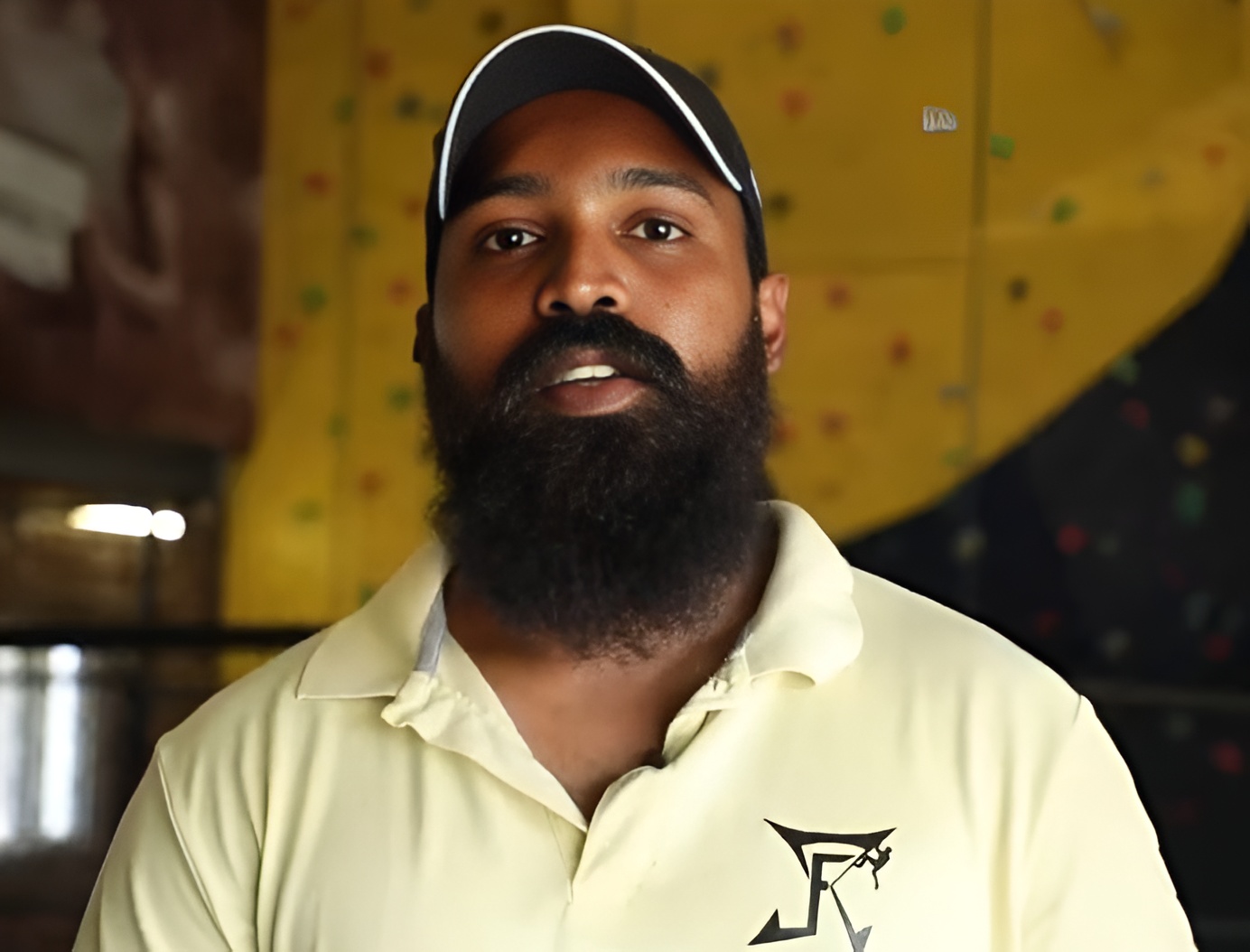
Staying active in any form can transform your life and keep you physically and mentally strong.
Through climbing and other physical activities, I’ve learned that movement builds strength, endurance, and confidence. You don’t need extreme workouts—simple activities like walking, running, or climbing regularly can improve your overall health and keep your body flexible and resilient.
Mr. Praveen (Professional Climbing Instructor)

Recovery is not just about treatment, but also about staying active and nourishing your body right.
After my ACL injury, I realized that proper nutrition combined with consistent movement plays a vital role in recovery. With the right care and support, it is possible to regain strength and return to an active lifestyle. Staying aware of your body and maintaining healthy habits can make a significant difference in long-term wellness.
Ms. Divya Purushotham (Sports Nutritionist)

Even small steps of movement can make a big difference in staying healthy and active.
Through my journey in farming, cycling, and sports, I’ve learned that staying active doesn’t require big changes. Simple daily activities and consistent movement help build endurance, improve health, and bring joy to life. No matter your age or profession, keeping yourself active is the key to a healthier lifestyle.
Senthil Mohan (Farmer, Cyclist and Sports Enthusiast)
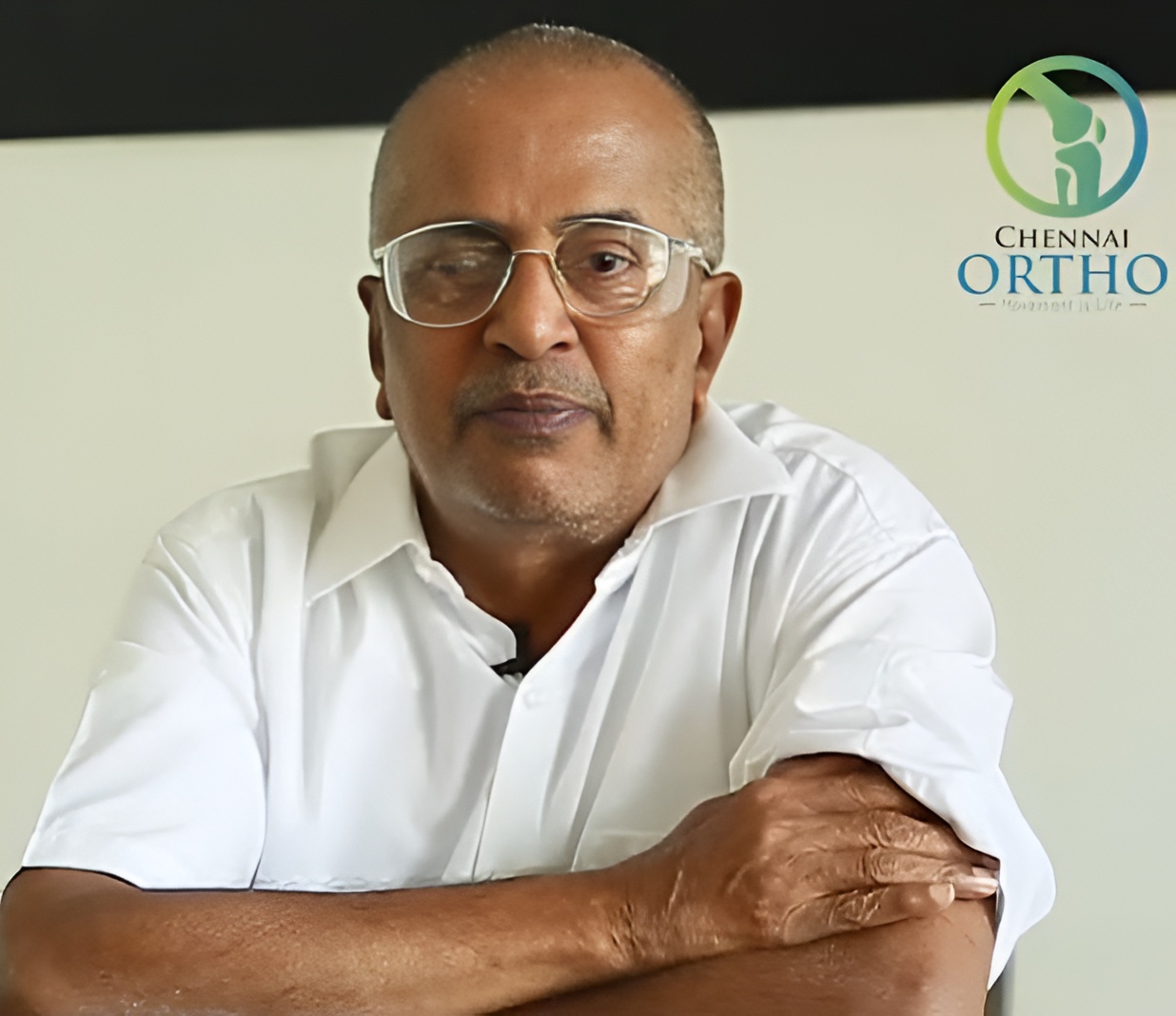
Age is never a barrier when it comes to staying active and living a healthy life.
Even after retirement, staying active through simple activities like walking, meditation, and spending time with family helps maintain both physical and mental well-being. Consistent movement keeps the body strong and the mind positive, proving that it’s never too late to adopt a healthy lifestyle.
N. Gomathinayagam (Retired Businessman)
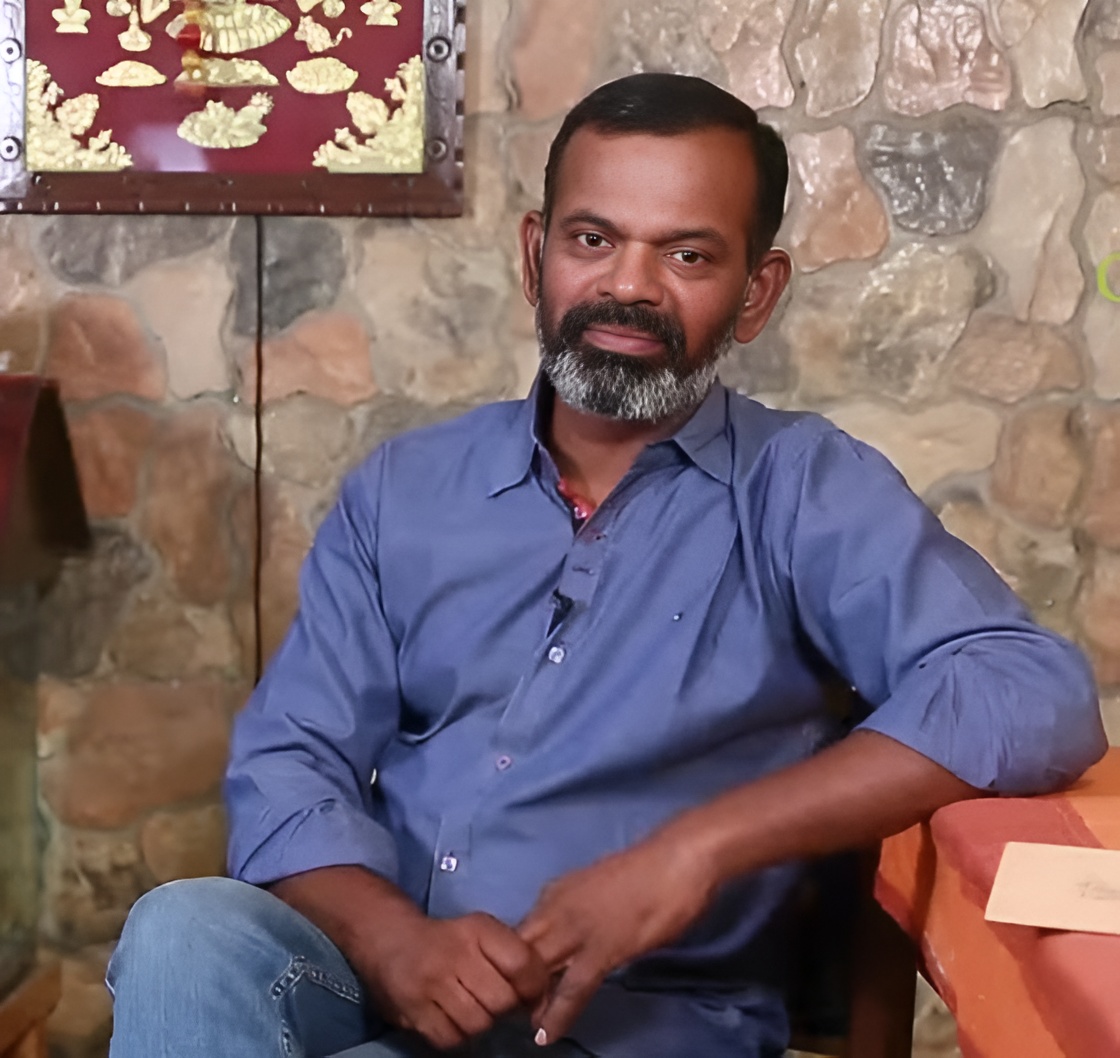
Fitness in life’s second innings keeps you active, motivated, and full of purpose.
Through long-distance cycling and an active lifestyle, I’ve learned that staying fit is important at every stage of life. Even after a professional career, maintaining movement helps build endurance, keeps the mind fresh, and brings a sense of achievement. Age should never stop you from staying active and pursuing what you love.
Mr. Vinay Babu (Ex-Banker, Endurance Cyclist)
Every patient story reflects not just a successful procedure but a return to freedom, confidence, and the ability to live life to the fullest.
Book an Appointment
If you have persistent swelling, joint pain, or instability following an injury, early orthopedic evaluation can help determine whether non surgical treatment for ligament injuries is appropriate.
Prompt diagnosis allows treatment to begin before instability or recurrent injuries develop.
Book Your Orthopedic Consultation Today