Hip Labral Tear Treatment in Chennai
Early diagnosis and appropriate treatment can help prevent ongoing joint damage and restore hip function.
- Dr. Arumugam. S

Hip Labral Tear Treatment in Chennai
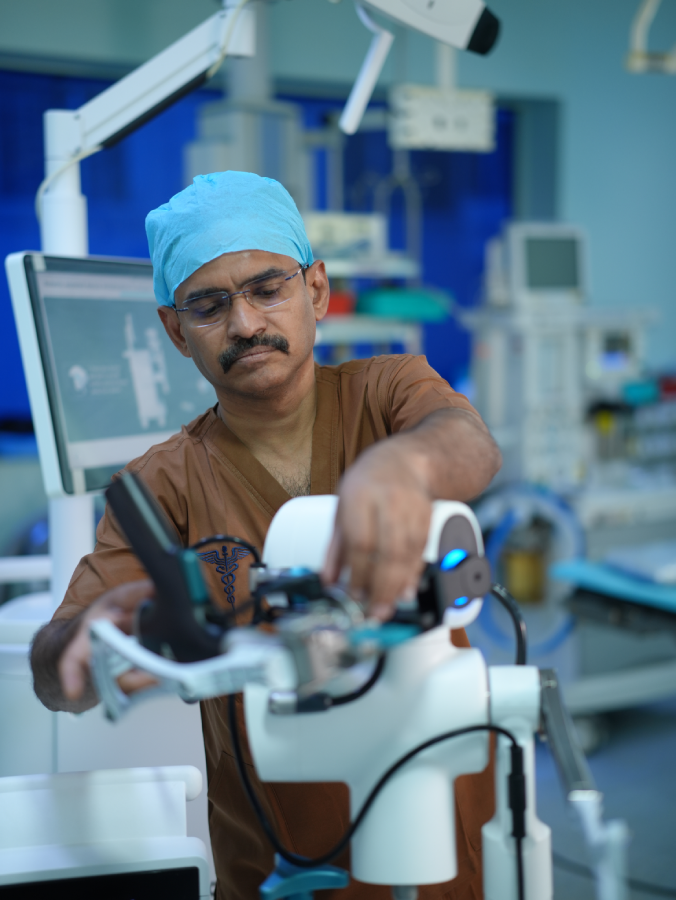
Hip pain that persists despite rest, physiotherapy, or medication may sometimes be caused by a hip labral tear, a condition affecting the cartilage ring that stabilizes the hip joint. Early diagnosis and appropriate treatment can help prevent ongoing joint damage and restore hip function.
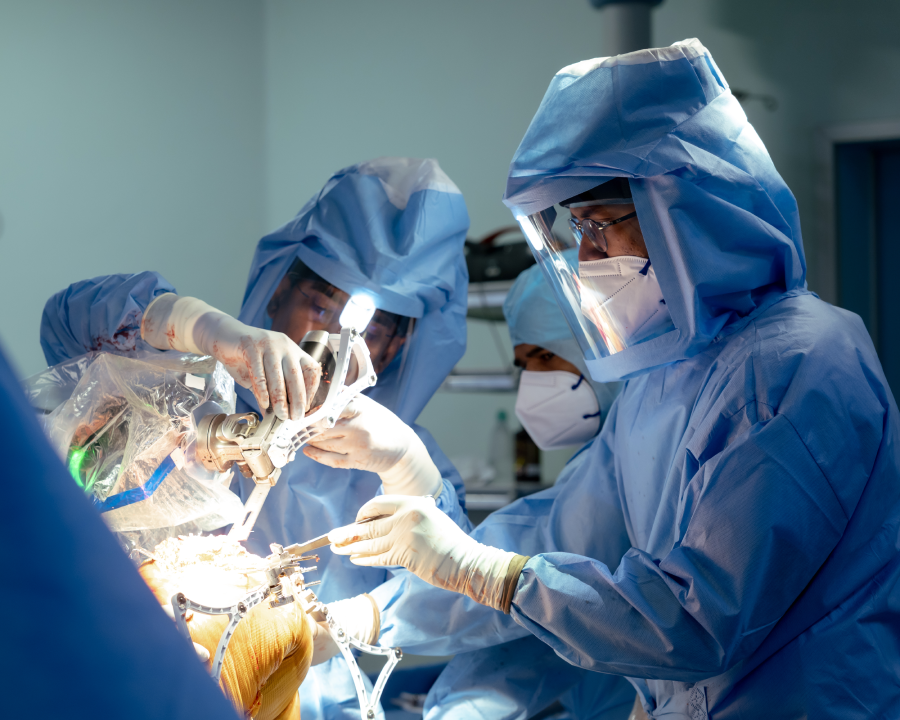
Dr Arumugam provides comprehensive hip labral tear treatment in Chennai, offering both non-surgical care and advanced hip arthroscopy for suitable patients.
Need an expert evaluation for persistent hip pain?
Schedule a consultation with Dr Arumugam to discuss the most appropriate treatment options for your condition.
27+
Years Experience
10,000+
Joint Replacement
1350+
Robotic Surgeries
20,000+
Patients Treated
Why Choose Dr Arumugam for Hip Labral Tear Treatment in Chennai
Patients seeking hip cartilage tear treatment in Chennai often choose Dr Arumugam because of his extensive orthopedic experience and evidence-based approach to joint care.
Highlights include:
- 27+ years of orthopedic surgical experience
- 20,000+ patients treated across diverse orthopedic conditions
- 10,000+ joint replacement procedures performed
- Expertise in advanced arthroscopic and joint preservation techniques
- Faculty participation at national and international orthopedic conferences
- Experience with robotic joint replacement and complex orthopedic procedures
- Individualized treatment planning focused on long-term joint function
Every treatment recommendation is guided by clinical findings, imaging results, patient expectations, and established orthopedic best practices.


Overview of Hip Labral Tear
The hip labrum is a ring of cartilage that surrounds the socket of the hip joint (acetabulum). When this cartilage becomes torn or damaged, patients may experience pain, stiffness, clicking sensations, and reduced mobility.
A hip labral tear can occur gradually due to structural abnormalities or repetitive stress, or suddenly following an injury. Timely hip labral tear treatment is important to prevent worsening symptoms and potential joint degeneration, and early torn hip cartilage treatment helps protect long-term hip function.
Causes and Symptoms of Hip Labral Tear
A hip labral tear may develop after an injury, because of structural problems within the joint, or through gradual wear over time.
Common causes of a hip labral tear include:
- Sports-related injuries
- Hip impingement (femoroacetabular impingement - FAI)
- Hip joint instability
- Repetitive twisting movements
- Degenerative changes within the joint
- Previous hip trauma or dislocation
Symptoms of a torn hip labrum may include:
- Deep pain in the groin or hip region
- Clicking, locking, or catching sensations
- Stiffness during hip movement
- Reduced range of motion
- Discomfort during prolonged sitting or activity
- Feeling of instability within the hip joint



These symptoms may vary depending on the size and location of the tear.
When Should You Seek Treatment for a Hip Labral Tear?
You should consider specialist evaluation if any of the following apply.

Persistent Hip Pain
Hip pain persists for several weeks.

Daily Activities Affected
Symptoms interfere with daily activities or sports.

Limited Relief
Conservative treatment has not provided relief.
Clicking or Locking
You experience recurring clicking or locking sensations.

Hip Instability
Hip instability affects movement confidence.
Early assessment helps identify whether the symptoms are caused by a labral tear, hip impingement, cartilage damage, or another underlying condition.
Diagnosis of Hip Labral Tears
Accurate diagnosis is essential for effective acetabular labral tear treatment.
Assessment typically includes:
- Detailed clinical examination
- Review of symptom history and activity patterns
- Hip-specific movement and stability testing
- X-rays to evaluate bone structure
- MRI or MR arthrogram to assess labral and cartilage injuries
A comprehensive diagnostic approach allows treatment to be tailored to the severity of the injury and individual patient goals.
Concerned about a possible hip labrum injury? Schedule a consultation with Dr Arumugam to discuss the most appropriate treatment options for your condition.
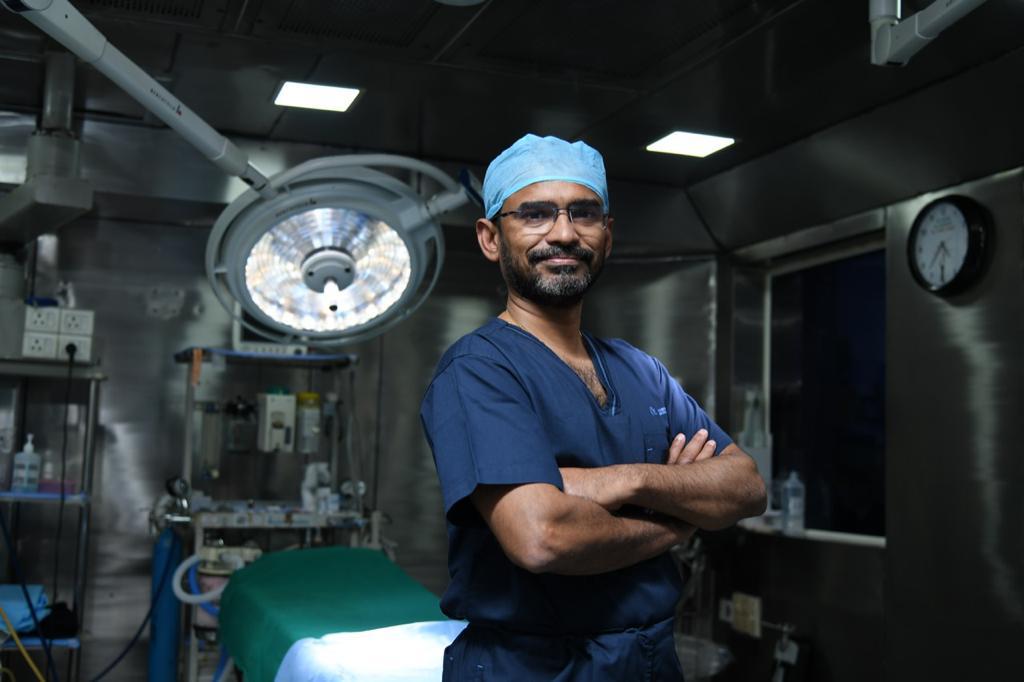
Non-Surgical and Surgical Treatment Options for Hip Labral Tears
The most appropriate labral tear hip treatment depends on the extent of damage, symptom severity, and patient activity level.
- Activity modification
- Anti-inflammatory medication
- Physiotherapy and strengthening exercises
- Hip stabilization programs
- Image-guided injections when appropriate
- Hip arthroscopy for labral tear repair
- Labral reconstruction
- Labral debridement
- Correction of associated hip impingement
- Treatment for hip joint instability
Non-surgical hip labrum injury management is often recommended initially for mild tears and selected degenerative conditions. When symptoms persist despite conservative care, surgery may be considered, with the objective of preserving the labrum whenever possible and restoring normal hip mechanics.
Hip Arthroscopy for Labral Tear Repair
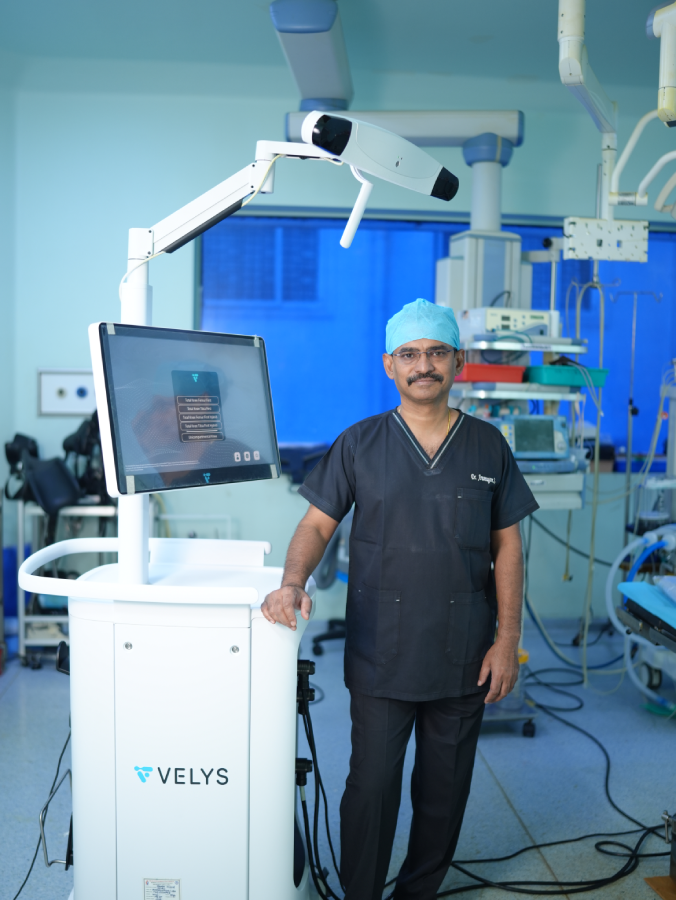
Hip arthroscopy is a minimally invasive procedure used to diagnose and treat labral injuries through small incisions. Dr Arumugam has over 27 years of orthopedic experience and extensive expertise in advanced joint preservation and reconstructive procedures, helping patients receive individualized treatment based on their specific hip condition.
Recovery and Rehabilitation After Treatment
Recovery timelines vary depending on the type of tear and treatment performed.

- Early protected weight-bearing when required
- Guided physiotherapy
- Progressive strengthening exercises
- Return to routine activities over several weeks
- Gradual return to sports and higher-demand activities as advised


Most patients experience progressive improvement when rehabilitation protocols are followed consistently.
Read Hip Labral Tear Treatment FAQs
Frequently Asked Questions
A hip labral tear is damage to the cartilage ring surrounding the hip socket that helps stabilize and protect the joint.
Our Patient
Success Stories

The robotic surgery was painless!
The year 2015 – it was a year perfect for me. I got married. I got an onsite opportunity in the UK for a very large FMCG company. Within 5 months of my marriage, I came to know that I was going to be a father. Like in Will Smith's movie, I was indeed in the little phase of "happiness"
Mr. Ramakrishnan ()
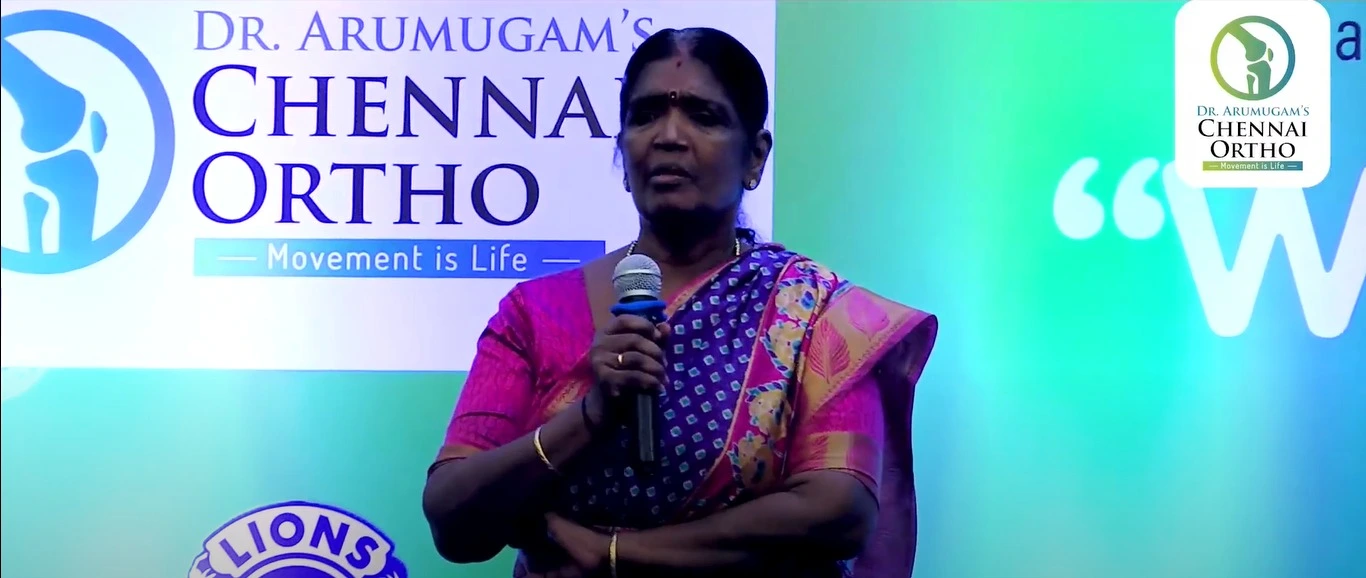
Nothing to worry about!
Thanks to Dr. Arumugam. S, I found freedom from severe knee pain and regained my independence
Mrs. Banumathi ()

Dr. Arumugam. S gave me a new lease on life!
I’m able to do all my work on my own. I have become independent again. Thank you!
Mr. Rajeshwari (65 years old)
Nothing to worry about!
Thanks to Dr. Arumugam. S, I found freedom from severe knee pain and regained my independence
Mrs. Banumathi ()
Dr. Arumugam. S gave me a new lease on life!
I’m able to do all my work on my own. I have become independent again. Thank you!
Mr. Rajeshwari (65 years old)
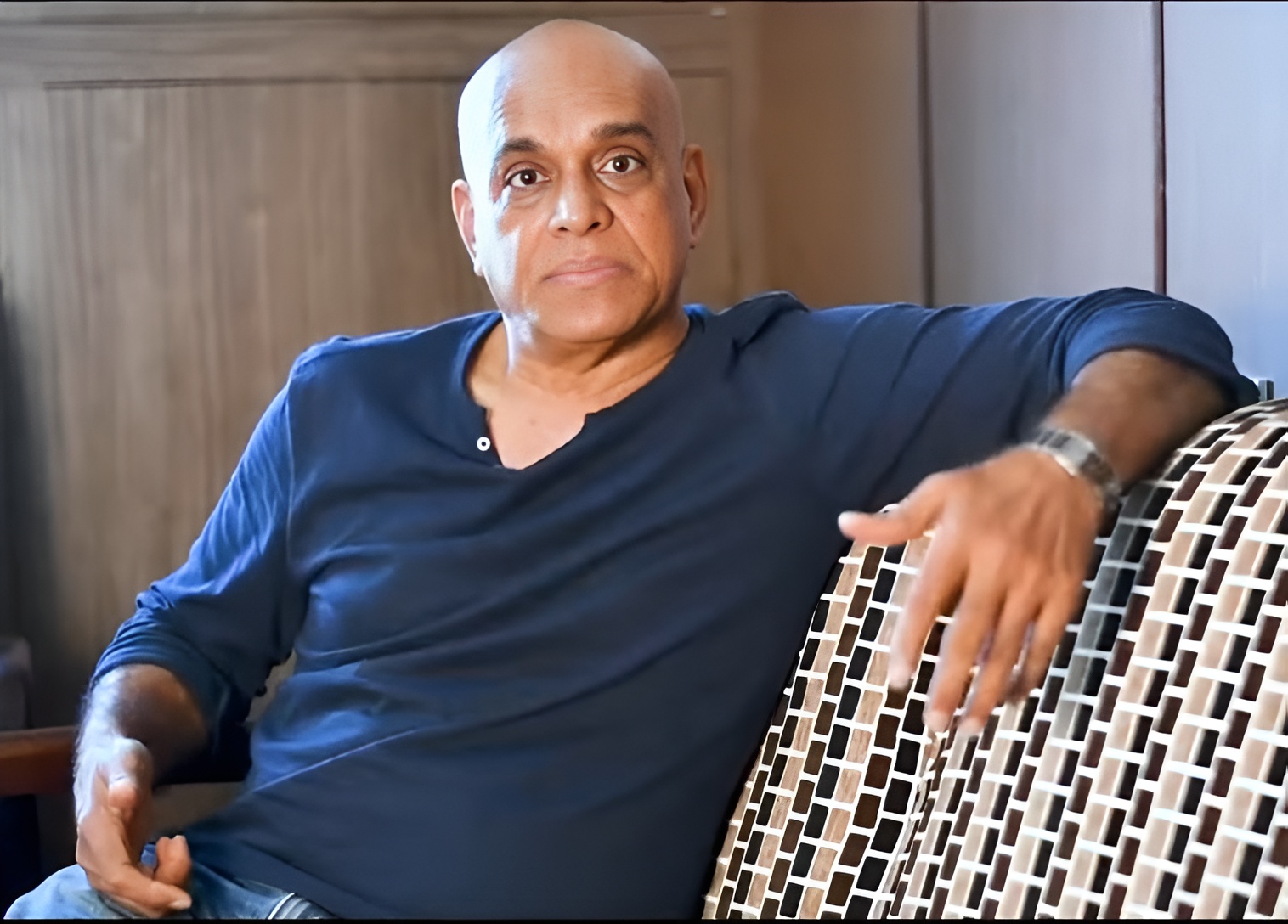
Movement is life, and staying active keeps both the body and mind healthy.
No matter the age, keeping the body in motion through activities like walking or cycling helps maintain strong joints, improves mobility, and keeps us energetic. Regular movement plays a key role in preventing stiffness and supporting a healthier lifestyle.
Mr. Sundar Rajan (Endurance Cyclist)

Staying active is essential to balance a demanding life and maintain overall well-being.
In a high-pressure career, it is important to make time for movement and personal well-being. Staying active not only helps maintain physical fitness but also reduces stress and improves mental clarity. Simple habits like regular movement can make a big difference in sustaining energy, focus, and a healthy lifestyle.
Ms. Jaya Vaidhyanathan (Global Tech Leader)
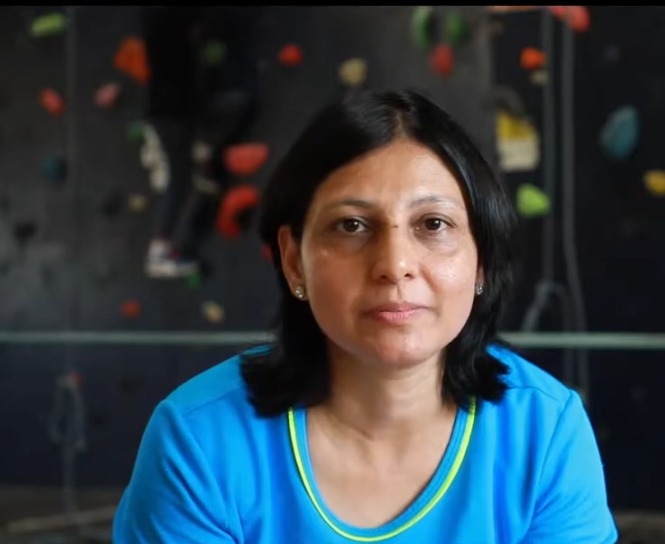
You are stronger than you think, and movement helps you discover that strength.
Through activities like running, trekking, and triathlons, I’ve realized that physical movement not only builds endurance but also strengthens the mind. Pushing your limits helps you grow, stay confident, and maintain both physical and mental fitness. Staying active is a powerful way to unlock your true potential.
Prajakta (Runner, Triathlete and Avid Trekker)
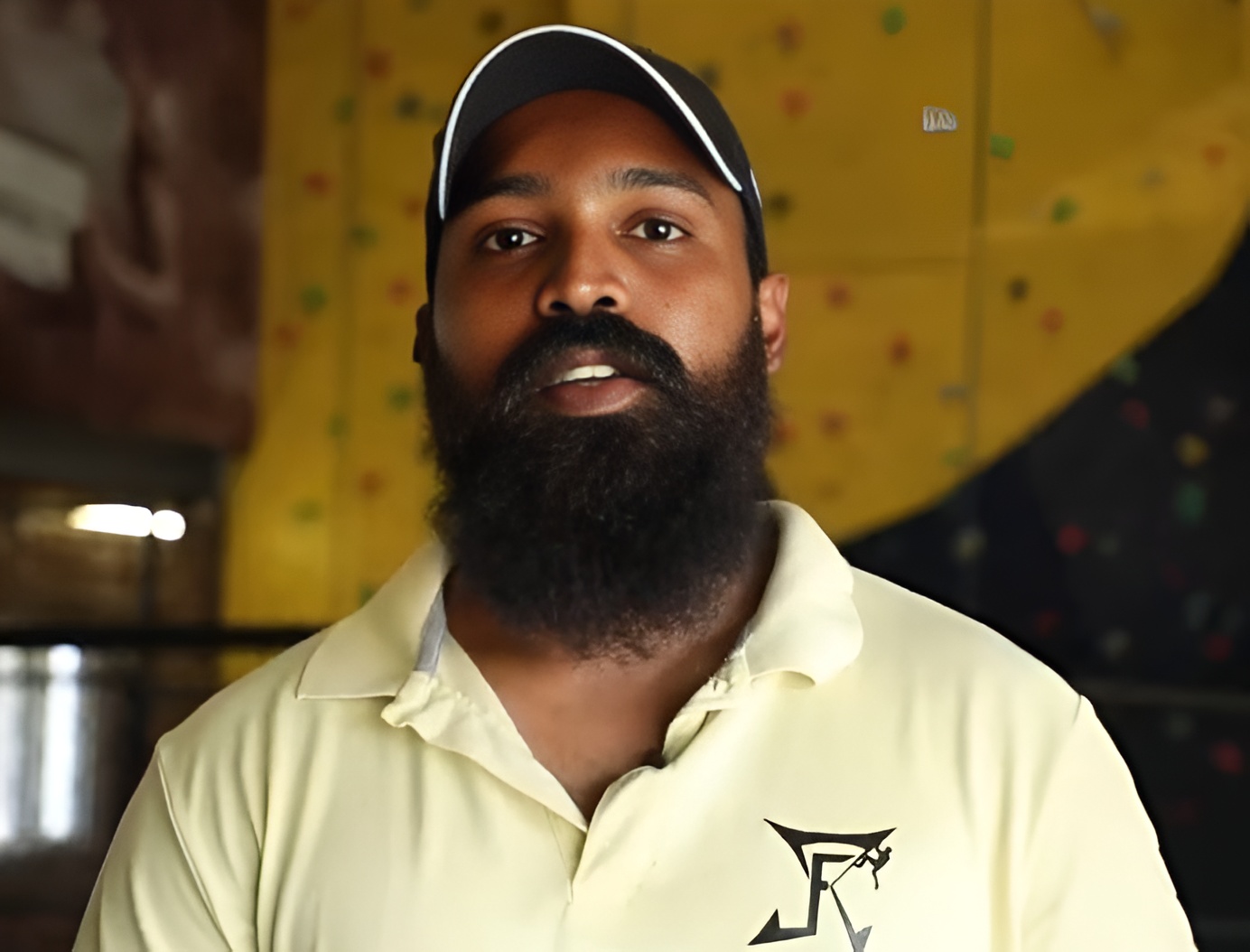
Staying active in any form can transform your life and keep you physically and mentally strong.
Through climbing and other physical activities, I’ve learned that movement builds strength, endurance, and confidence. You don’t need extreme workouts—simple activities like walking, running, or climbing regularly can improve your overall health and keep your body flexible and resilient.
Mr. Praveen (Professional Climbing Instructor)
Recovery is not just about treatment, but also about staying active and nourishing your body right.
After my ACL injury, I realized that proper nutrition combined with consistent movement plays a vital role in recovery. With the right care and support, it is possible to regain strength and return to an active lifestyle. Staying aware of your body and maintaining healthy habits can make a significant difference in long-term wellness.
Ms. Divya Purushotham (Sports Nutritionist)

Even small steps of movement can make a big difference in staying healthy and active.
Through my journey in farming, cycling, and sports, I’ve learned that staying active doesn’t require big changes. Simple daily activities and consistent movement help build endurance, improve health, and bring joy to life. No matter your age or profession, keeping yourself active is the key to a healthier lifestyle.
Senthil Mohan (Farmer, Cyclist and Sports Enthusiast)
Age is never a barrier when it comes to staying active and living a healthy life.
Even after retirement, staying active through simple activities like walking, meditation, and spending time with family helps maintain both physical and mental well-being. Consistent movement keeps the body strong and the mind positive, proving that it’s never too late to adopt a healthy lifestyle.
N. Gomathinayagam (Retired Businessman)
Fitness in life’s second innings keeps you active, motivated, and full of purpose.
Through long-distance cycling and an active lifestyle, I’ve learned that staying fit is important at every stage of life. Even after a professional career, maintaining movement helps build endurance, keeps the mind fresh, and brings a sense of achievement. Age should never stop you from staying active and pursuing what you love.
Mr. Vinay Babu (Ex-Banker, Endurance Cyclist)
Every patient story reflects not just a successful procedure but a return to freedom, confidence, and the ability to live life to the fullest.
Book a Consultation
Persistent hip pain should not be ignored, particularly when accompanied by clicking, instability, or restricted movement. Early diagnosis and timely intervention can help protect joint function and support a smoother recovery.
Schedule a consultation with Dr Arumugam to discuss the most appropriate treatment options for your condition.