Minimally Invasive Hip Replacement Surgery in Chennai
The most suitable surgical approach is determined after a comprehensive evaluation rather than incision size alone.
- Dr. Arumugam. S

Advanced Hip Replacement Through Smaller Incisions
When hip arthritis or joint damage begins to interfere with movement and daily function, surgery may become the most effective treatment option. Minimally invasive hip replacement surgery is an advanced approach that replaces the damaged hip joint through smaller incisions while minimizing disruption to surrounding muscles and soft tissues.
For suitable patients, this minimally invasive joint replacement procedure may support a smoother early recovery while achieving the same objective as conventional hip replacement, restoring joint function and reducing arthritis-related symptoms.
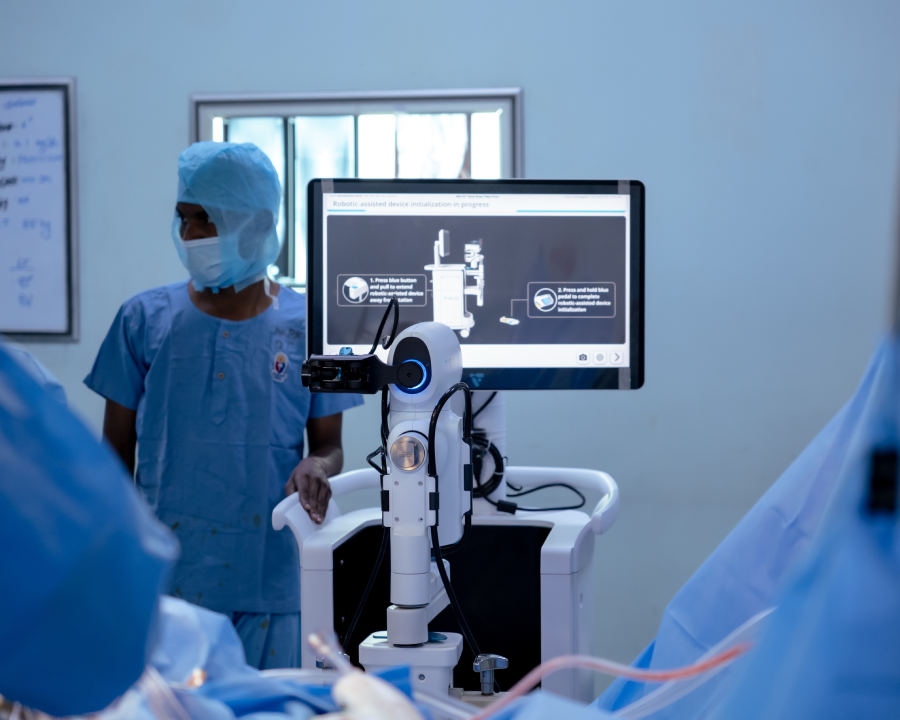
With more than 27 years of orthopedic experience, Dr Arumugam has performed 10,000+ joint replacement procedures and treated over 20,000+ patients, providing advanced surgical care for patients across India and internationally.
Book a Consultation with Dr Arumugam
27+
Years Experience
10,000+
Joint Replacement
1350+
Robotic Surgeries
20,000+
Patients Treated
Why Choose Dr Arumugam for Minimally Invasive Hip Replacement in Chennai?
Patients seeking a hip replacement specialist in Chennai often look for extensive surgical experience combined with a personalized treatment approach.
Reasons patients choose Dr Arumugam include:
- More than 27 years of orthopedic experience
- 10,000+ joint replacement procedures completed
- Expertise in advanced minimally invasive orthopedic surgery and robotic-assisted joint replacement
- Comprehensive preoperative assessment and planning
- Evidence-based treatment recommendations
- Structured rehabilitation guidance
- Focus on long-term joint function and patient outcomes
Treatment plans are tailored to each patient's condition and recovery goals.


Overview of Minimally Invasive Hip Replacement
Minimally invasive hip replacement surgery is a specialized procedure used to treat severe hip arthritis and advanced joint damage. The surgery involves removing damaged portions of the hip joint and replacing them with artificial components designed to restore stability, movement, and function.
Unlike traditional approaches, minimally invasive hip surgery uses smaller incisions and techniques designed to preserve surrounding muscles and soft tissues while maintaining accurate implant placement.
The objectives of minimally invasive hip surgery include:
- Replacement of the damaged hip joint through smaller incisions
- Preservation of surrounding muscles and soft tissues
- Accurate implant placement and alignment
- Restoration of joint stability and movement
- Relief from arthritis-related symptoms
The objective remains the same as conventional hip replacement, achieved through a less disruptive surgical approach.
Who May Need Minimally Invasive Hip Replacement?
A detailed orthopedic evaluation helps determine whether less invasive hip replacement is appropriate for a patient.
Common conditions that may require surgery include:
- Advanced hip osteoarthritis
- Rheumatoid arthritis affecting the hip
- Avascular necrosis of the femoral head
- Post-traumatic arthritis
- Hip joint damage following injury or fracture
- Progressive cartilage loss
- Hip pain that has not responded adequately to medications, physiotherapy, or injections






Not every patient is a candidate for small incision hip replacement surgery. Treatment recommendations depend on anatomy, bone quality, overall health, and the extent of joint damage.
Orthopedic Expertise You Can Trust
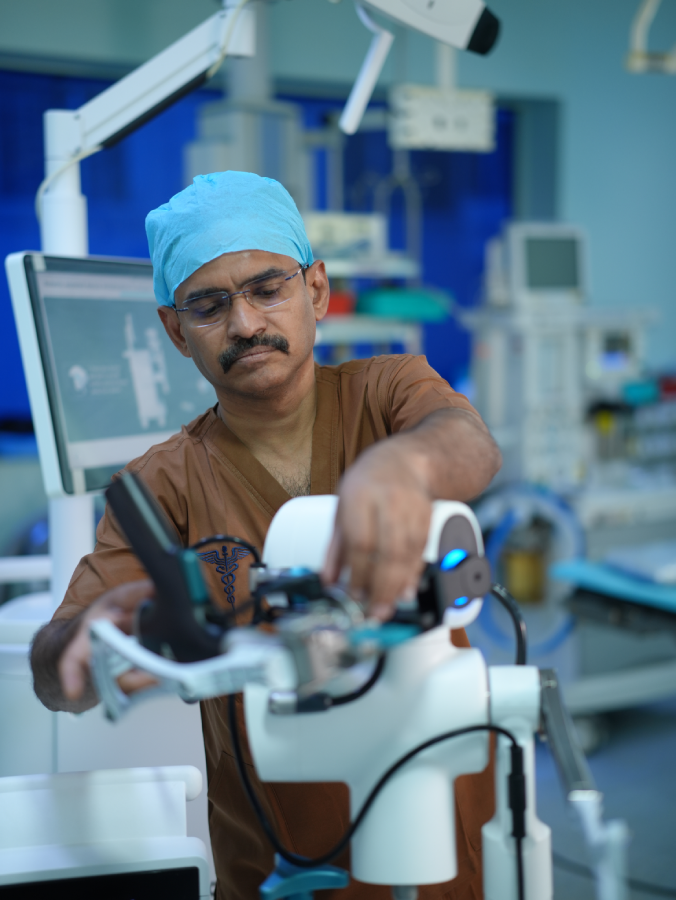
Dr Arumugam's orthopedic practice is built on extensive clinical and surgical experience.

27+ Years of Practice
More than 27 years of orthopedic surgical practice across a wide range of joint conditions.

10,000+ Joint Replacements
Joint replacement procedures performed, including complex and revision cases.

1,350+ Robotic Surgeries
Robotic knee replacement surgeries completed using advanced surgical platforms.
20,000+ Patients Treated
Treatment of over 20,000 patients from across India and internationally.
Advanced Reconstruction
Expertise in robotic joint replacement and advanced reconstruction procedures.
Conference Faculty
Faculty participation at national and international orthopedic conferences.
Treatment plans are tailored to each patient's condition and recovery goals.
Benefits of Minimally Invasive Hip Replacement Surgery
For appropriately selected patients, minimally invasive hip replacement surgery may offer several potential advantages.
Potential benefits include:
- Smaller surgical incisions
- Reduced disruption of muscles and soft tissues
- Lower blood loss during surgery
- Reduced postoperative discomfort
- Shorter hospital stay in many cases
- Earlier rehabilitation milestones
- Potentially faster recovery after hip replacement
Outcomes depend on patient health, surgical planning, and rehabilitation.
Book a Consultation with Dr Arumugam
How Minimally Invasive Hip Replacement Is Performed
The procedure is usually performed under spinal or general anesthesia. The surgical steps generally include:
Minimally Invasive vs Traditional Hip Replacement
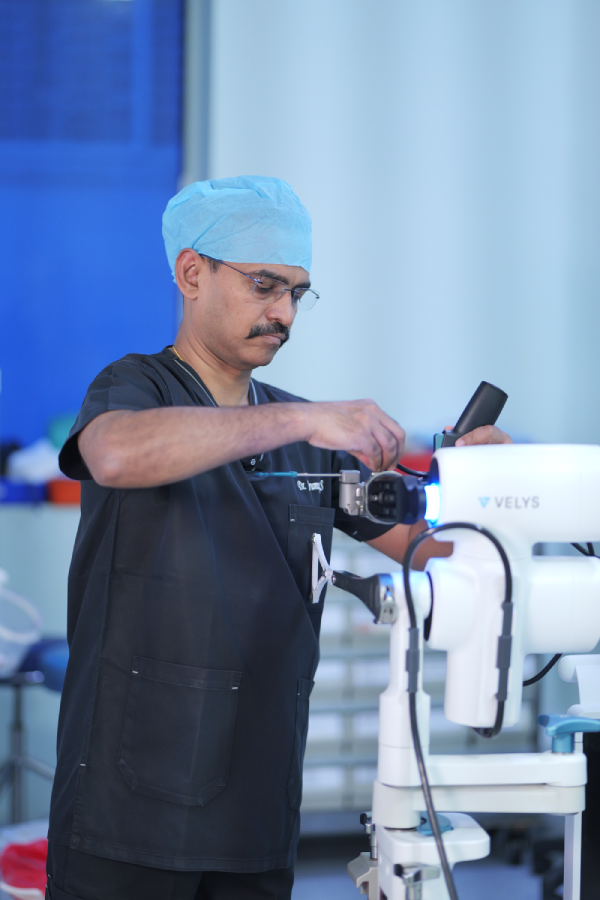
Dr Arumugam's expertise in advanced joint replacement procedures and robotic-assisted orthopedic surgery supports meticulous surgical planning and precise execution throughout the procedure.
| Feature | Minimally Invasive Hip Replacement | Traditional Hip Replacement |
|---|---|---|
| Incision Size | Smaller incision | Larger incision |
| Soft Tissue Exposure | Reduced | More extensive |
| Muscle Preservation | Greater emphasis on preservation | Variable |
| Early Recovery | Often quicker in suitable patients | Standard recovery timeline |
| Surgical Goal | Joint restoration and symptom relief | Joint restoration and symptom relief |
The most suitable surgical approach is determined after a comprehensive evaluation rather than incision size alone.
Recovery After Minimally Invasive Hip Replacement
Recovery is guided by the orthopedic and rehabilitation team, with activity progressed safely as healing allows.

- Early supervised mobilization
- Physiotherapy-guided rehabilitation
- Gradual improvement in strength and mobility
- Progressive return to routine activities


Many patients undergoing muscle sparing hip replacement reach rehabilitation milestones earlier, although recovery timelines vary between individuals.
Risks and Expected Outcomes
As with any hip replacement procedure, minimally invasive hip replacement surgery involves some risks, although serious complications are uncommon when performed by an experienced orthopedic surgeon.
- Infection
- Blood clots
- Implant wear or loosening over time
- Hip joint instability or dislocation
- Temporary nerve irritation
- Mild differences in leg length
- Stiffness during the recovery period
- Improved hip movement
- Greater day-to-day comfort
- Better function during routine activities
Most patients experience significant improvement in hip movement, comfort, and day-to-day function after surgery.
Read Minimally Invasive Hip Replacement FAQs
Frequently Asked Questions
It is a hip replacement procedure performed through smaller incisions using techniques designed to reduce soft tissue disruption while replacing the damaged hip joint.
Our Patient
Success Stories

The robotic surgery was painless!
The year 2015 – it was a year perfect for me. I got married. I got an onsite opportunity in the UK for a very large FMCG company. Within 5 months of my marriage, I came to know that I was going to be a father. Like in Will Smith's movie, I was indeed in the little phase of "happiness"
Mr. Ramakrishnan ()
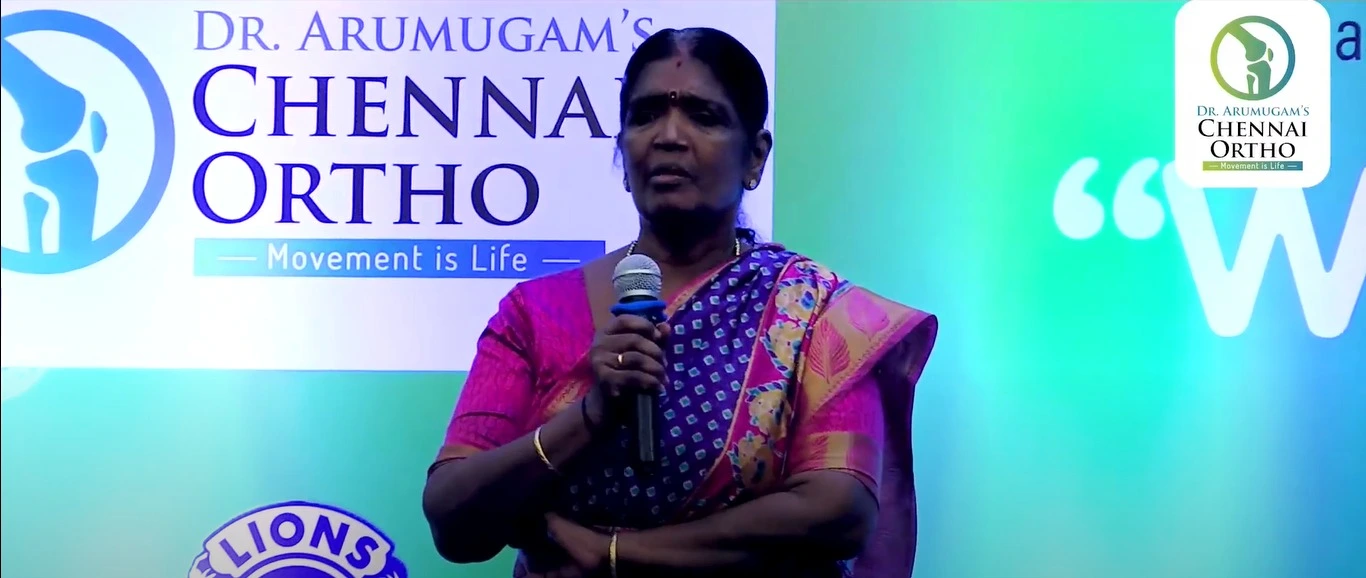
Nothing to worry about!
Thanks to Dr. Arumugam. S, I found freedom from severe knee pain and regained my independence
Mrs. Banumathi ()

Dr. Arumugam. S gave me a new lease on life!
I’m able to do all my work on my own. I have become independent again. Thank you!
Mr. Rajeshwari (65 years old)
Nothing to worry about!
Thanks to Dr. Arumugam. S, I found freedom from severe knee pain and regained my independence
Mrs. Banumathi ()
Dr. Arumugam. S gave me a new lease on life!
I’m able to do all my work on my own. I have become independent again. Thank you!
Mr. Rajeshwari (65 years old)
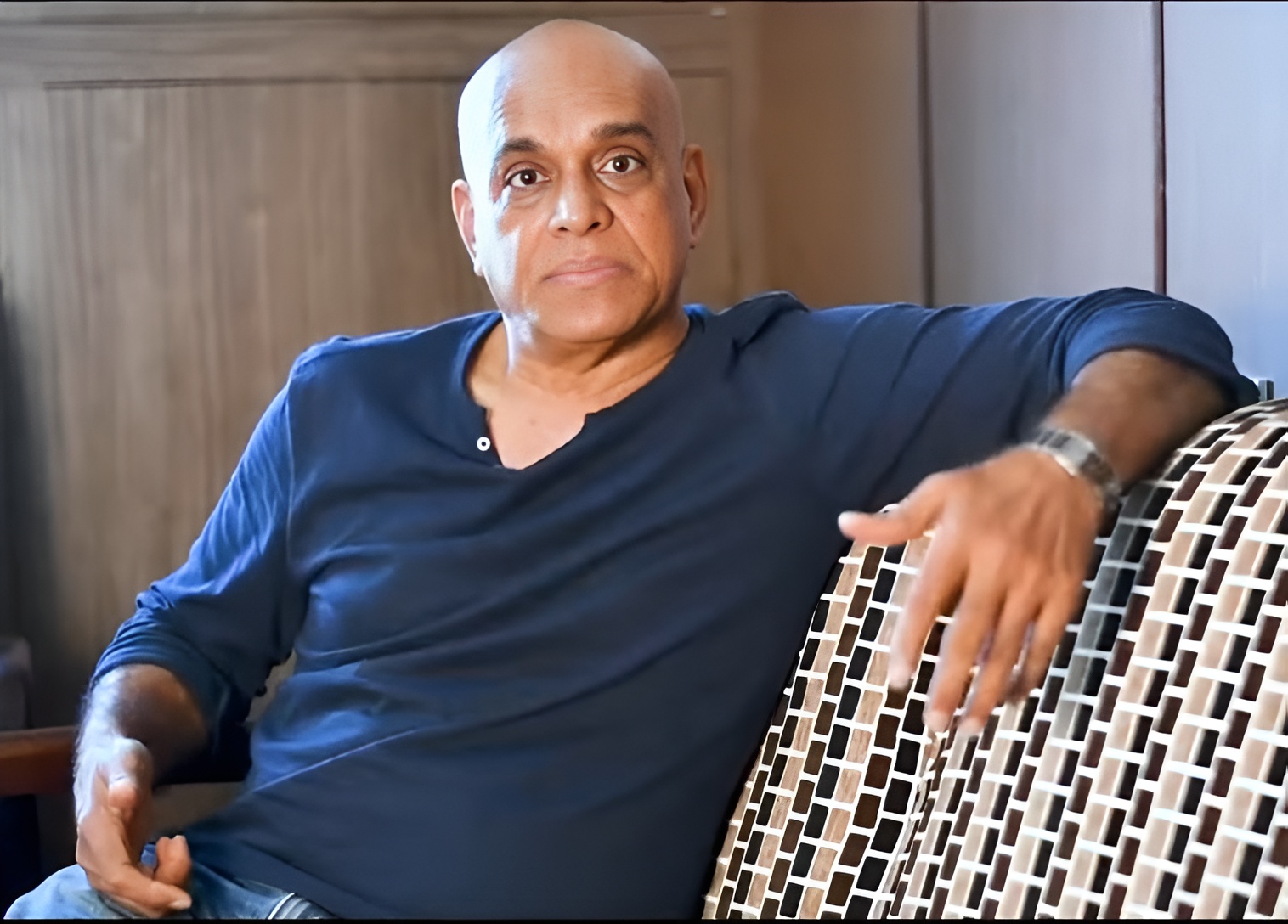
Movement is life, and staying active keeps both the body and mind healthy.
No matter the age, keeping the body in motion through activities like walking or cycling helps maintain strong joints, improves mobility, and keeps us energetic. Regular movement plays a key role in preventing stiffness and supporting a healthier lifestyle.
Mr. Sundar Rajan (Endurance Cyclist)

Staying active is essential to balance a demanding life and maintain overall well-being.
In a high-pressure career, it is important to make time for movement and personal well-being. Staying active not only helps maintain physical fitness but also reduces stress and improves mental clarity. Simple habits like regular movement can make a big difference in sustaining energy, focus, and a healthy lifestyle.
Ms. Jaya Vaidhyanathan (Global Tech Leader)

You are stronger than you think, and movement helps you discover that strength.
Through activities like running, trekking, and triathlons, I’ve realized that physical movement not only builds endurance but also strengthens the mind. Pushing your limits helps you grow, stay confident, and maintain both physical and mental fitness. Staying active is a powerful way to unlock your true potential.
Prajakta (Runner, Triathlete and Avid Trekker)

Staying active in any form can transform your life and keep you physically and mentally strong.
Through climbing and other physical activities, I’ve learned that movement builds strength, endurance, and confidence. You don’t need extreme workouts—simple activities like walking, running, or climbing regularly can improve your overall health and keep your body flexible and resilient.
Mr. Praveen (Professional Climbing Instructor)

Recovery is not just about treatment, but also about staying active and nourishing your body right.
After my ACL injury, I realized that proper nutrition combined with consistent movement plays a vital role in recovery. With the right care and support, it is possible to regain strength and return to an active lifestyle. Staying aware of your body and maintaining healthy habits can make a significant difference in long-term wellness.
Ms. Divya Purushotham (Sports Nutritionist)

Even small steps of movement can make a big difference in staying healthy and active.
Through my journey in farming, cycling, and sports, I’ve learned that staying active doesn’t require big changes. Simple daily activities and consistent movement help build endurance, improve health, and bring joy to life. No matter your age or profession, keeping yourself active is the key to a healthier lifestyle.
Senthil Mohan (Farmer, Cyclist and Sports Enthusiast)
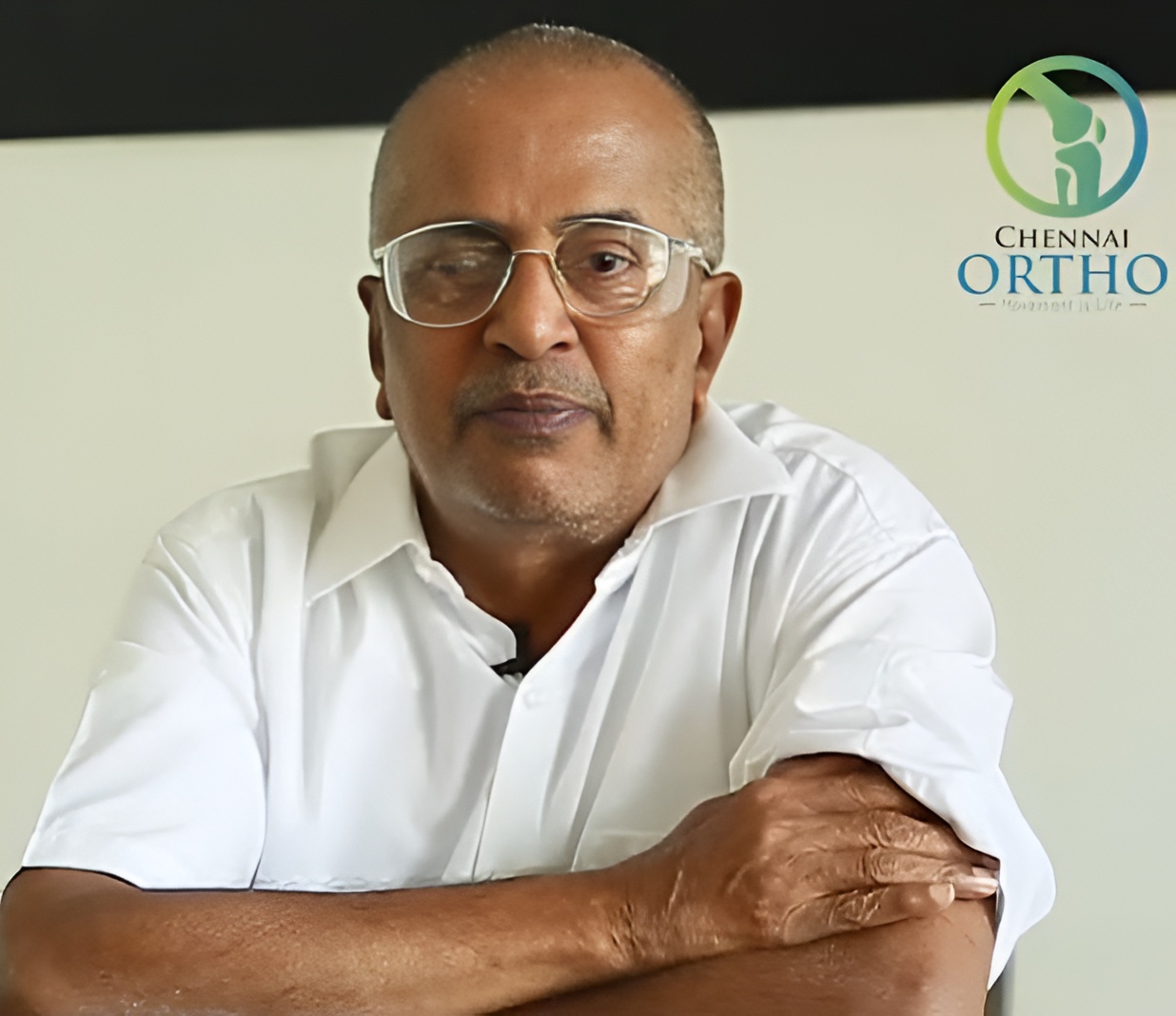
Age is never a barrier when it comes to staying active and living a healthy life.
Even after retirement, staying active through simple activities like walking, meditation, and spending time with family helps maintain both physical and mental well-being. Consistent movement keeps the body strong and the mind positive, proving that it’s never too late to adopt a healthy lifestyle.
N. Gomathinayagam (Retired Businessman)
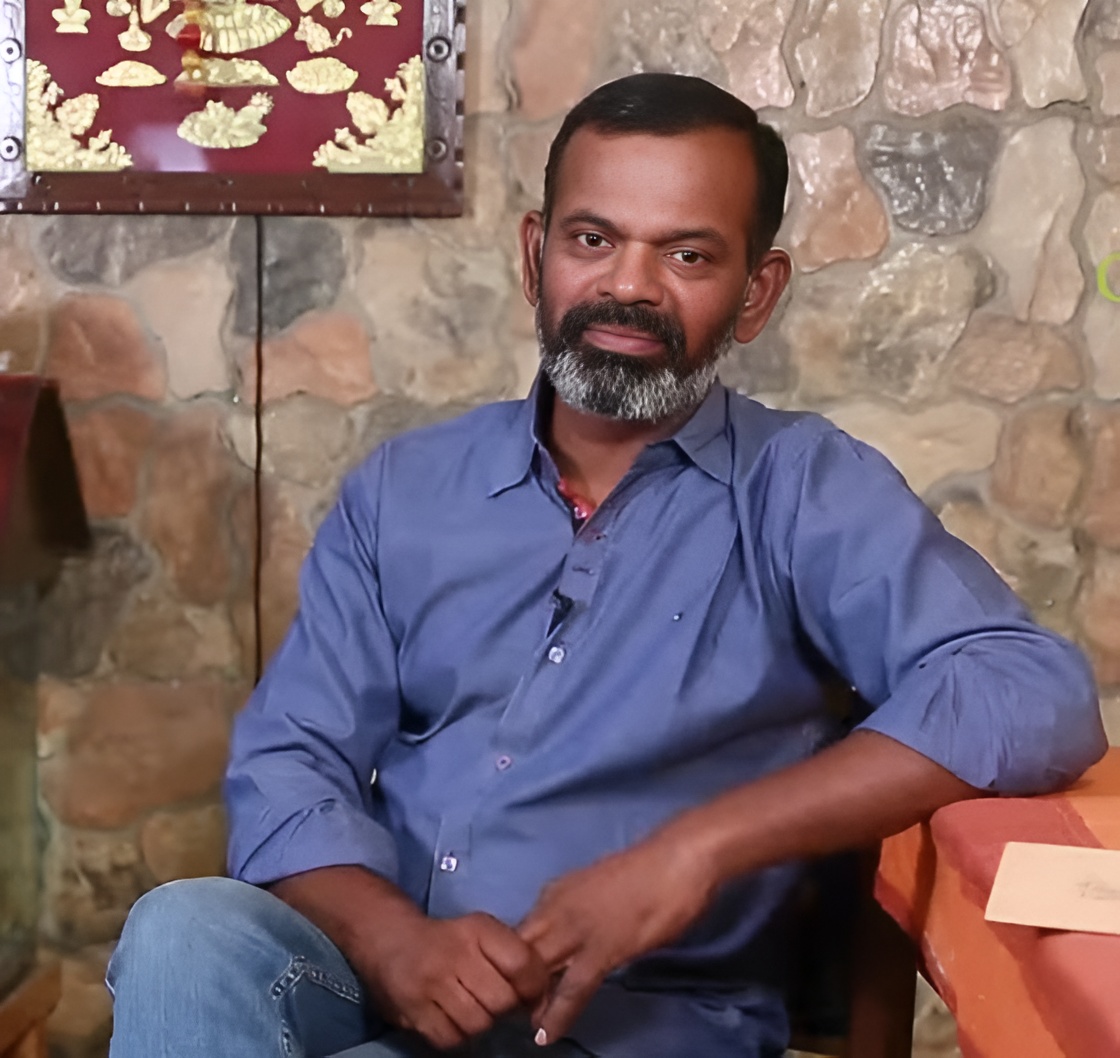
Fitness in life’s second innings keeps you active, motivated, and full of purpose.
Through long-distance cycling and an active lifestyle, I’ve learned that staying fit is important at every stage of life. Even after a professional career, maintaining movement helps build endurance, keeps the mind fresh, and brings a sense of achievement. Age should never stop you from staying active and pursuing what you love.
Mr. Vinay Babu (Ex-Banker, Endurance Cyclist)
Every patient story reflects not just a successful procedure but a return to freedom, confidence, and the ability to live life to the fullest.
Consult Dr Arumugam for Minimally Invasive Hip Replacement in Chennai
If hip arthritis, joint degeneration, or hip damage is affecting your mobility and function, a comprehensive orthopedic assessment can help determine whether minimally invasive hip replacement surgery is the most appropriate treatment option.
Dr Arumugam provides comprehensive evaluation, surgical planning, and postoperative care tailored to each patient.
Book a Consultation with Dr Arumugam