Bow Legs (Varus) Correction Treatment in Chennai
Restoring proper alignment protects the knee from years of uneven wear.
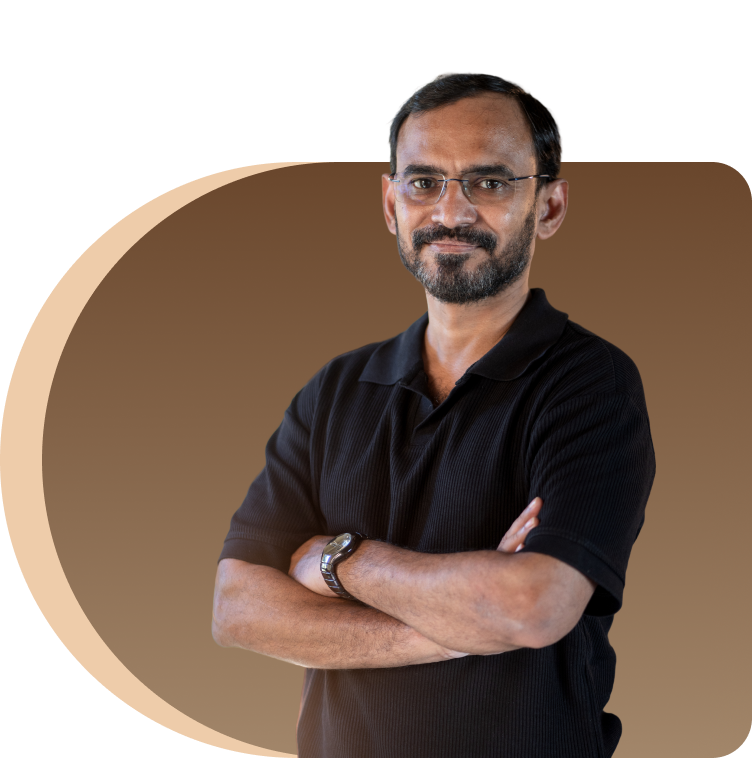
- Dr. Arumugam. S

Bow Legs (Varus) Correction Treatment in Chennai
Restore Proper Leg Alignment with Specialist-Led Bow Legs Correction
Bow legs, medically known as genu varum, is a condition where the knees remain apart when the feet and ankles are together, creating an outward curvature of the legs. While mild bowing can be normal during childhood, persistent or progressive deformity in adolescents and adults may lead to uneven joint loading, knee pain, instability, and accelerated joint wear.
Dr Arumugam offers comprehensive evaluation and bow legs correction in Chennai, combining advanced imaging, precise deformity assessment, and individualized treatment plans to restore alignment and protect long-term joint health.
Schedule a consultation with Dr Arumugam to discuss your leg alignment concerns and treatment options.
27+
Years Experience
8000+
Joint Replacement
1000+
Robotic Surgeries
20,000+
Patients Treated
Why Choose Dr Arumugam for Bow Legs Correction in Chennai?
Patients seeking bow legs correction in Chennai often choose Dr Arumugam because of his extensive experience in complex lower-limb reconstruction and alignment correction.
Highlights include:
- 27+ years of orthopedic practice
- 20,000+ patients treated
- 8,000+ joint replacement surgeries performed
- 1,000+ robotic knee surgeries completed
- Faculty participation at national and international orthopedic conferences
- Expertise in robotic joint replacement and advanced knee preservation procedures
- Personalized treatment planning based on precise alignment analysis
Every treatment plan is developed after a comprehensive assessment of deformity, joint health, lifestyle requirements, and long-term orthopedic goals.


Overview of Bow Legs (Genu Varum)
Bow legs (genu varum) is a varus deformity in which the mechanical axis of the lower limb shifts inward, placing increased stress on the inner compartment of the knee. Over time, this abnormal loading pattern can contribute to cartilage damage, meniscal degeneration, and early osteoarthritis.
Patients seeking genu varum treatment or leg alignment correction treatment often present with visible leg deformity, knee discomfort, progressive imbalance, or uneven joint wear identified on imaging.
When Is Bow Legs Correction Recommended?
Bow leg correction surgery or corrective treatment may be recommended when:
Correction may be advised if:
- The deformity is progressive
- Knee pain affects daily function
- Significant limb malalignment is present
- Uneven joint wear is identified
- Conservative treatment has not provided relief
- Early arthritis is developing due to abnormal alignment

Not every patient requires surgery. Treatment recommendations depend on age, severity, symptoms, and underlying cause.
Non-Surgical and Surgical Treatment Options for Bow Legs
Mild cases may be managed with non-surgical measures such as activity modification, physiotherapy, strengthening exercises, weight management, and supportive bracing in selected cases. While these may reduce symptoms, they generally do not correct established adult deformity. For significant deformity, the following surgical procedures may be recommended:

High Tibial Osteotomy (HTO)

Distal Femoral Osteotomy
Corrective Osteotomy with Fixation Plates

Joint Preservation Procedures
Joint Replacement (for coexisting arthritis)
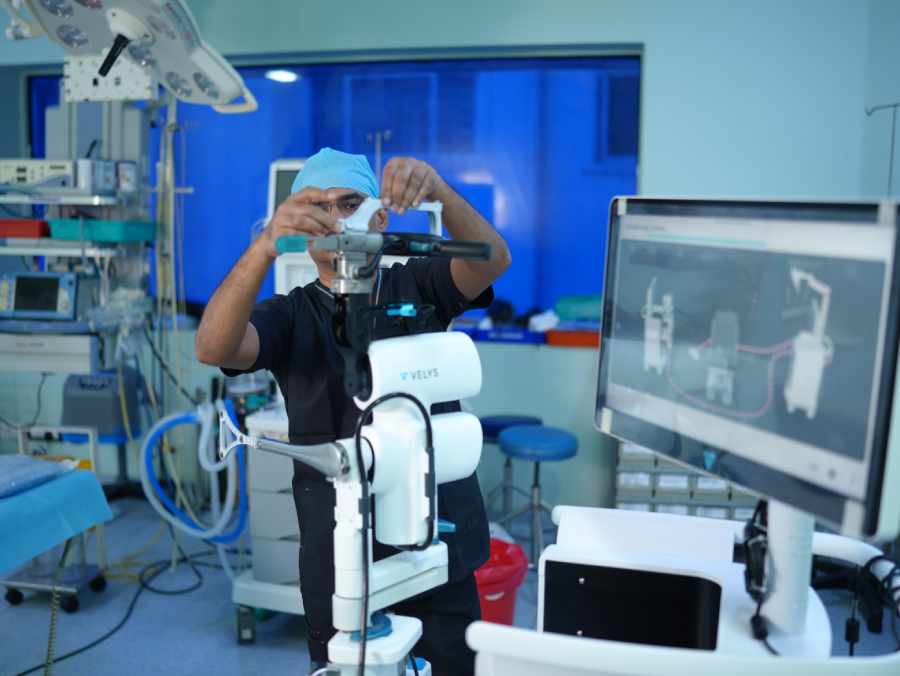
The goal of corrective surgery for bow legs is to restore proper alignment, redistribute joint forces, and reduce abnormal stress on the knee. With over 27 years of orthopedic experience, Dr Arumugam has performed 8,000+ joint replacement procedures and is recognized for expertise in advanced knee reconstruction and robotic-assisted orthopedic procedures.
Recovery After Bow Legs Correction Treatment
Recovery timelines vary depending on the procedure performed and the severity of deformity.
Most patients can expect:
- Early mobilization under supervision
- Structured physiotherapy
- Progressive weight-bearing as advised
- Regular follow-up imaging
- Gradual return to routine activities
Bone healing and alignment correction typically continue over several months. Adherence to rehabilitation protocols plays an important role in achieving optimal outcomes following bowed legs treatment.
Book a specialist assessment to understand the severity of your bow legs deformity and available treatment options.
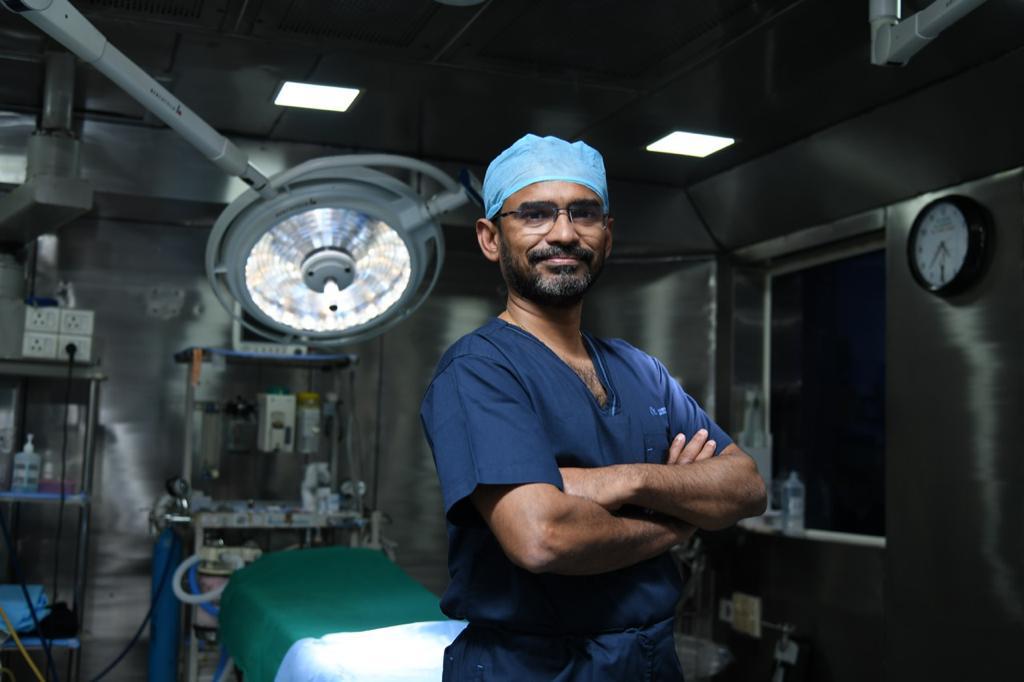
Diagnosis of Varus Knee Deformity
Accurate diagnosis is essential before planning genu varum correction. Evaluation typically includes:
Causes and Symptoms of Bow Legs Deformity
Bow legs may develop from several underlying conditions and can present with a range of symptoms.

- Previous growth plate abnormalities
- Untreated childhood genu varum
- Blount's disease
- Rickets and metabolic bone disorders
- Previous fractures with malunion
- Degenerative knee arthritis
- Congenital skeletal abnormalities


- Visible outward bowing of the legs
- Uneven knee loading
- Medial (inner) knee pain
- Progressive knee arthritis
- Altered gait pattern
- Joint instability or fatigue during prolonged standing
Early assessment helps determine whether varus deformity treatment is required to prevent further joint damage.
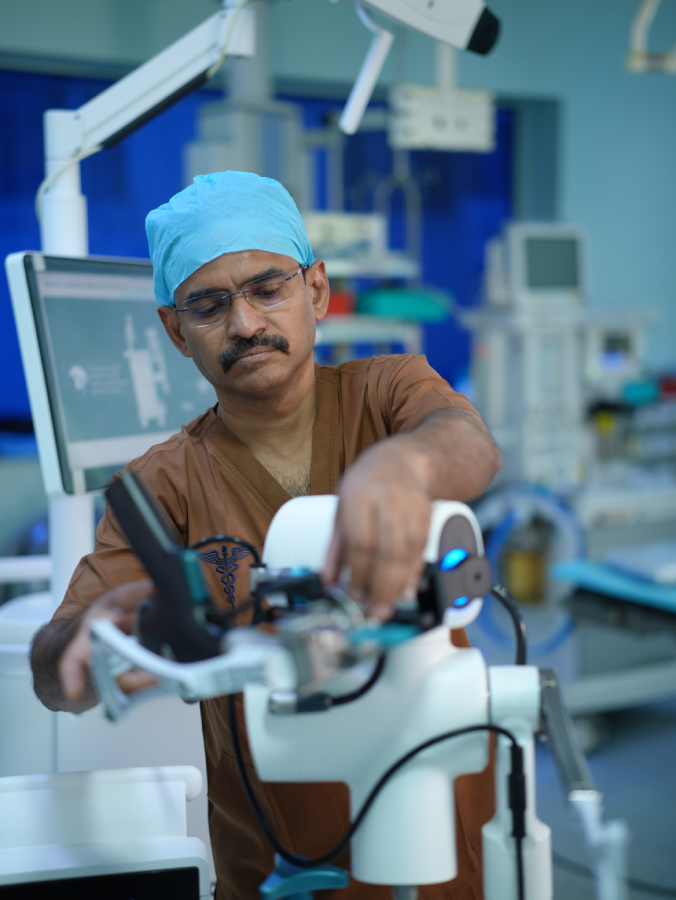
Risks and Expected Outcomes
As with any orthopedic procedure, varus correction treatment carries potential risks. Careful surgical planning and post-operative monitoring help minimize these risks.
- Infection
- Delayed bone healing
- Blood clots
- Residual deformity
- Hardware-related irritation
- Stiffness
- Improved lower-limb alignment
- Better load distribution across the knee
- Reduced progression of joint degeneration
- Improved functional stability
- Enhanced long-term joint preservation
Most appropriately selected patients experience meaningful improvement in alignment, comfort, and long-term joint health.
Read Bow Legs Correction FAQs
Frequently Asked Questions
Bow legs, or genu varum, is a condition where the legs curve outward, causing a gap between the knees when the feet are together.
Our Patient
Success Stories

The robotic surgery was painless!
The year 2015 – it was a year perfect for me. I got married. I got an onsite opportunity in the UK for a very large FMCG company. Within 5 months of my marriage, I came to know that I was going to be a father. Like in Will Smith's movie, I was indeed in the little phase of "happiness"
Mr. Ramakrishnan ()
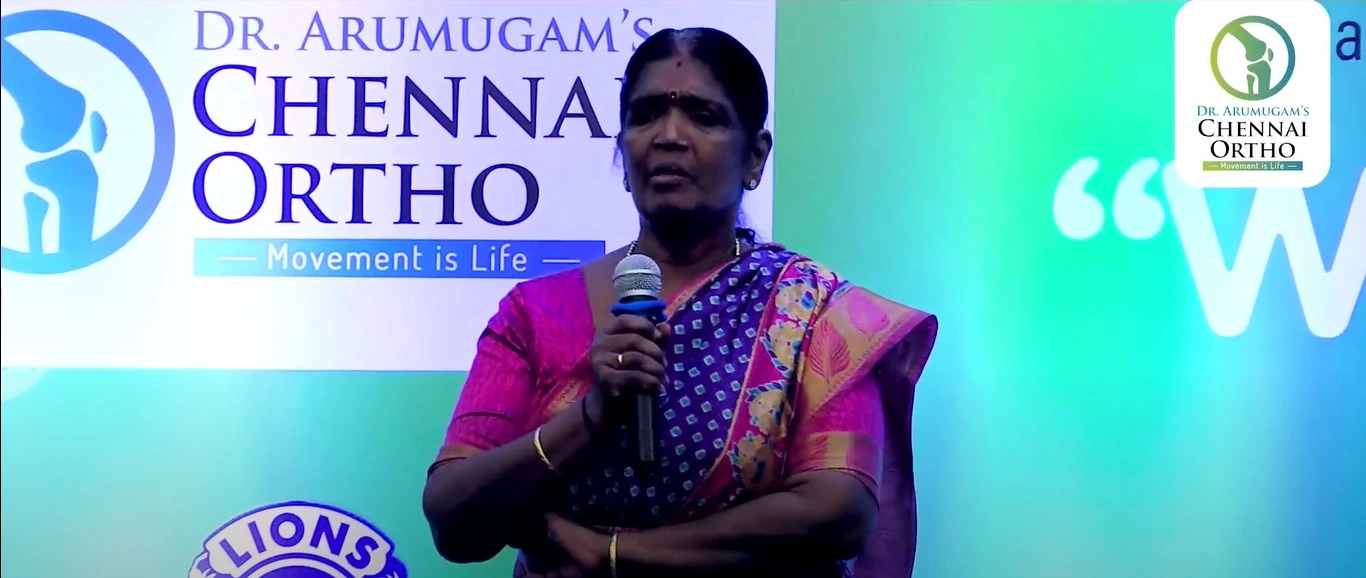
Nothing to worry about!
Thanks to Dr. Arumugam. S, I found freedom from severe knee pain and regained my independence
Mrs. Banumathi ()

Dr. Arumugam. S gave me a new lease on life!
I’m able to do all my work on my own. I have become independent again. Thank you!
Mr. Rajeshwari (65 years old)
Nothing to worry about!
Thanks to Dr. Arumugam. S, I found freedom from severe knee pain and regained my independence
Mrs. Banumathi ()
Dr. Arumugam. S gave me a new lease on life!
I’m able to do all my work on my own. I have become independent again. Thank you!
Mr. Rajeshwari (65 years old)
Movement is life, and staying active keeps both the body and mind healthy.
No matter the age, keeping the body in motion through activities like walking or cycling helps maintain strong joints, improves mobility, and keeps us energetic. Regular movement plays a key role in preventing stiffness and supporting a healthier lifestyle.
Mr. Sundar Rajan (Endurance Cyclist)

Staying active is essential to balance a demanding life and maintain overall well-being.
In a high-pressure career, it is important to make time for movement and personal well-being. Staying active not only helps maintain physical fitness but also reduces stress and improves mental clarity. Simple habits like regular movement can make a big difference in sustaining energy, focus, and a healthy lifestyle.
Ms. Jaya Vaidhyanathan (Global Tech Leader)
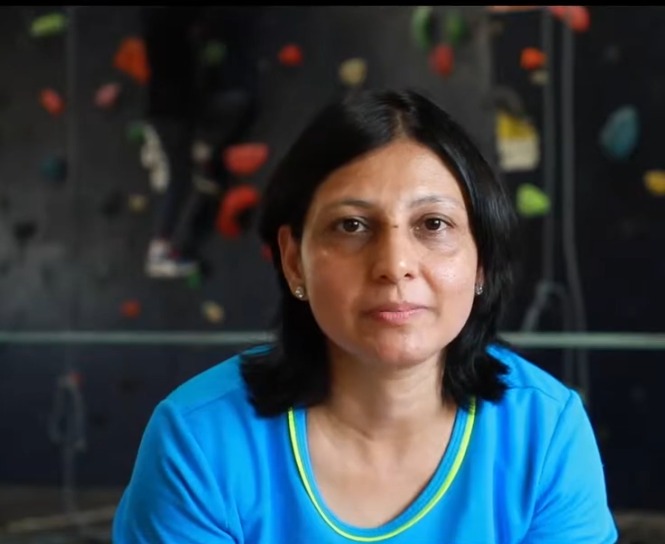
You are stronger than you think, and movement helps you discover that strength.
Through activities like running, trekking, and triathlons, I’ve realized that physical movement not only builds endurance but also strengthens the mind. Pushing your limits helps you grow, stay confident, and maintain both physical and mental fitness. Staying active is a powerful way to unlock your true potential.
Prajakta (Runner, Triathlete and Avid Trekker)
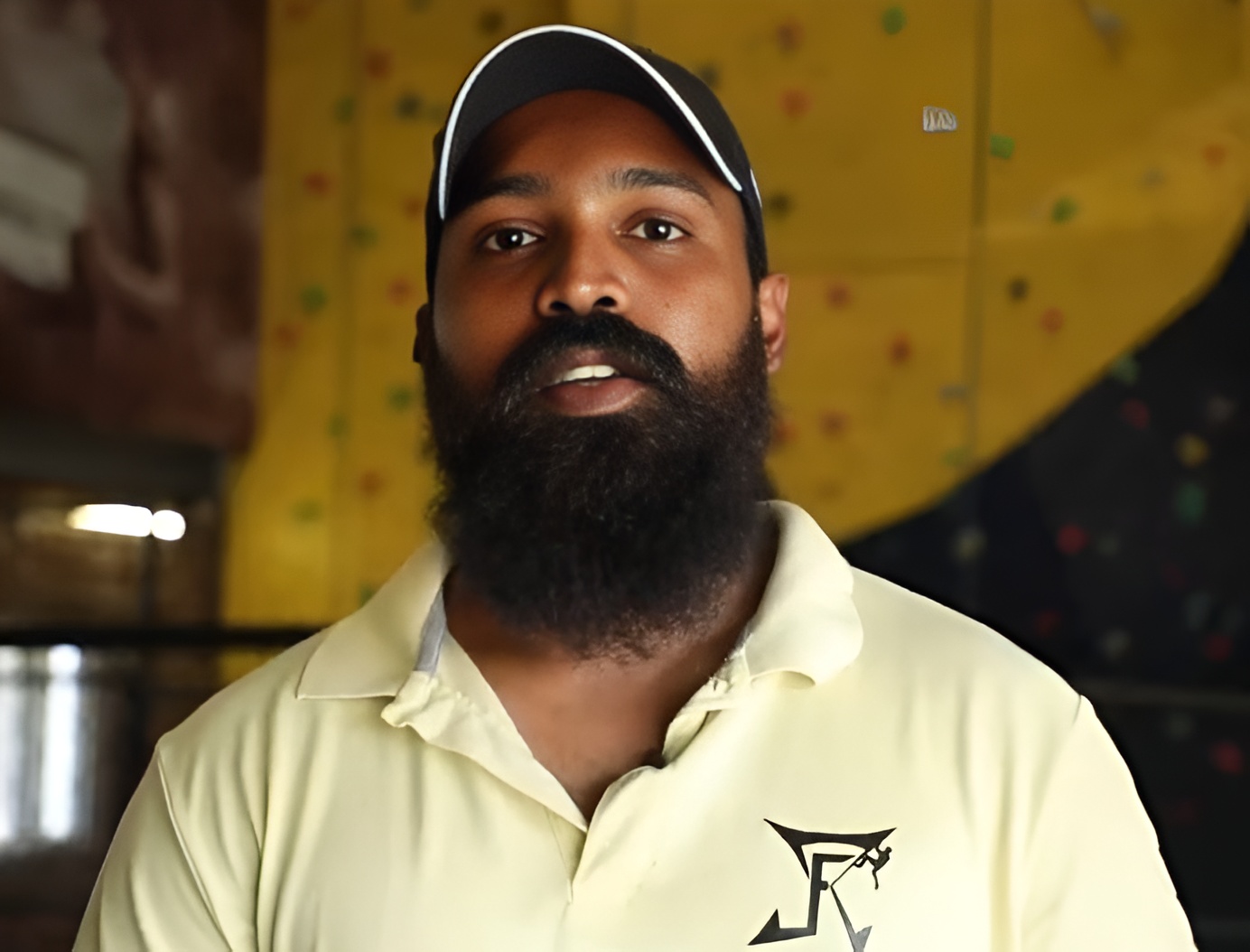
Staying active in any form can transform your life and keep you physically and mentally strong.
Through climbing and other physical activities, I’ve learned that movement builds strength, endurance, and confidence. You don’t need extreme workouts—simple activities like walking, running, or climbing regularly can improve your overall health and keep your body flexible and resilient.
Mr. Praveen (Professional Climbing Instructor)

Recovery is not just about treatment, but also about staying active and nourishing your body right.
After my ACL injury, I realized that proper nutrition combined with consistent movement plays a vital role in recovery. With the right care and support, it is possible to regain strength and return to an active lifestyle. Staying aware of your body and maintaining healthy habits can make a significant difference in long-term wellness.
Ms. Divya Purushotham (Sports Nutritionist)

Even small steps of movement can make a big difference in staying healthy and active.
Through my journey in farming, cycling, and sports, I’ve learned that staying active doesn’t require big changes. Simple daily activities and consistent movement help build endurance, improve health, and bring joy to life. No matter your age or profession, keeping yourself active is the key to a healthier lifestyle.
Senthil Mohan (Farmer, Cyclist and Sports Enthusiast)
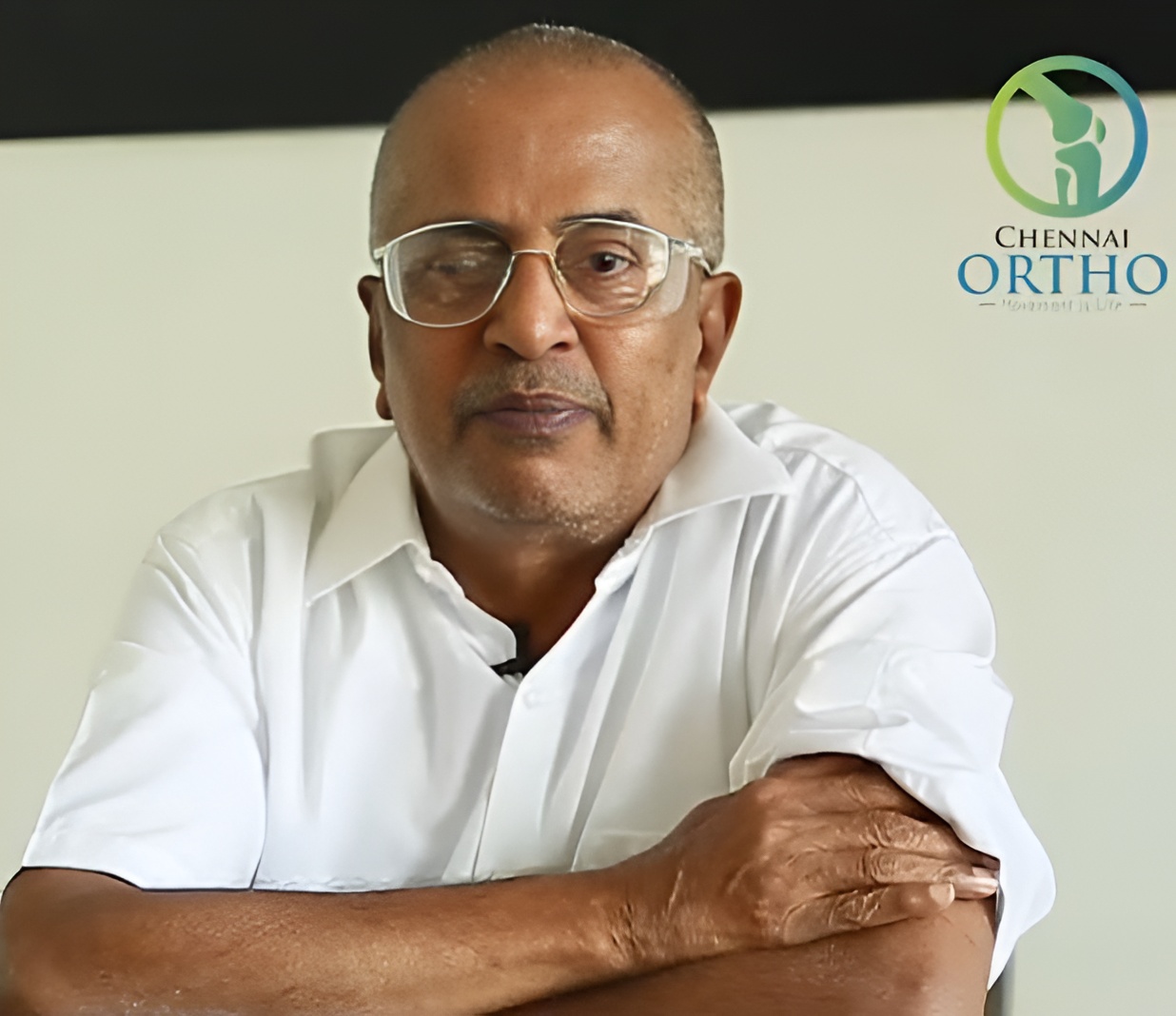
Age is never a barrier when it comes to staying active and living a healthy life.
Even after retirement, staying active through simple activities like walking, meditation, and spending time with family helps maintain both physical and mental well-being. Consistent movement keeps the body strong and the mind positive, proving that it’s never too late to adopt a healthy lifestyle.
N. Gomathinayagam (Retired Businessman)
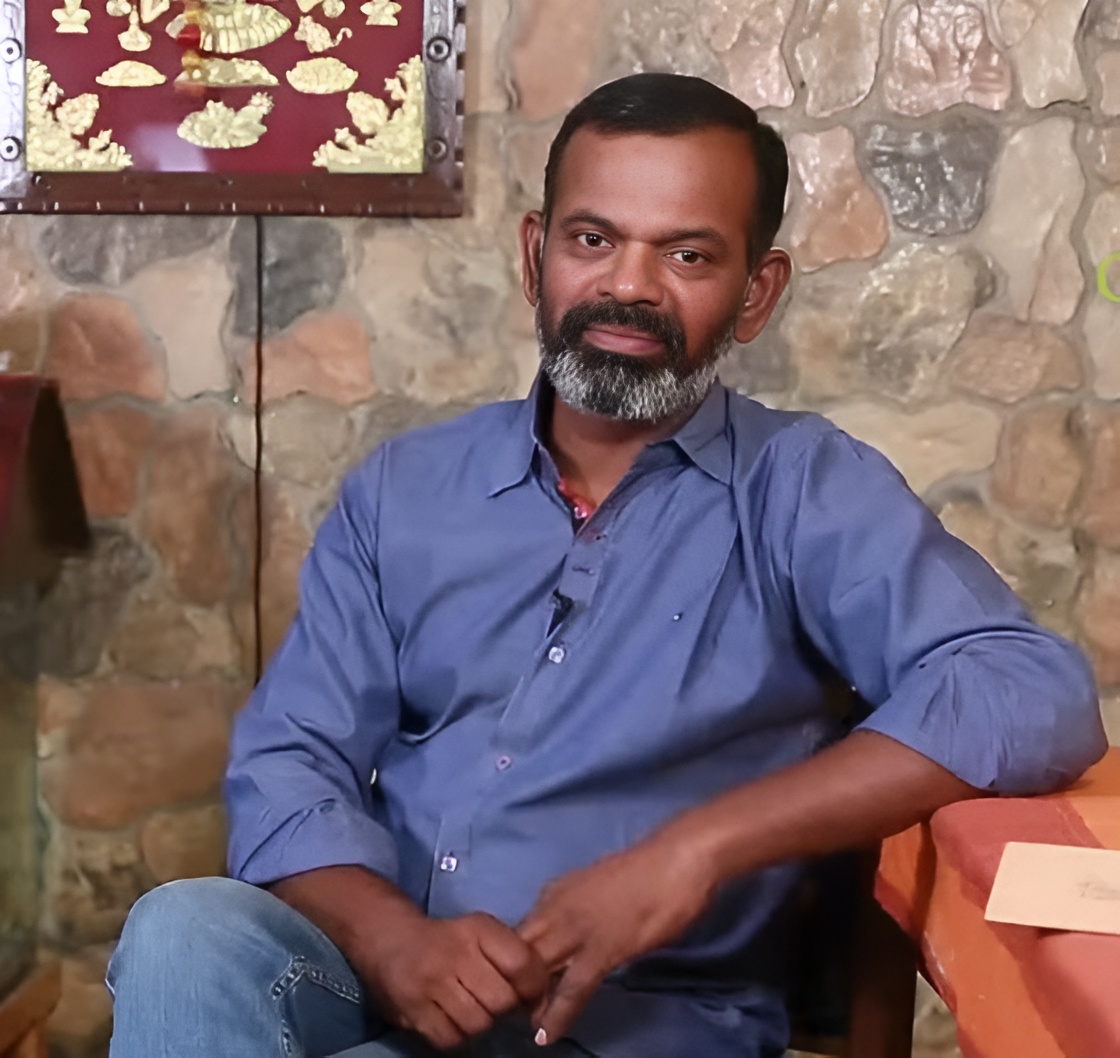
Fitness in life’s second innings keeps you active, motivated, and full of purpose.
Through long-distance cycling and an active lifestyle, I’ve learned that staying fit is important at every stage of life. Even after a professional career, maintaining movement helps build endurance, keeps the mind fresh, and brings a sense of achievement. Age should never stop you from staying active and pursuing what you love.
Mr. Vinay Babu (Ex-Banker, Endurance Cyclist)
Every patient story reflects not just a successful procedure but a return to freedom, confidence, and the ability to live life to the fullest.
Book an Appointment
If you are experiencing symptoms related to bow legs, genu varum, or a progressive varus knee deformity, a specialist assessment can help determine the most appropriate treatment approach.
Schedule a consultation with Dr Arumugam to discuss your leg alignment concerns and treatment options.