Shoulder Dislocation Treatment in Chennai
The shoulder is the most mobile joint in the body, which is also what makes it the most prone to instability.
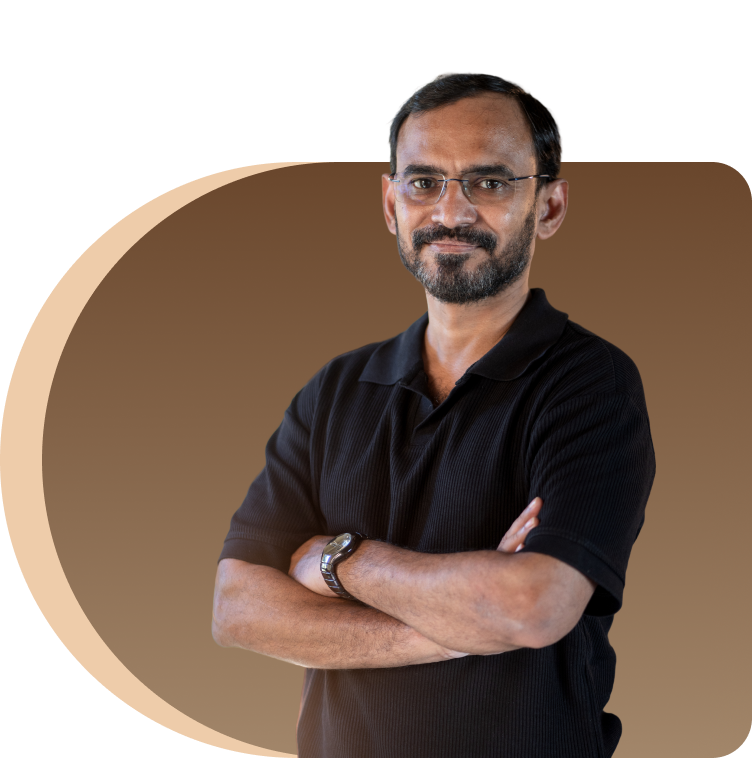
- Dr. Arumugam. S

Expert Shoulder Dislocation Treatment in Chennai
A shoulder dislocation occurs when the upper arm bone (humeral head) moves out of the shoulder socket. As the shoulder is the most mobile joint in the body, it is also one of the joints most prone to instability and dislocation.
Prompt diagnosis and appropriate shoulder dislocation treatment in Chennai can help restore joint stability, reduce the risk of recurrence, and support a safe return to daily activities.
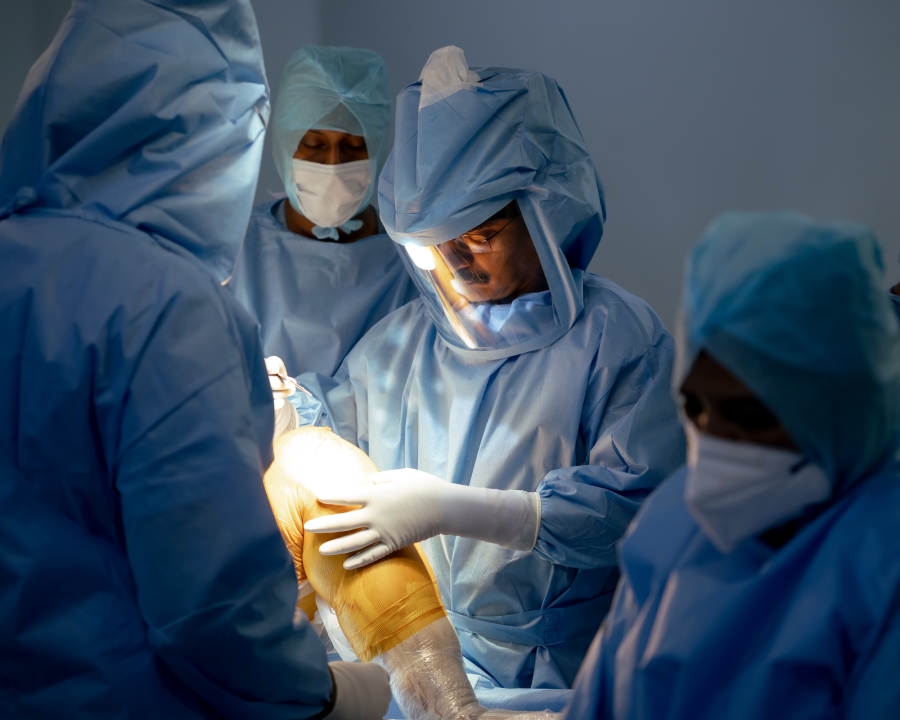
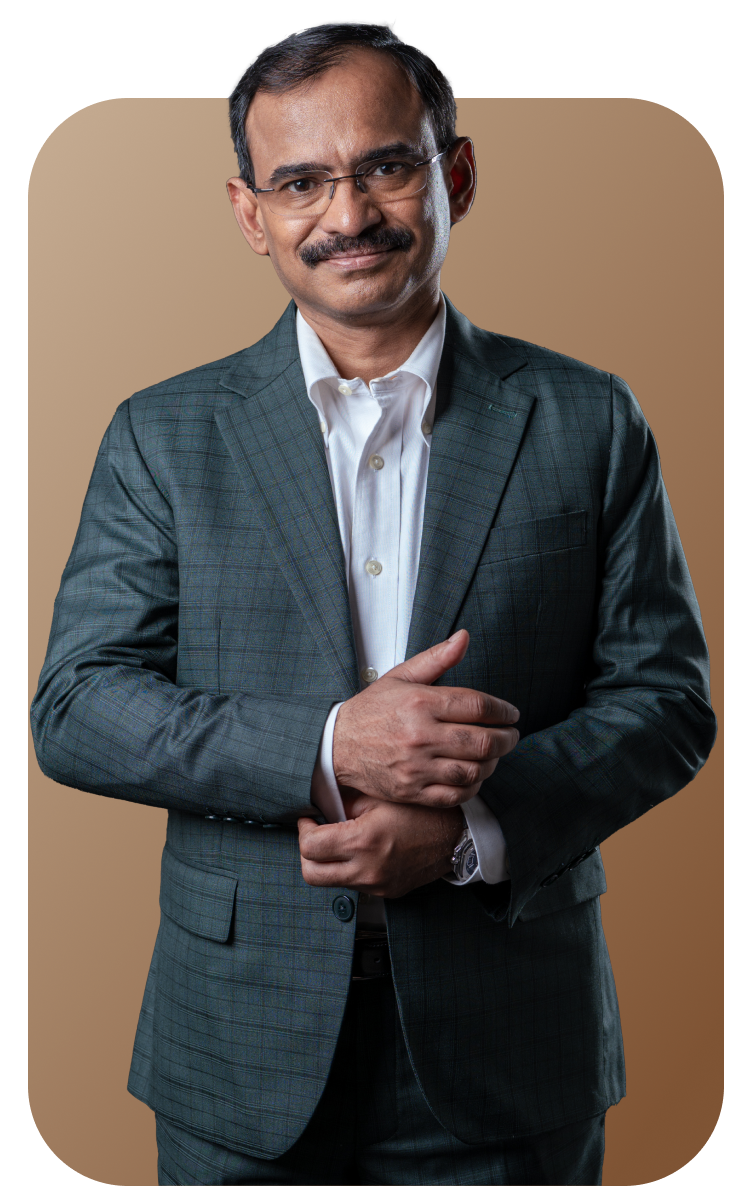
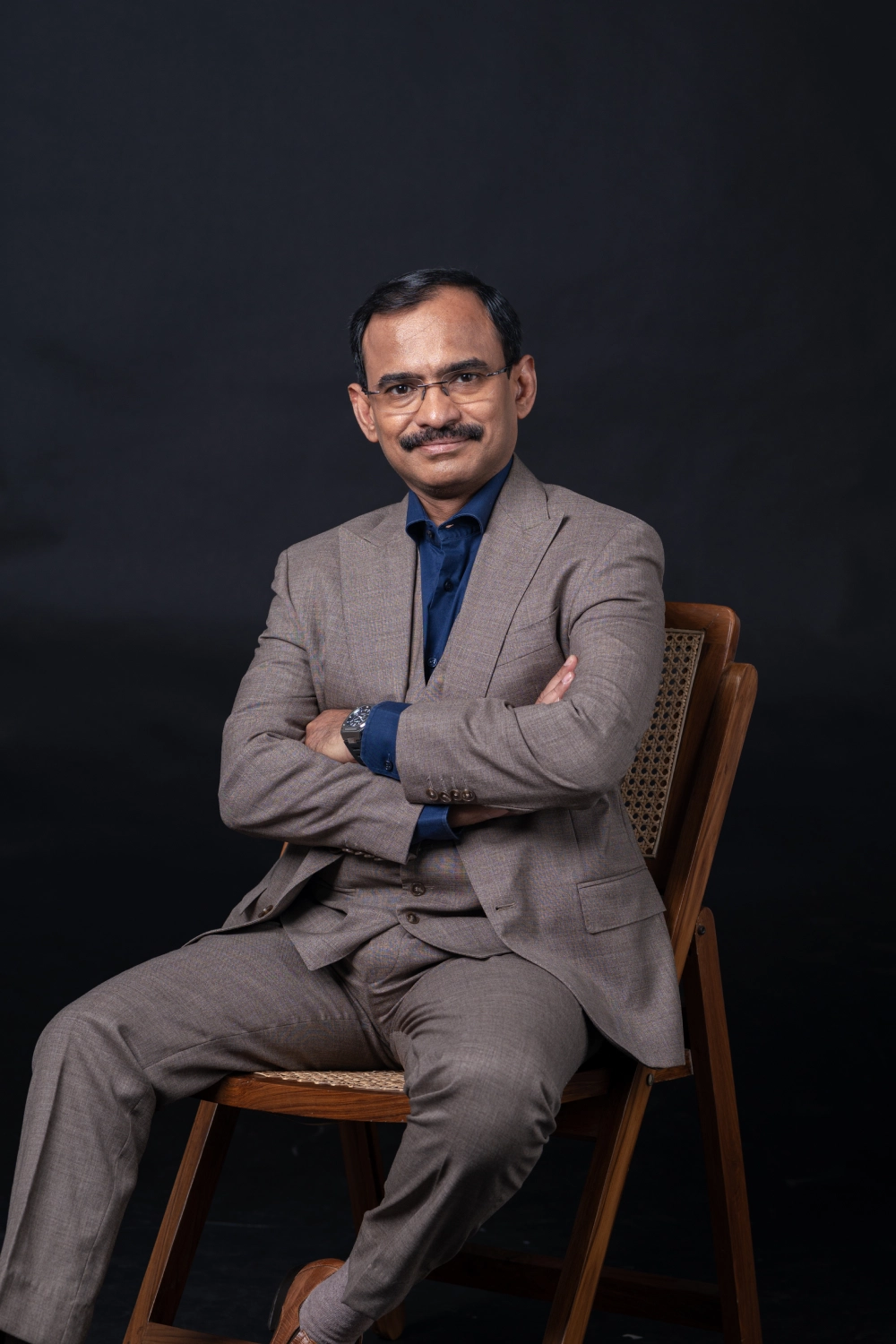
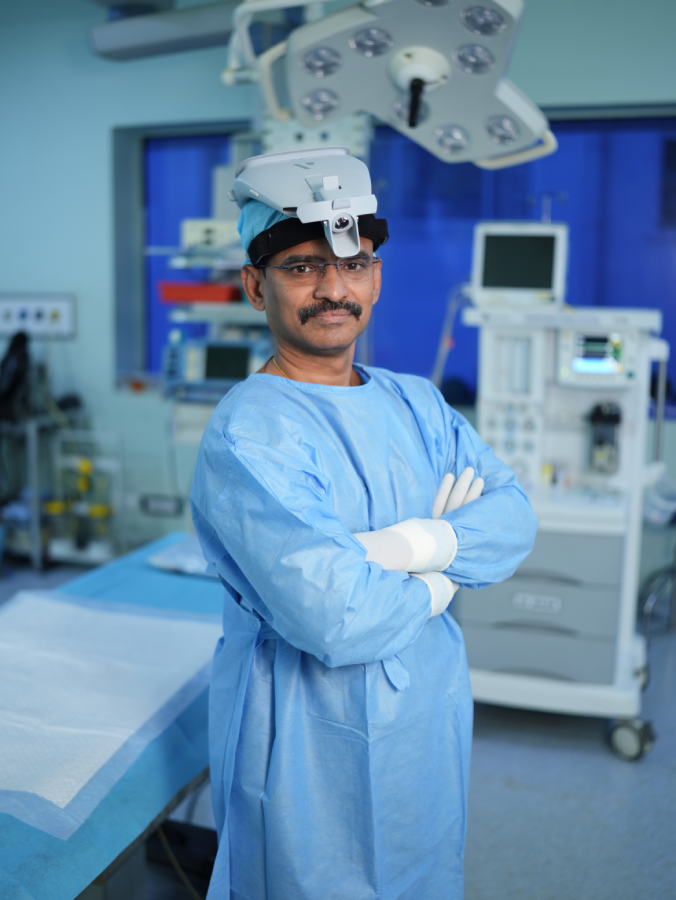
Dr. S. Arumugam brings over 27 years of orthopedic experience and has treated more than 20,000 patients across a wide range of orthopedic conditions, including complex shoulder injuries and joint instability disorders.
Need expert evaluation for shoulder instability? Schedule a consultation with Dr. Arumugam.
27+
Years Experience
8000+
Joint Replacement
1000+
Robotic Surgeries
20,000+
Patients Treated
Why Choose Dr. Arumugam for Shoulder Dislocation Treatment in Chennai
His extensive orthopedic experience enables accurate diagnosis and individualized management of both first-time and recurrent shoulder dislocations.
Patients seeking Shoulder Dislocation Treatment in Chennai choose Dr. Arumugam for:
- 27+ years of orthopedic experience
- Treatment of 20,000+ patients from India and abroad
- Expertise in advanced orthopedic procedures
- Comprehensive evaluation of shoulder instability
- Personalized treatment planning
- Focus on evidence-based surgical and non-surgical care
- Structured rehabilitation guidance
Consult Dr. Arumugam for an expert assessment of shoulder instability and treatment options.
Overview of Shoulder Dislocation
The shoulder joint relies on ligaments, tendons, muscles, and the joint capsule to maintain stability. Trauma, sports injuries, falls, or previous dislocations can damage these structures, resulting in shoulder instability.
Some patients experience a single episode that heals well with treatment, while others develop recurrent instability requiring specialized recurrent shoulder dislocation treatment or surgical stabilization.
Because each episode can stretch the structures that hold the joint in place, shoulder instability treatment is planned around how many dislocations have occurred and what they have damaged.
Causes and Symptoms of Shoulder Dislocation
Common causes include sports-related injuries, falls on an outstretched arm, road traffic accidents, direct impact to the shoulder, and previous shoulder dislocation causing joint laxity.
Symptoms may include:
- Sudden shoulder pain
- Visible deformity of the shoulder
- Inability to move the arm normally
- Swelling and bruising
- Feeling that the shoulder is "slipping" out of place
- Repeated episodes of instability

Patients experiencing repeated dislocations may require evaluation for shoulder joint instability treatment and long-term stabilization options.
When Should You Seek Treatment for a Dislocated Shoulder?
A dislocated shoulder is an emergency presentation rather than an injury to manage at home, and the joint should not be forced back into position without assessment.
Immediate medical attention is recommended if:
- The shoulder appears out of position
- Pain is severe following an injury
- Arm movement is significantly restricted
- Numbness or weakness develops
- The shoulder repeatedly feels unstable
Delaying dislocated shoulder treatment in Chennai can increase the risk of ligament damage, cartilage injury, and recurrent instability.
Diagnosis of Shoulder Dislocation and Joint Instability
Accurate diagnosis is essential for effective shoulder instability treatment.
Assessment typically includes:
- Detailed clinical examination
- Review of injury history
- X-rays to confirm dislocation and identify fractures
- MRI scans to evaluate ligament, labral, and soft tissue injuries
- Assessment of recurrent instability patterns
This evaluation helps determine whether non surgical treatment for shoulder dislocation is appropriate or if surgical stabilization may be beneficial.
Consult Dr. Arumugam for an expert assessment of shoulder instability and treatment options.
Non-Surgical and Surgical Treatment Options for Shoulder Dislocation
Treatment is individualized based on age, activity level, injury severity, and recurrence risk. Many first-time dislocations can be managed without surgery.
- Joint reduction (repositioning the shoulder)
- Temporary immobilization
- Pain management
- Structured physiotherapy
- Strengthening of shoulder stabilizing muscles
- Progressive mobility exercises
- Dislocations occur repeatedly
- Significant ligament or labral injuries are present
- Shoulder instability affects normal activities
- Conservative treatment fails
Appropriate non surgical treatment for shoulder dislocation can help restore function while reducing future instability. Modern shoulder dislocation treatment aims to restore stability while preserving shoulder movement and function.
Shoulder Stabilization Surgery for Recurrent Dislocations
Patients with repeated episodes often benefit from shoulder stabilization surgery as part of comprehensive recurrent shoulder dislocation management.
Recovery and Rehabilitation After Shoulder Dislocation Treatment
Recovery varies depending on injury severity and treatment type.

- Pain and swelling control
- Protective immobilization
- Gentle guided movement



- Range-of-motion exercises
- Muscle strengthening
- Shoulder stabilization training


Return to activity is gradual and supervised, with sport-specific rehabilitation where required. Successful dislocated shoulder rehabilitation plays a critical role in preventing future instability and supporting long-term shoulder function.
Read Shoulder Dislocation Treatment FAQs
Frequently Asked Questions
A shoulder dislocation occurs when the upper arm bone moves out of the shoulder socket, usually following trauma or injury.
Our Patient
Success Stories

The robotic surgery was painless!
The year 2015 – it was a year perfect for me. I got married. I got an onsite opportunity in the UK for a very large FMCG company. Within 5 months of my marriage, I came to know that I was going to be a father. Like in Will Smith's movie, I was indeed in the little phase of "happiness"
Mr. Ramakrishnan ()
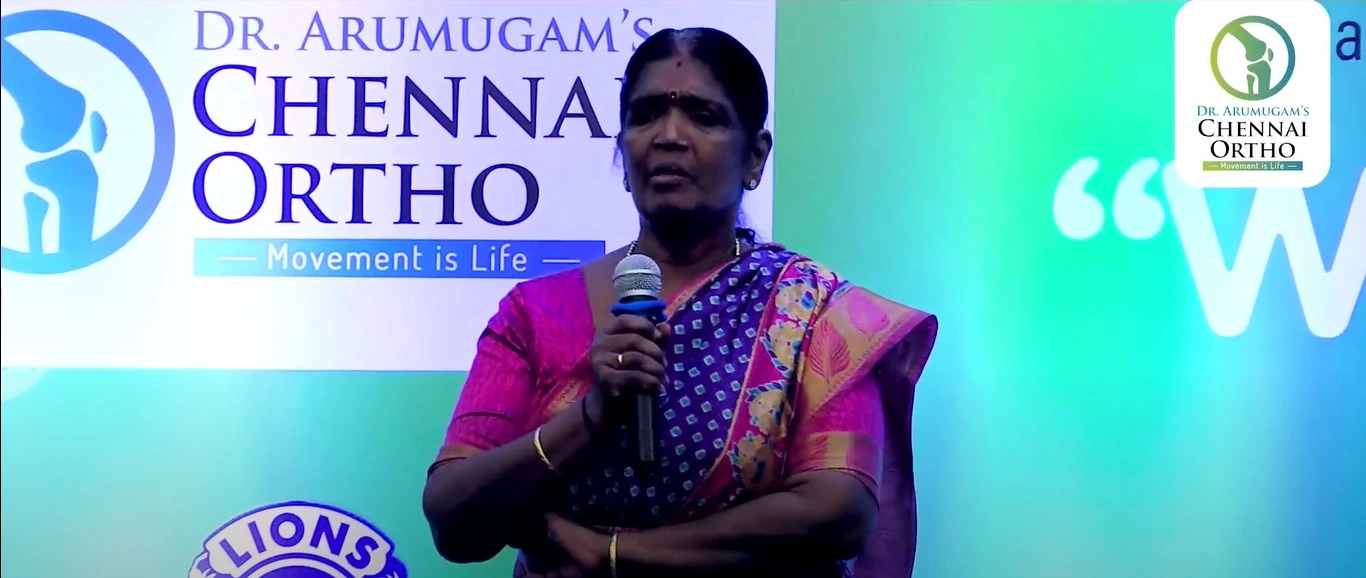
Nothing to worry about!
Thanks to Dr. Arumugam. S, I found freedom from severe knee pain and regained my independence
Mrs. Banumathi ()

Dr. Arumugam. S gave me a new lease on life!
I’m able to do all my work on my own. I have become independent again. Thank you!
Mr. Rajeshwari (65 years old)
Nothing to worry about!
Thanks to Dr. Arumugam. S, I found freedom from severe knee pain and regained my independence
Mrs. Banumathi ()
Dr. Arumugam. S gave me a new lease on life!
I’m able to do all my work on my own. I have become independent again. Thank you!
Mr. Rajeshwari (65 years old)
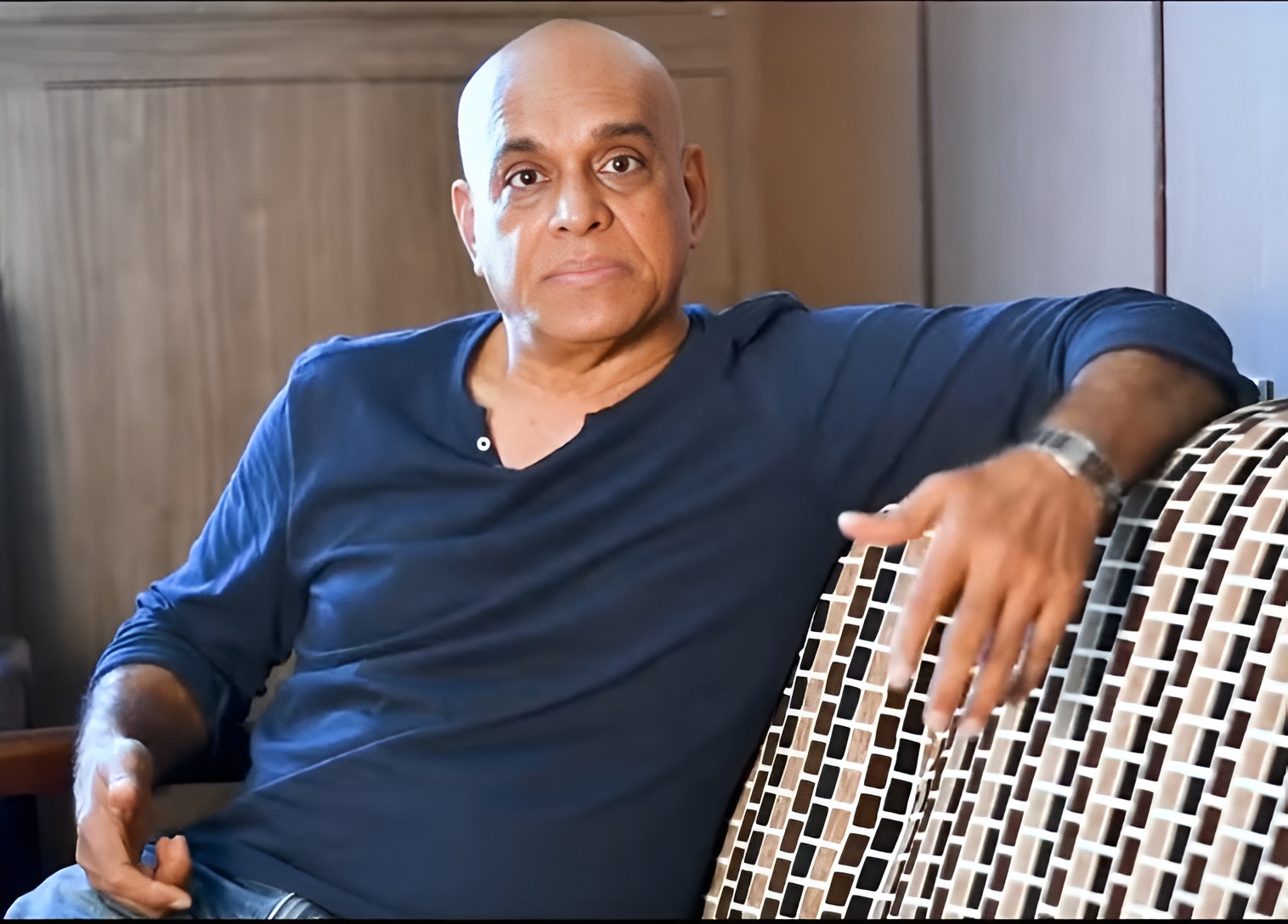
Movement is life, and staying active keeps both the body and mind healthy.
No matter the age, keeping the body in motion through activities like walking or cycling helps maintain strong joints, improves mobility, and keeps us energetic. Regular movement plays a key role in preventing stiffness and supporting a healthier lifestyle.
Mr. Sundar Rajan (Endurance Cyclist)
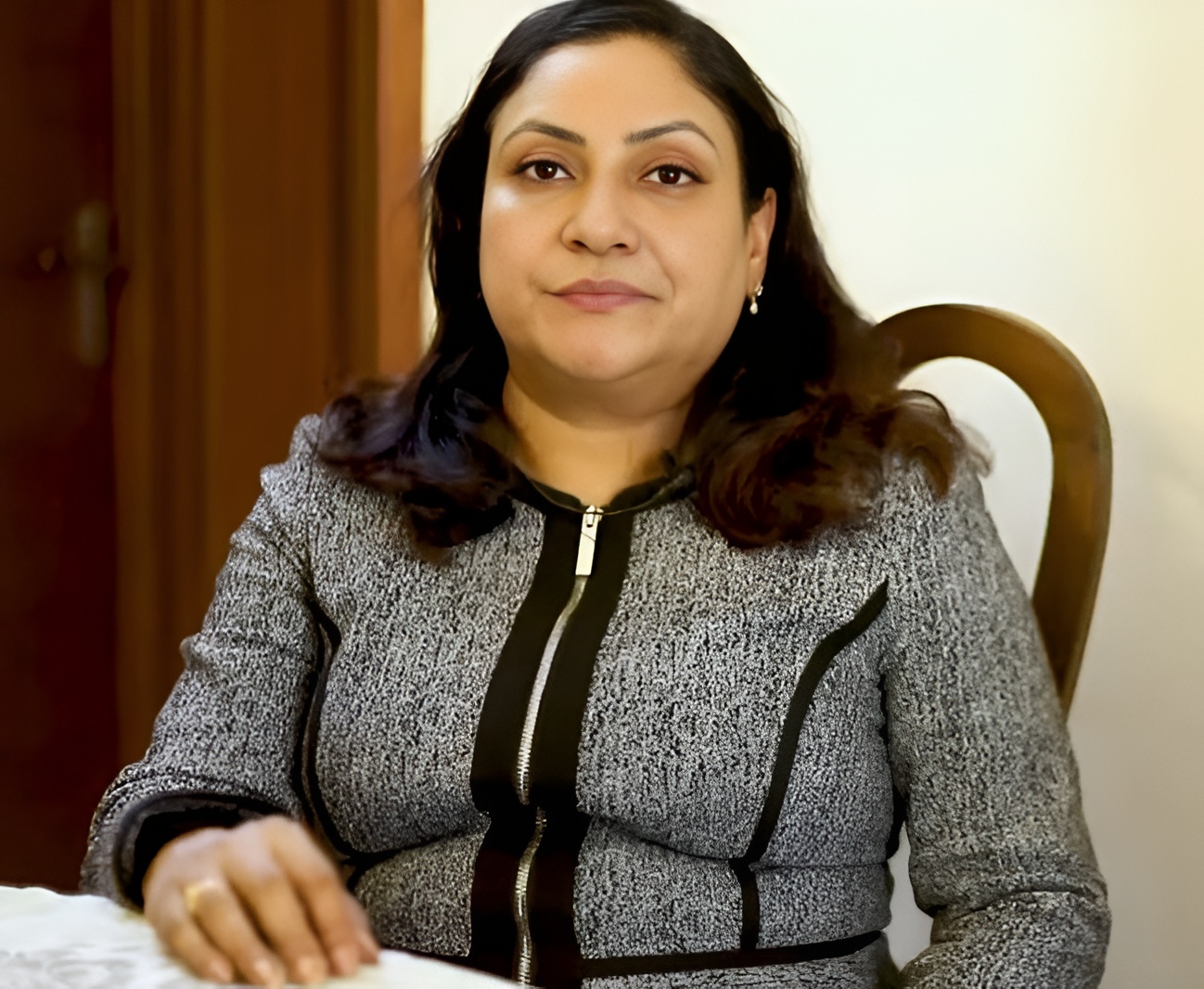
Staying active is essential to balance a demanding life and maintain overall well-being.
In a high-pressure career, it is important to make time for movement and personal well-being. Staying active not only helps maintain physical fitness but also reduces stress and improves mental clarity. Simple habits like regular movement can make a big difference in sustaining energy, focus, and a healthy lifestyle.
Ms. Jaya Vaidhyanathan (Global Tech Leader)
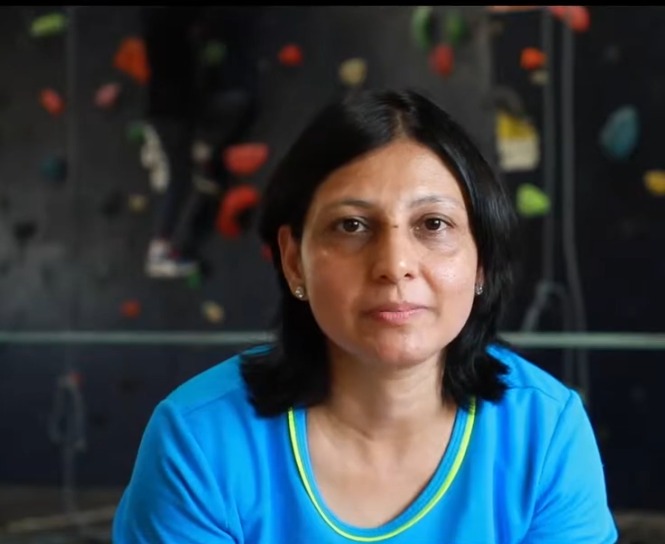
You are stronger than you think, and movement helps you discover that strength.
Through activities like running, trekking, and triathlons, I’ve realized that physical movement not only builds endurance but also strengthens the mind. Pushing your limits helps you grow, stay confident, and maintain both physical and mental fitness. Staying active is a powerful way to unlock your true potential.
Prajakta (Runner, Triathlete and Avid Trekker)
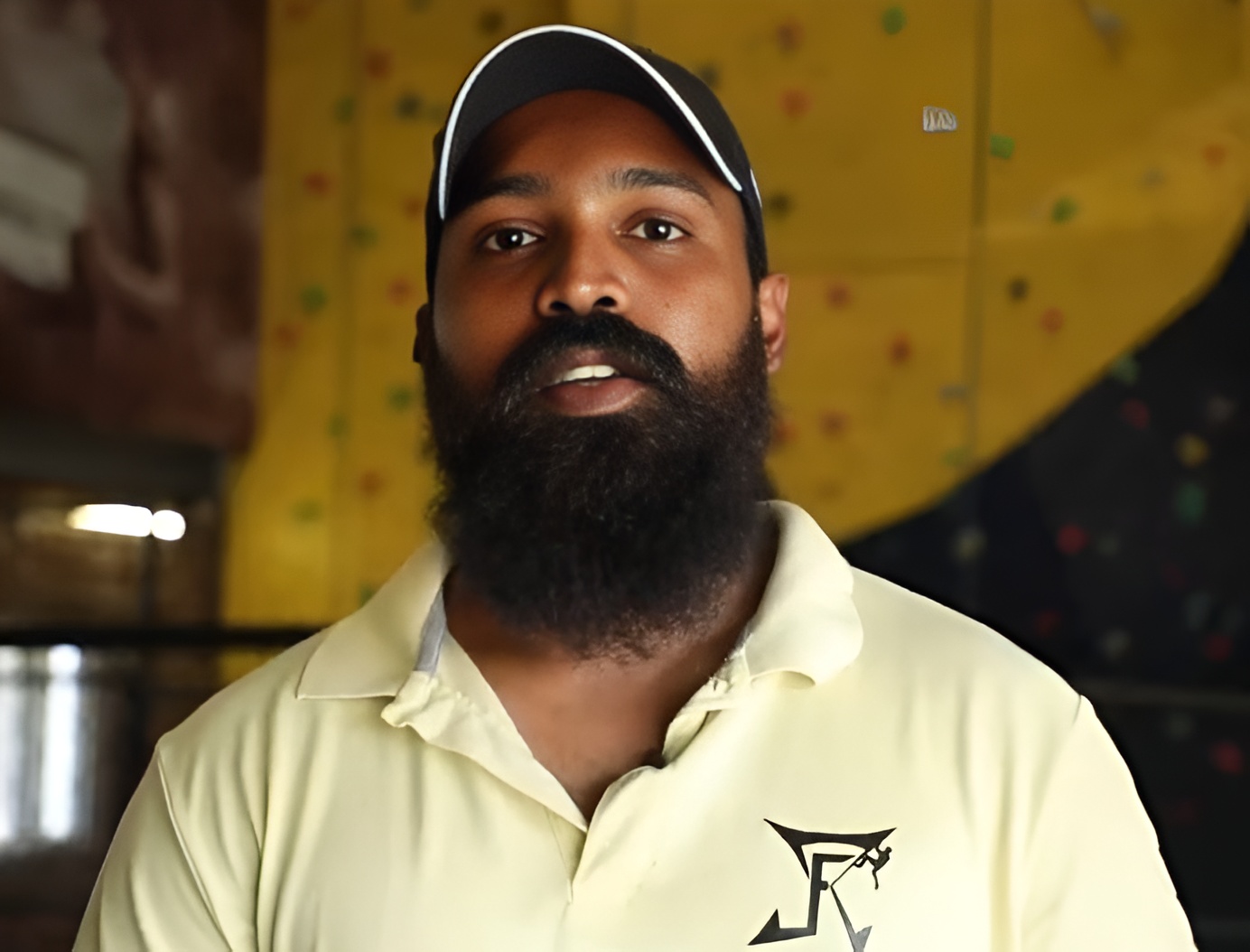
Staying active in any form can transform your life and keep you physically and mentally strong.
Through climbing and other physical activities, I’ve learned that movement builds strength, endurance, and confidence. You don’t need extreme workouts—simple activities like walking, running, or climbing regularly can improve your overall health and keep your body flexible and resilient.
Mr. Praveen (Professional Climbing Instructor)
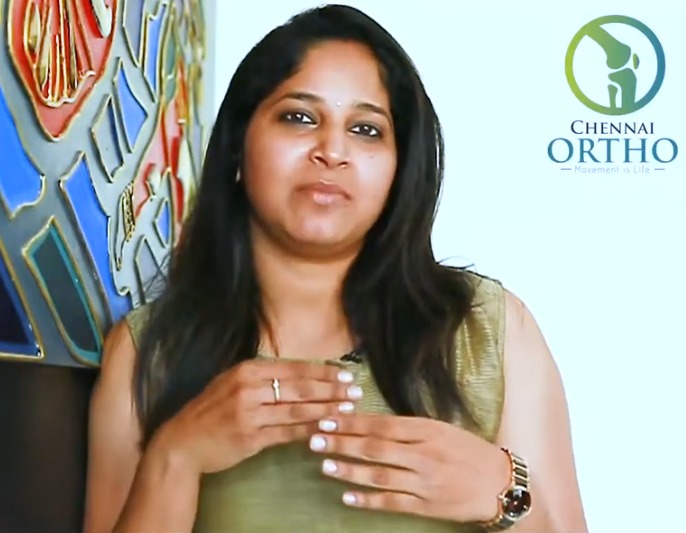
Recovery is not just about treatment, but also about staying active and nourishing your body right.
After my ACL injury, I realized that proper nutrition combined with consistent movement plays a vital role in recovery. With the right care and support, it is possible to regain strength and return to an active lifestyle. Staying aware of your body and maintaining healthy habits can make a significant difference in long-term wellness.
Ms. Divya Purushotham (Sports Nutritionist)
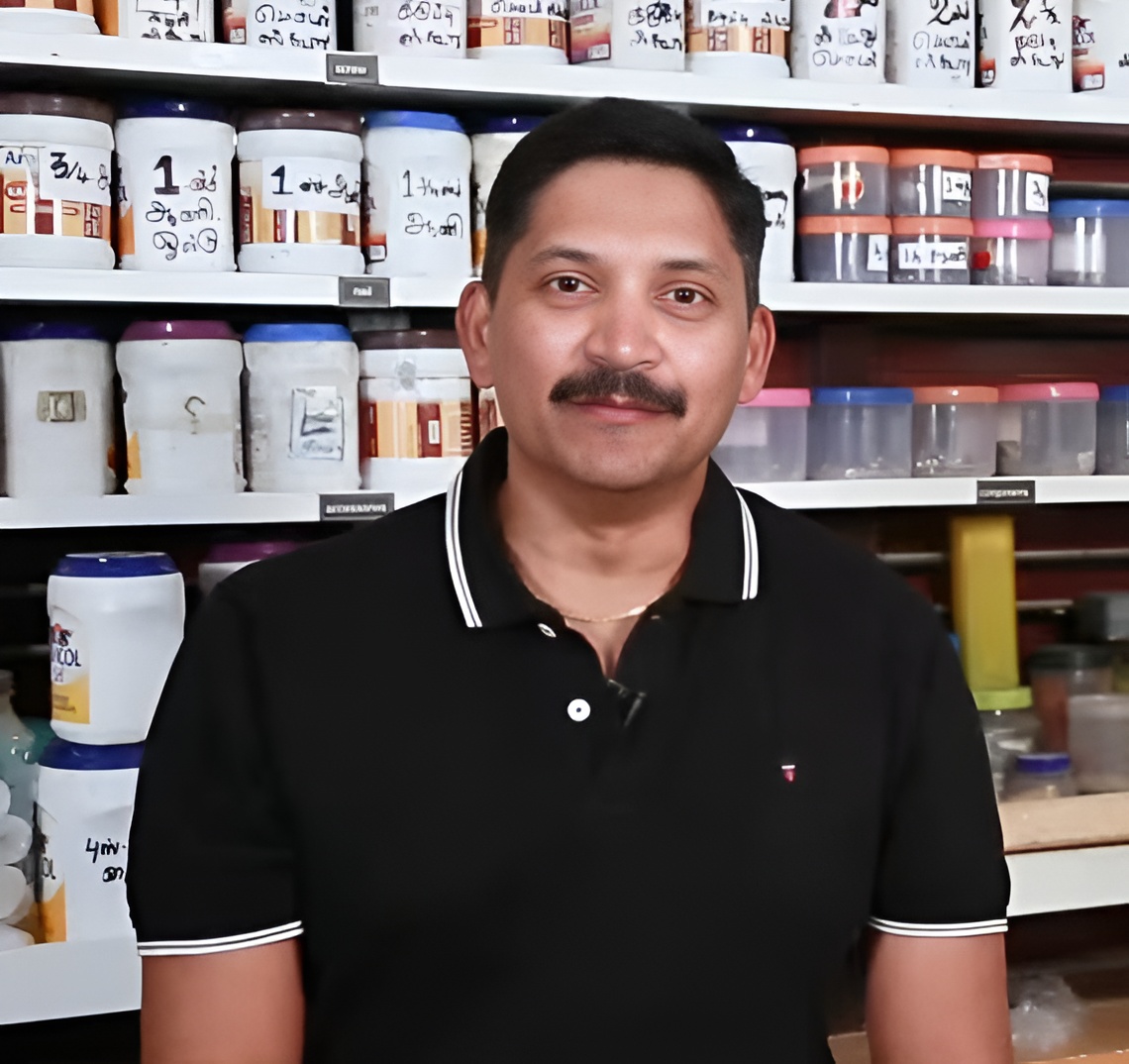
Even small steps of movement can make a big difference in staying healthy and active.
Through my journey in farming, cycling, and sports, I’ve learned that staying active doesn’t require big changes. Simple daily activities and consistent movement help build endurance, improve health, and bring joy to life. No matter your age or profession, keeping yourself active is the key to a healthier lifestyle.
Senthil Mohan (Farmer, Cyclist and Sports Enthusiast)
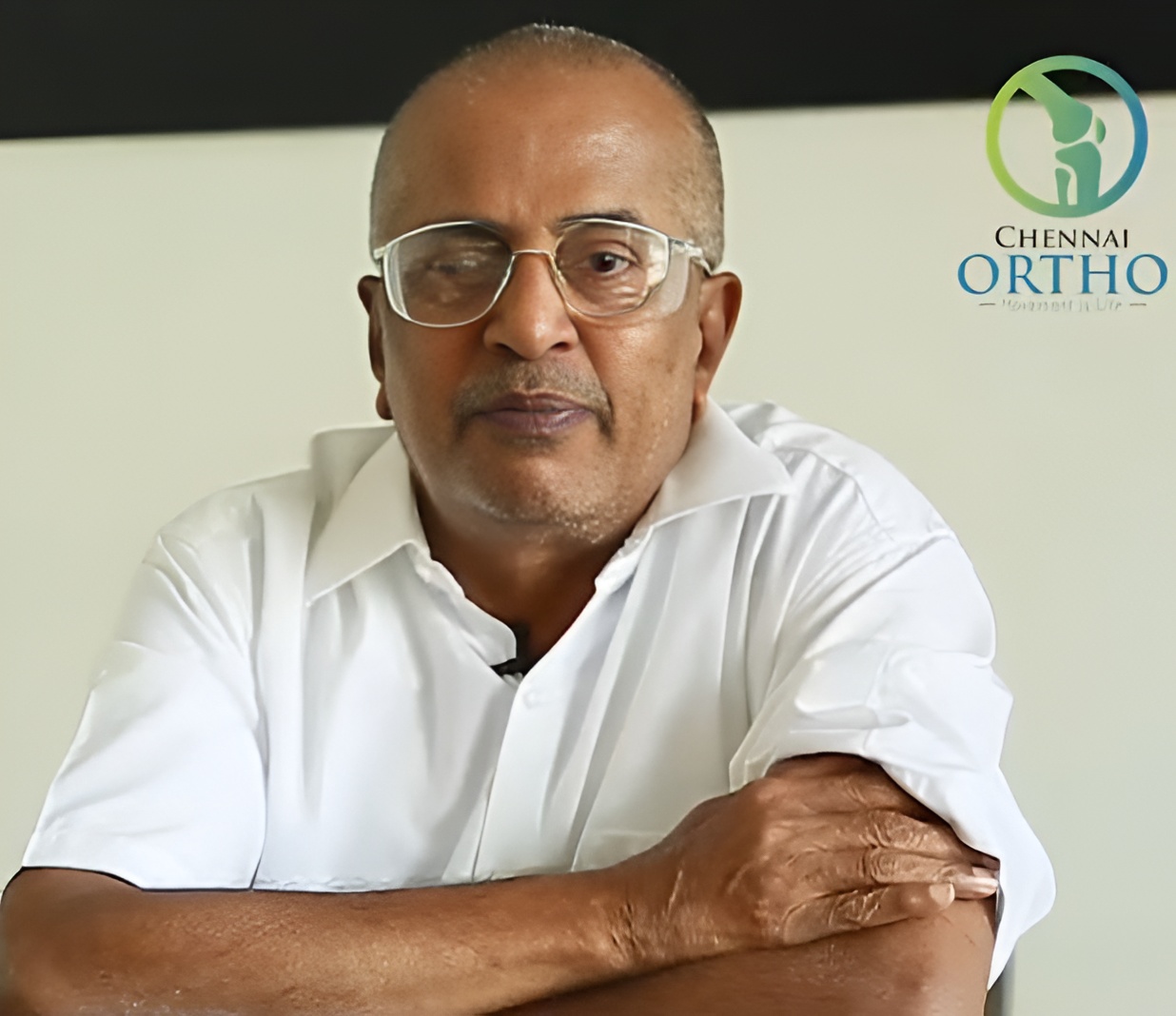
Age is never a barrier when it comes to staying active and living a healthy life.
Even after retirement, staying active through simple activities like walking, meditation, and spending time with family helps maintain both physical and mental well-being. Consistent movement keeps the body strong and the mind positive, proving that it’s never too late to adopt a healthy lifestyle.
N. Gomathinayagam (Retired Businessman)
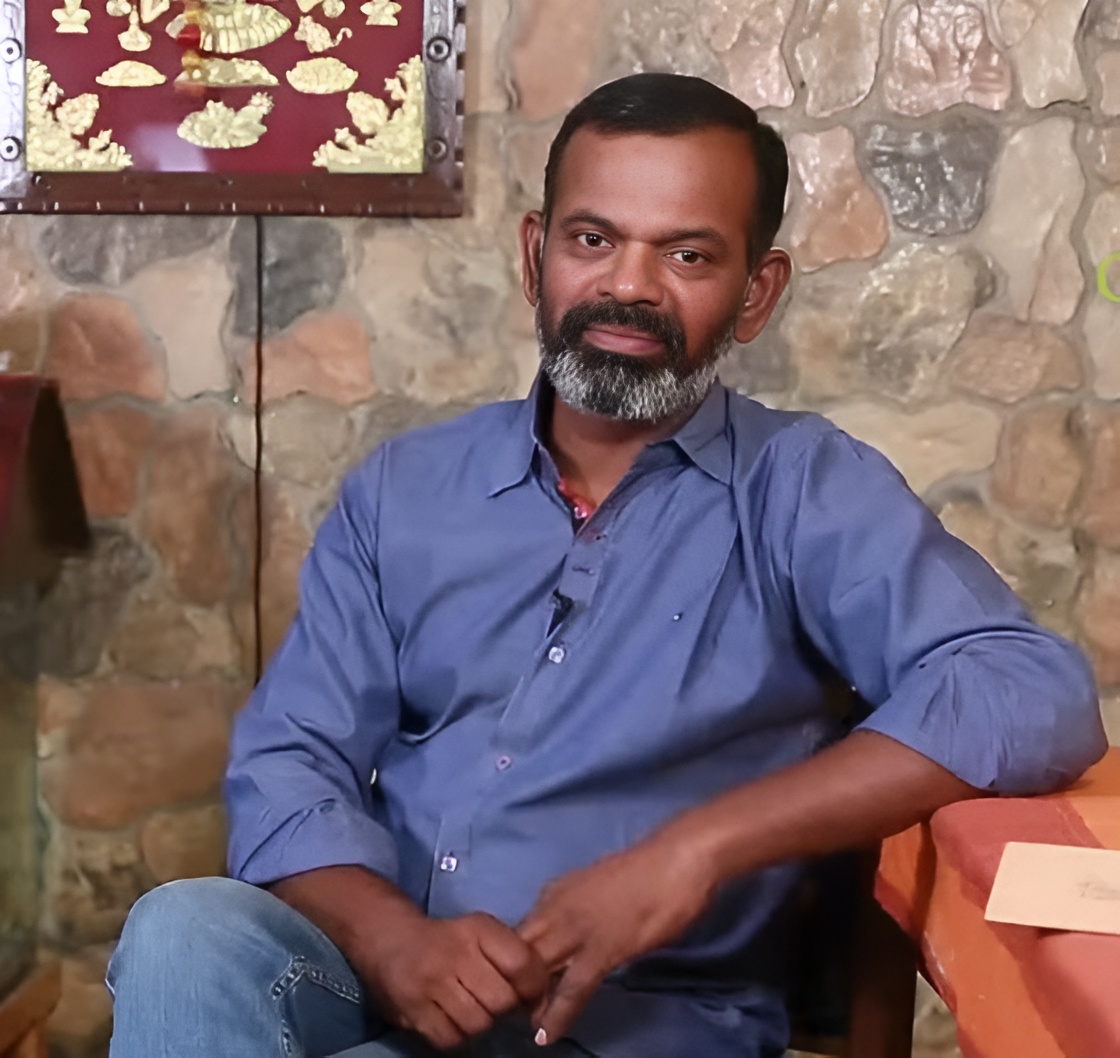
Fitness in life’s second innings keeps you active, motivated, and full of purpose.
Through long-distance cycling and an active lifestyle, I’ve learned that staying fit is important at every stage of life. Even after a professional career, maintaining movement helps build endurance, keeps the mind fresh, and brings a sense of achievement. Age should never stop you from staying active and pursuing what you love.
Mr. Vinay Babu (Ex-Banker, Endurance Cyclist)
Every patient story reflects not just a successful procedure but a return to freedom, confidence, and the ability to live life to the fullest.
Book an Appointment
If you are experiencing shoulder instability, repeated dislocations, or require expert guidance regarding shoulder dislocation treatment in Chennai, a detailed evaluation is the first step.
Dr. Arumugam provides personalized treatment planning for both first-time and recurrent shoulder dislocations.
Consult Dr. Arumugam for an expert assessment of shoulder instability and treatment options.