Total Hip Replacement Surgery in Chennai
The goal is not simply to replace the damaged joint but to restore balanced hip mechanics that support long-term implant performance.
- Dr. Arumugam. S

Expert Care for Damaged Hip Joints
A damaged hip joint doesn't always cause severe pain in the beginning. Often, it starts with subtle changes, reduced flexibility, difficulty turning the leg, discomfort after prolonged activity, or the need to avoid movements that once felt effortless. As the joint continues to deteriorate, these limitations can become more noticeable and begin to interfere with everyday life.
Hip joint damage may occur due to arthritis, avascular necrosis, previous injuries, or age-related degeneration. While many patients benefit from non-surgical treatment during the early stages, some eventually reach a point where the joint can no longer function effectively.
In such situations, total hip replacement surgery in India may provide a reliable solution by replacing the damaged joint with artificial implants that are designed to restore stability and movement. Every treatment recommendation is based on a careful evaluation of the joint, the patient's functional needs, and the expected long-term outcome.
Schedule your consultation with Dr. Arumugam for a detailed hip evaluation.

27+
Years Experience
10,000+
Joint Replacement
1350+
Robotic Surgeries
20,000+
Patients Treated
Why Choose Dr Arumugam for Total Hip Replacement in Chennai
Choosing an experienced orthopedic surgeon is one of the most important decisions before joint replacement surgery.
Patients choose Dr. Arumugam because of his:
- 27+ years of orthopedic experience
- 10,000+ joint replacement procedures performed
- 20,000+ patients treated
- Expertise in robotic joint replacement surgery
- 1,350+ robotic knee replacement surgeries completed
- Faculty participation at national and international orthopedic conferences
- Individualized treatment planning for every patient
His approach combines clinical experience, careful evaluation, and evidence-based surgical care to help patients make informed treatment decisions.


Overview of Total Hip Replacement
Total hip replacement surgery in India is performed when damage within the hip joint has progressed to a stage where preserving the natural joint is unlikely to provide lasting function. Instead of treating only the symptoms, the procedure replaces the worn portions of the joint with carefully selected prosthetic components. The objective is to create a stable, well-aligned joint that allows smoother movement and supports everyday activities.
Modern hip replacement is not simply about implanting artificial components. Equal importance is given to every stage of the treatment, from planning through rehabilitation.
Equal importance is given to:
- Surgical planning
- Implant positioning
- Restoration of joint mechanics
- Postoperative rehabilitation
Each of these factors influences the long-term performance of the replacement.
When Is Total Hip Replacement Recommended?
The decision to proceed with total hip replacement surgery in India is based on the overall condition of the joint rather than a single scan or symptom.
Surgery may be considered when:
- Hip movement continues to become more restricted.
- Joint damage is clearly visible on imaging studies.
- Walking or standing becomes increasingly difficult.
- Pain begins to affect routine activities or sleep.
- Previous treatments no longer provide satisfactory improvement.
- The hip joint has lost its normal function and stability.






A detailed orthopedic assessment helps determine whether joint preservation remains appropriate or whether replacement offers a better long-term solution.
Conditions Treated with Total Hip Replacement Surgery
Several conditions can gradually damage the hip joint and affect its ability to function normally.

Osteoarthritis
The protective cartilage wears away over time, allowing the joint surfaces to rub together and causing progressive deterioration.

Rheumatoid Arthritis
Chronic inflammation may damage cartilage, bone, and surrounding soft tissues, leading to joint deformity.
Avascular Necrosis
Loss of blood supply weakens the femoral head, eventually affecting the stability and integrity of the hip joint.
Post-Traumatic Arthritis
Fractures and previous hip injuries may permanently alter joint alignment and accelerate degeneration.
Advanced Degenerative Hip Disorders
Certain developmental abnormalities and long-standing hip conditions may eventually require total hip replacement surgery in India when reconstruction is no longer feasible.
Accurate diagnosis of the underlying condition determines whether total hip arthroplasty is the most appropriate treatment.
Benefits of Total Hip Replacement
For carefully selected patients, total hip replacement surgery in India can offer several functional advantages.
Benefits may include:
- Improved joint stability
- Better range of movement
- Reduced discomfort caused by damaged joint surfaces
- Improved weight-bearing ability
- Greater confidence during everyday activities
- Better long-term joint function
The outcome depends on factors such as the condition of the joint before surgery, implant positioning, rehabilitation, and overall health.
Speak with Dr. Arumugam to understand whether hip replacement is the right treatment for you.
How Total Hip Replacement Surgery Is Performed
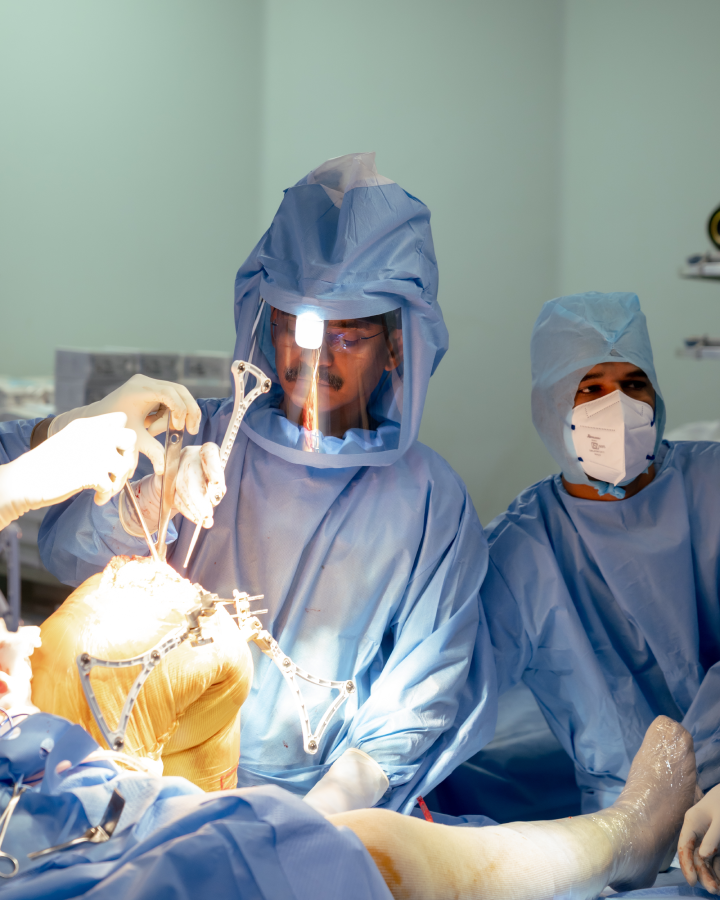
Every total hip replacement surgery in India begins with careful planning. The procedure generally includes:
Recovery and Rehabilitation After Hip Replacement
Recovery begins soon after surgery under the supervision of the orthopedic and rehabilitation team. Early movement is encouraged to support circulation, improve confidence, and begin restoring mobility safely.

- Early assisted movement after surgery
- Strengthening the muscles around the hip
- Improving balance
- Restoring flexibility
- Gradually increasing activity levels


Regular follow-up appointments allow recovery to be monitored and rehabilitation plans to be adjusted whenever required.
Risks and Expected Outcomes
Like any major orthopedic procedure, total hip replacement surgery in India carries potential risks.
- Infection
- Blood clots
- Joint instability
- Implant loosening
- Rare nerve or blood vessel injury
- Accurate surgical planning
- Meticulous surgical technique
- Structured rehabilitation
- Continued follow-up after surgery
For appropriately selected patients, hip replacement has demonstrated dependable long-term results.
Read Total Hip Replacement FAQs
Frequently Asked Questions
Patients whose hip joint has sustained advanced damage and whose symptoms continue to affect mobility despite appropriate treatment may be suitable candidates after an orthopedic assessment.
Our Patient
Success Stories

The robotic surgery was painless!
The year 2015 – it was a year perfect for me. I got married. I got an onsite opportunity in the UK for a very large FMCG company. Within 5 months of my marriage, I came to know that I was going to be a father. Like in Will Smith's movie, I was indeed in the little phase of "happiness"
Mr. Ramakrishnan ()
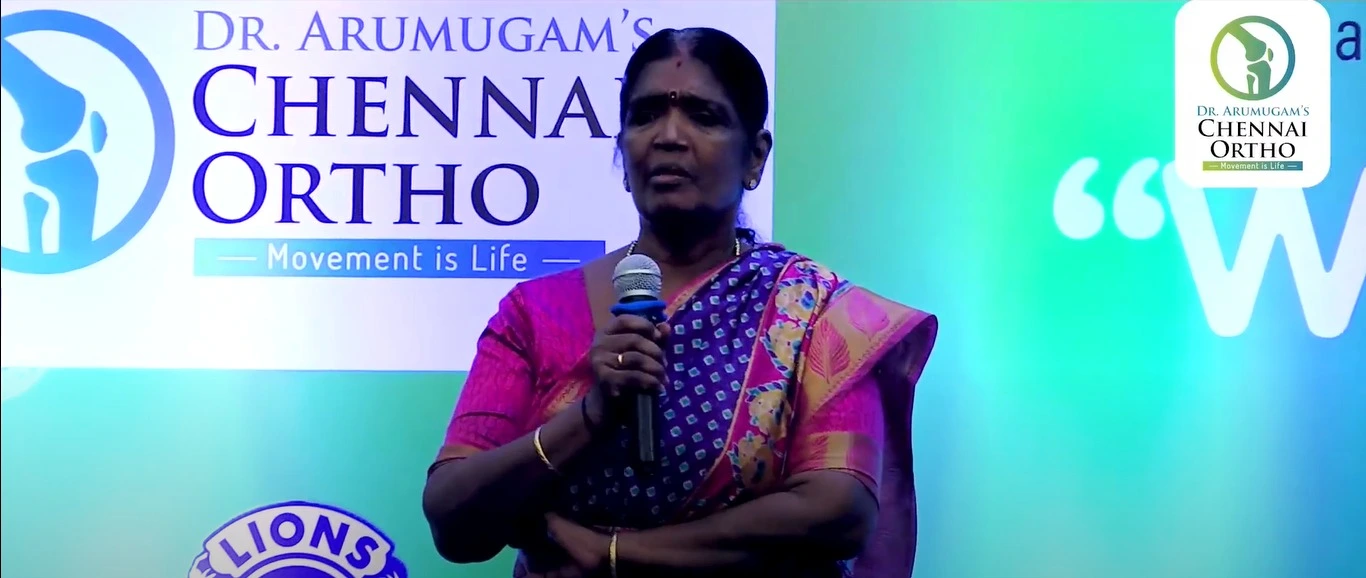
Nothing to worry about!
Thanks to Dr. Arumugam. S, I found freedom from severe knee pain and regained my independence
Mrs. Banumathi ()

Dr. Arumugam. S gave me a new lease on life!
I’m able to do all my work on my own. I have become independent again. Thank you!
Mr. Rajeshwari (65 years old)
Nothing to worry about!
Thanks to Dr. Arumugam. S, I found freedom from severe knee pain and regained my independence
Mrs. Banumathi ()
Dr. Arumugam. S gave me a new lease on life!
I’m able to do all my work on my own. I have become independent again. Thank you!
Mr. Rajeshwari (65 years old)
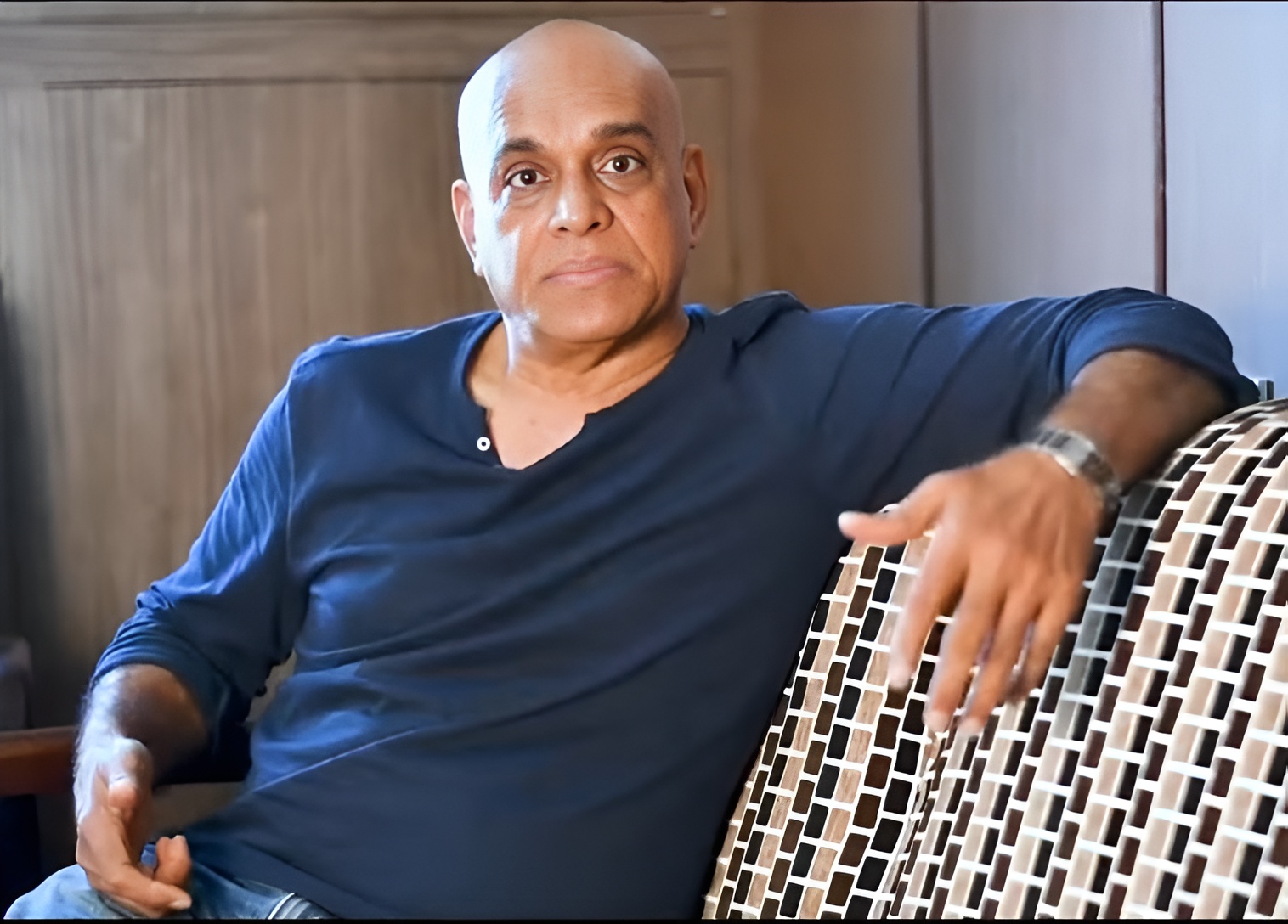
Movement is life, and staying active keeps both the body and mind healthy.
No matter the age, keeping the body in motion through activities like walking or cycling helps maintain strong joints, improves mobility, and keeps us energetic. Regular movement plays a key role in preventing stiffness and supporting a healthier lifestyle.
Mr. Sundar Rajan (Endurance Cyclist)

Staying active is essential to balance a demanding life and maintain overall well-being.
In a high-pressure career, it is important to make time for movement and personal well-being. Staying active not only helps maintain physical fitness but also reduces stress and improves mental clarity. Simple habits like regular movement can make a big difference in sustaining energy, focus, and a healthy lifestyle.
Ms. Jaya Vaidhyanathan (Global Tech Leader)

You are stronger than you think, and movement helps you discover that strength.
Through activities like running, trekking, and triathlons, I’ve realized that physical movement not only builds endurance but also strengthens the mind. Pushing your limits helps you grow, stay confident, and maintain both physical and mental fitness. Staying active is a powerful way to unlock your true potential.
Prajakta (Runner, Triathlete and Avid Trekker)

Staying active in any form can transform your life and keep you physically and mentally strong.
Through climbing and other physical activities, I’ve learned that movement builds strength, endurance, and confidence. You don’t need extreme workouts—simple activities like walking, running, or climbing regularly can improve your overall health and keep your body flexible and resilient.
Mr. Praveen (Professional Climbing Instructor)

Recovery is not just about treatment, but also about staying active and nourishing your body right.
After my ACL injury, I realized that proper nutrition combined with consistent movement plays a vital role in recovery. With the right care and support, it is possible to regain strength and return to an active lifestyle. Staying aware of your body and maintaining healthy habits can make a significant difference in long-term wellness.
Ms. Divya Purushotham (Sports Nutritionist)

Even small steps of movement can make a big difference in staying healthy and active.
Through my journey in farming, cycling, and sports, I’ve learned that staying active doesn’t require big changes. Simple daily activities and consistent movement help build endurance, improve health, and bring joy to life. No matter your age or profession, keeping yourself active is the key to a healthier lifestyle.
Senthil Mohan (Farmer, Cyclist and Sports Enthusiast)
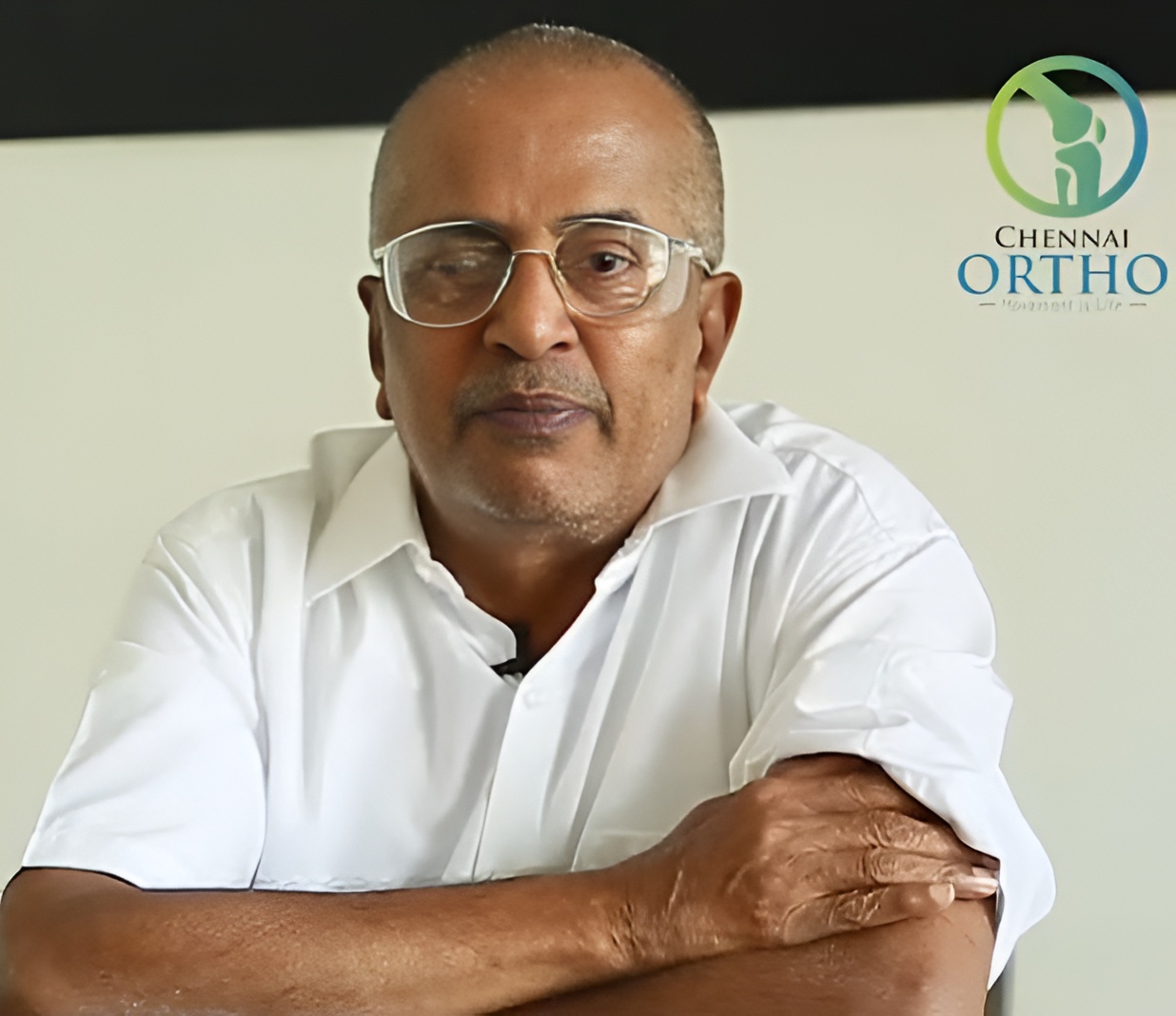
Age is never a barrier when it comes to staying active and living a healthy life.
Even after retirement, staying active through simple activities like walking, meditation, and spending time with family helps maintain both physical and mental well-being. Consistent movement keeps the body strong and the mind positive, proving that it’s never too late to adopt a healthy lifestyle.
N. Gomathinayagam (Retired Businessman)
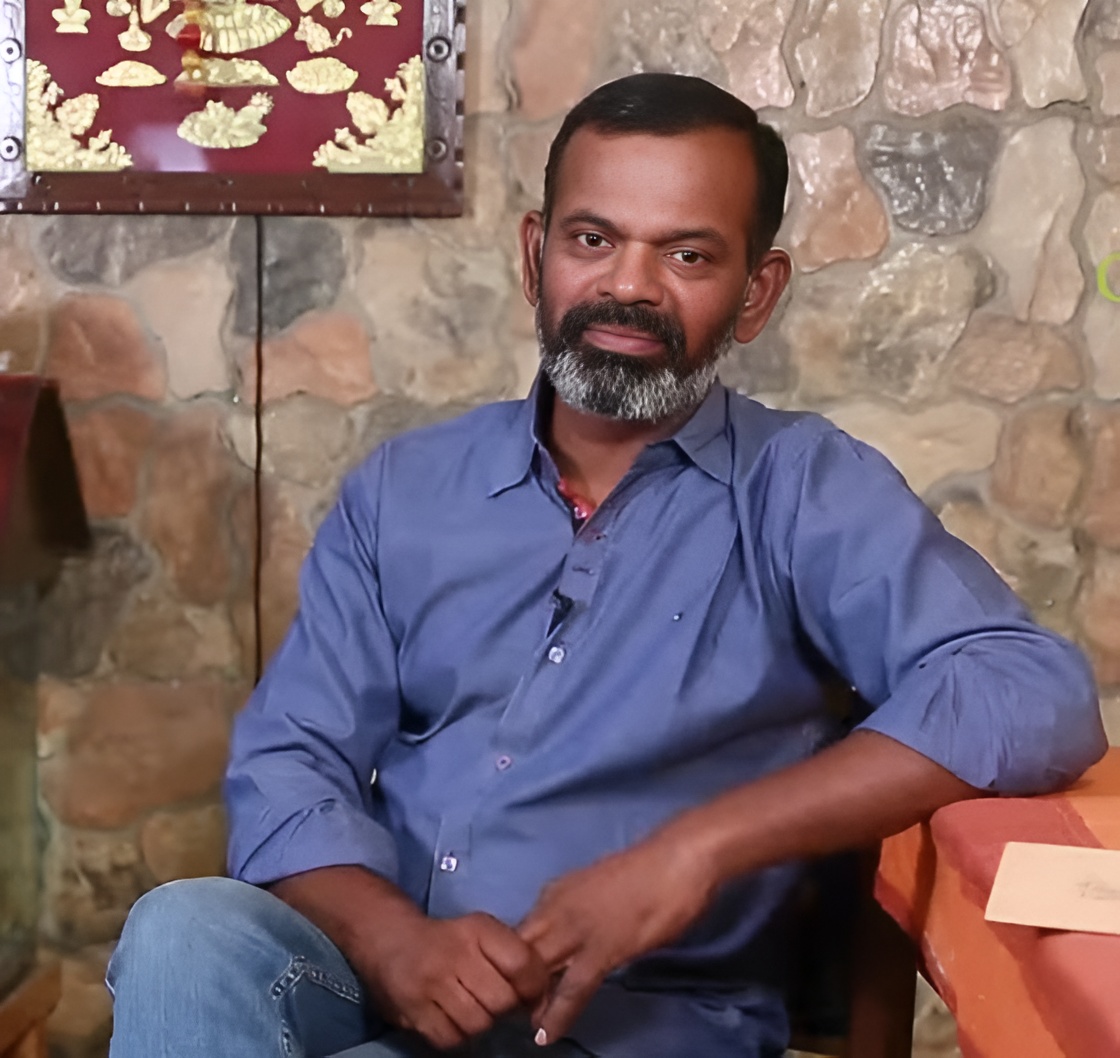
Fitness in life’s second innings keeps you active, motivated, and full of purpose.
Through long-distance cycling and an active lifestyle, I’ve learned that staying fit is important at every stage of life. Even after a professional career, maintaining movement helps build endurance, keeps the mind fresh, and brings a sense of achievement. Age should never stop you from staying active and pursuing what you love.
Mr. Vinay Babu (Ex-Banker, Endurance Cyclist)
Every patient story reflects not just a successful procedure but a return to freedom, confidence, and the ability to live life to the fullest.
Book an Appointment
If your hip joint is limiting your movement or affecting your daily routine, an expert evaluation can help determine the most appropriate treatment.
Whether you require continued conservative care or total hip replacement surgery in India, the first step is an accurate diagnosis and a treatment plan tailored to your condition.
Book your consultation with Dr. S. Arumugam today.