How Robotic Joint Replacement Improves Recovery and Precision: Benefits of Robotic Joint Replacement
Joint replacement outcomes are influenced by more than the procedure itself. Factors such as implant positioning, joint alignment, soft tissue balance, and surgical accuracy play a critical role in determining how well a patient regains mobility and function after surgery. As orthopedic care continues to evolve, technology has introduced new ways to improve precision at every stage of treatment. Understanding the benefits of robotic joint replacement offers insight into how advanced surgical planning and real-time guidance are helping specialists deliver more personalized procedures with the goal of improving recovery and long-term joint performance.
Understanding Robotic Joint Replacement
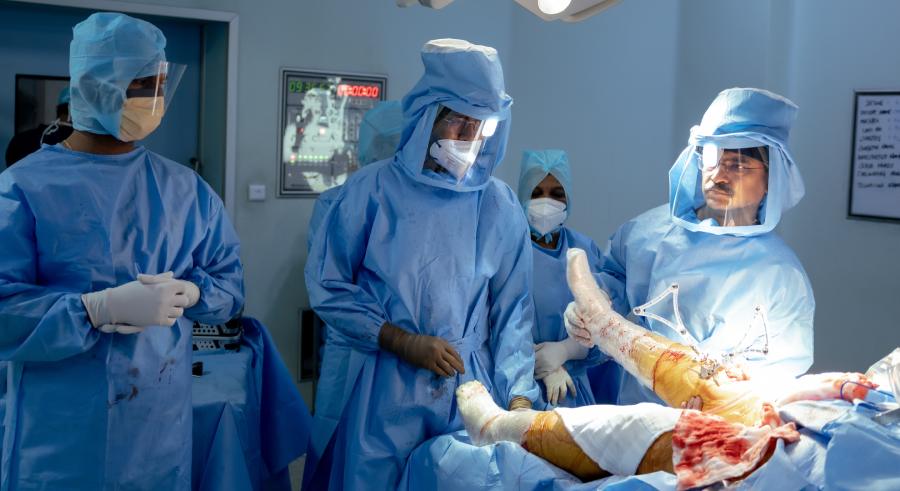
Robotic joint replacement is an advanced surgical approach that combines a surgeon’s expertise with computer-guided technology to improve procedural accuracy. Detailed imaging is used before surgery to create a three-dimensional model of the patient's joint. This allows surgeons to study anatomy in greater detail and build an individualized surgical plan before entering the operating room.
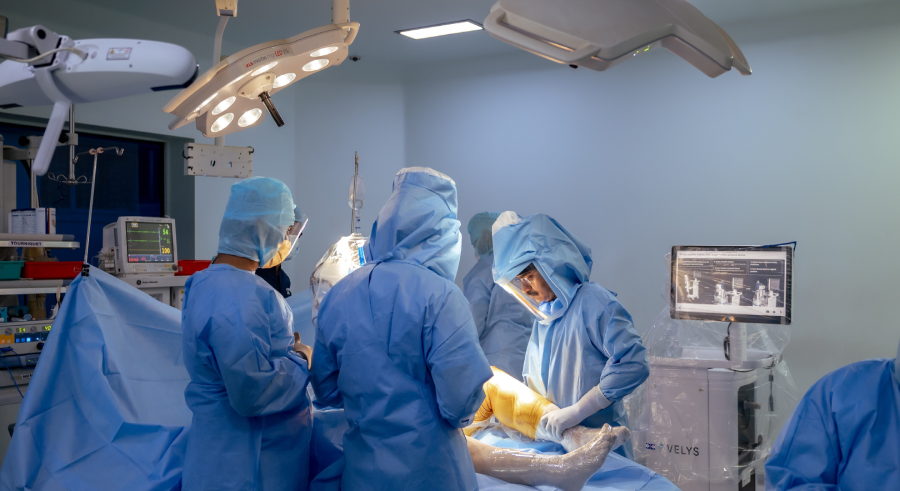
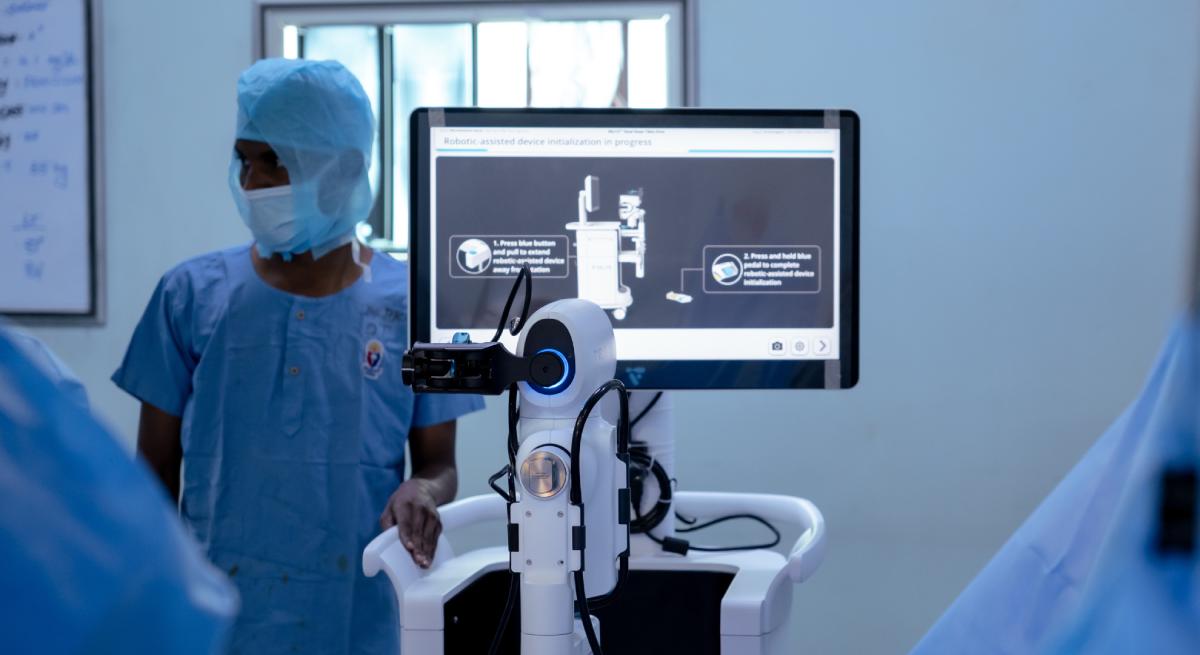
During the procedure, robotic technology provides real-time guidance for implant positioning and bone preparation. The surgeon remains in complete control throughout surgery, using technology as an aid rather than a replacement.
The increasing focus on the benefits of robotic joint replacement reflects the shift toward precision-driven and patient-specific orthopedic care.
Benefits of Robotic Joint Replacement in Surgical Precision
Precision is one of the most important factors in joint replacement surgery. Even small differences in implant placement can affect joint movement, alignment, and overall function.
Some important benefits of robotic joint replacement include:
- Better knee alignment and movement
- Personalized surgical planning based on your knee anatomy
- Improved balance and stability of the knee joint
- Better knee function after surgery
- Support for longer implant performance
- No pre-operative CT scan required with VELYS Robotic-Assisted Solution
- Supports early recovery and rehabilitation
Accurate implant placement helps create a joint that functions more naturally after surgery.
Better Implant Alignment
Proper implant alignment plays a major role in movement and long-term performance. Uneven positioning may increase stress across the joint and affect functional outcomes.
Robotic systems help surgeons:
- Evaluate anatomy with greater detail
- Make precise intraoperative adjustments
- Improve implant positioning according to individual anatomy
Among the major benefits of robotic joint replacement, improved alignment can support better mobility and functional recovery.
Personalized Surgical Planning
Traditional surgical techniques often rely on generalized measurements. Robotic-assisted surgery introduces a greater degree of customization.
Preoperative planning allows specialists to evaluate:
- Bone structure
- Joint condition
- Areas of cartilage damage
- Alignment variations
- Functional movement patterns
One of the significant benefits of robotic joint replacement is the ability to create a treatment strategy based on the patient's specific anatomy rather than a standard approach. This level of personalization supports more informed decision-making before the procedure begins.
How Robotic Technology Supports Recovery
Recovery remains an important consideration for patients undergoing joint replacement surgery. While multiple factors influence healing, precision during surgery can affect the postoperative experience.
Reduced Soft Tissue Disruption
Robotic systems help surgeons operate within carefully planned boundaries, allowing more controlled surgical movements.
Potential advantages include:
- Reduced disruption to surrounding muscles
- Preservation of healthy tissues
- Controlled bone preparation
- Improved surgical consistency
Reduced tissue disruption is one of the practical benefits of robotic joint replacement because healthy tissues contribute significantly to recovery.
Less Postoperative Discomfort
Some patients may experience improved comfort after surgery due to more accurate surgical execution and reduced tissue handling.
Possible outcomes include:
- Better early mobility
- Reduced discomfort during recovery
- Improved participation in rehabilitation
- Greater confidence with movement
These recovery-related benefits of robotic joint replacement may help improve the overall patient experience.
Faster Return to Daily Activities
While recovery timelines differ among individuals, improved precision can support rehabilitation progress.
Potential recovery advantages include:
- Earlier walking ability
- Better movement confidence
- Improved participation in physiotherapy
- Return to routine activities sooner
The benefits of robotic joint replacement are increasingly associated with supporting smoother recovery pathways.
Dr Arumugam’s Surgical Philosophy
Beyond robotic technology, surgical technique and approach also influence patient outcomes. As part of his surgical philosophy, Dr Arumugam follows a no-tourniquet technique in joint replacement procedures. Avoiding routine tourniquet use may help support improved comfort and early mobility after surgery while aligning with a patient-centered and precision-focused approach.
The Importance of Surgical Expertise
Technology continues to improve orthopedic procedures, but surgical expertise remains central to successful outcomes.
Robotic systems support surgeons by providing:
- Real-time guidance
- Detailed anatomical information
- Enhanced surgical planning
- Data-driven precision
The benefits of robotic joint replacement become most effective when advanced technology is combined with experienced clinical judgment and surgical expertise.
Frequently Asked Questions
Is robotic joint replacement fully automated?
No. The surgeon remains in complete control throughout the procedure while robotic technology provides guidance and precision support.
Does robotic surgery improve accuracy?
Yes. One of the key benefits of robotic joint replacement is improved surgical precision and more accurate implant positioning.
Can robotic surgery improve recovery?
Recovery depends on several factors, but some patients may experience improved mobility and rehabilitation progress.
Is robotic joint replacement suitable for everyone?
Not every patient requires robotic-assisted surgery. Suitability depends on individual anatomy, symptoms, and overall health.
Can robotic surgery improve long-term outcomes?
Accurate implant placement and alignment may help support better joint function over time.
Conclusion
Orthopedic care continues to move toward precision-based and personalized treatment approaches. The benefits of robotic joint replacement extend beyond advanced technology and include improved planning, greater accuracy, enhanced implant positioning, and potentially smoother recovery experiences. Successful outcomes depend on combining innovation with surgical expertise, individualized planning, and patient-focused care.
With over 27+ years of experience, more than 12,000 surgeries, 8,000+ joint replacements, and extensive expertise in robotic-assisted procedures, Dr Arumugam combines advanced technology with evidence-based surgical techniques to help patients achieve improved mobility, functional recovery, and long-term joint health.