How Robotic Technology Helps Achieve Better Robotic Implant Positioning

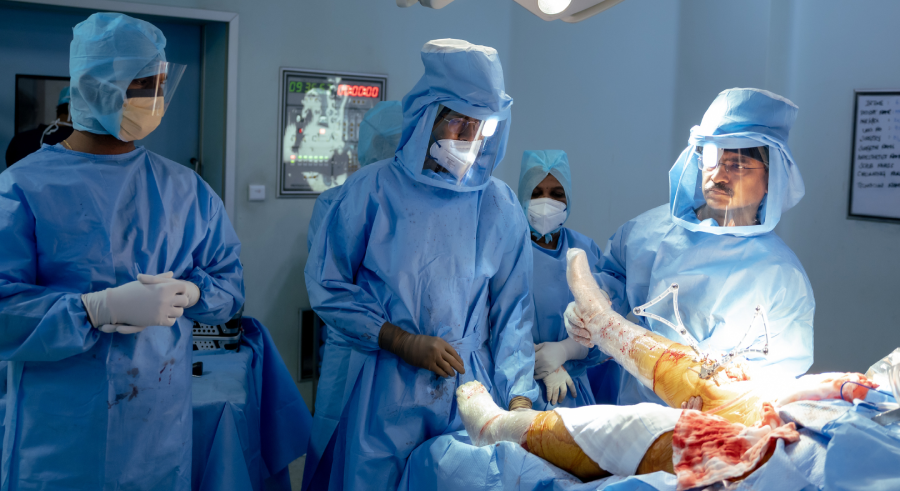
Knee replacement surgery has evolved with technology, allowing surgeons to achieve greater precision than ever before. One of the most significant advancements is Robotic knee replacement, which helps surgeons plan and position the knee implant according to each patient's unique anatomy. Instead of relying only on conventional measurements, robotic systems provide detailed information that supports accurate implant placement while keeping the surgeon in complete control. Since every person's bone structure, joint wear, and leg alignment are different, robotic implant positioning offers a personalized approach that may improve joint balance, implant alignment, and overall knee function after surgery.
Why Robotic Implant Positioning Matters
The position of a knee implant has a direct influence on how the joint functions after surgery. An implant that is aligned according to the patient's anatomy can help the knee move more naturally and distribute forces evenly across the joint.
Accurate positioning may help support:
- Better joint alignment
- Improved knee stability
- Balanced movement during daily activities
- Reduced stress on surrounding tissues
- Consistent implant placement
- Long-term implant performance
- Reduced blood loss during surgery
- Lower post-operative pain
- Potential for a shorter hospital stay
- Support for faster early recovery
While many factors influence the outcome of knee replacement, precise implant positioning remains one of the most important components of a successful procedure.
Every Knee Has a Unique Alignment
No two knees are identical. Many people naturally have a slight inward or outward leg alignment rather than perfectly straight legs. Bone shape, cartilage wear, ligament tension, and joint mechanics also differ from person to person.
Robotic implant positioning allows the surgeon to assess these individual differences before surgery. Rather than following a one-size-fits-all approach, the implant can be planned according to the patient's natural anatomy.
This personalized planning helps create a knee replacement that works with the patient's body instead of forcing every knee into the same alignment.
How Does It Works?
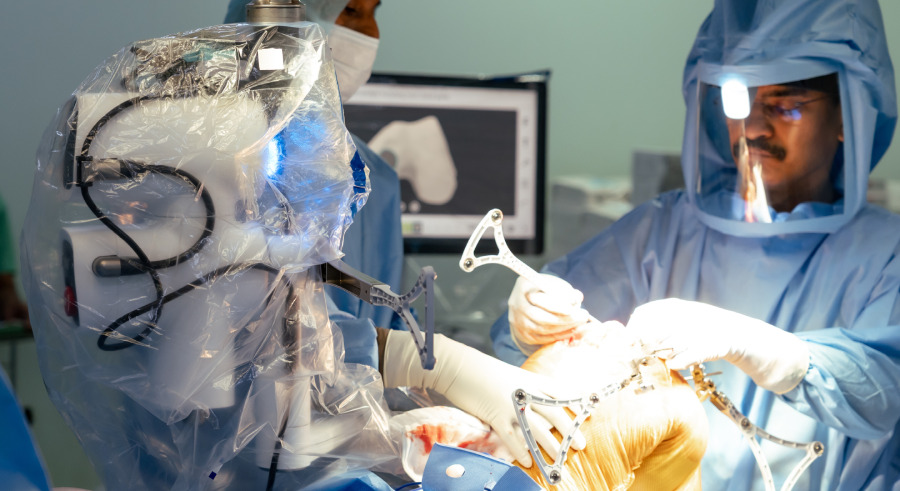
Modern robotic systems combine advanced imaging, computer-assisted planning, and real-time surgical guidance.
Before surgery, the system evaluates the patient's knee to create a detailed surgical plan. During the procedure, robotic implant positioning provides continuous feedback, helping the surgeon position the implant exactly as planned.
The robotic system assists by providing information about:
- Bone anatomy
- Implant size
- Joint alignment
- Ligament balance
- Knee movement throughout the procedure
The surgeon performs every step of the operation while using robotic guidance to improve precision.
Greater Precision During Bone Preparation
Bone preparation is one of the most critical stages of knee replacement surgery.
With robotic implant positioning, the surgeon can accurately plan:
- Angle of bone cuts
- Depth of bone cuts
- Bone removal required for implant placement
This precision helps preserve healthy bone while preparing the joint for the implant. Because the robotic system continuously tracks the surgical instruments, adjustments can be made whenever required to match the planned implant position.
Personalized Implant Placement
One of the greatest advantages of robotic implant positioning is personalization.
Every patient's knee has unique characteristics, including:
- Natural leg alignment
- Bone dimensions
- Joint wear patterns
- Soft tissue balance
Instead of applying identical measurements to every patient, robotic technology allows implant positioning that reflects the individual's anatomy.
This personalized approach may contribute to:
- Better joint balance
- Improved comfort after recovery
- More natural knee movement
- Better functional outcomes
By considering the patient's natural alignment, surgeons can make informed decisions that support long-term knee function.
Real-Time Guidance Improves Surgical Accuracy
Unlike conventional methods, robotic systems continuously monitor the position of the surgical instruments during the operation.
Real-time robotic implant positioning helps the surgeon:
- Verify implant placement
- Maintain planned alignment
- Fine-tune bone preparation
- Check knee movement before final implantation
The technology serves as a guidance system rather than replacing the surgeon. Every surgical decision remains under the surgeon's control.
Is Robotic Knee Replacement Safe?
Robotic-assisted knee replacement is a well-established advancement in orthopedic surgery when performed by an experienced surgeon.
Robotic implant positioning improves precision by helping the surgeon:
- Plan accurate implant placement
- Guide the angle and depth of bone cuts
- Evaluate knee balance during surgery
- Maintain consistent alignment throughout the procedure
The robotic system does not perform the operation independently. It simply provides advanced guidance while the surgeon carries out the procedure.
Can Better Implant Positioning Support Recovery?
Recovery depends on several factors, including overall health, rehabilitation, muscle strength, and commitment to physiotherapy. However, robotic implant positioning may contribute to recovery by helping achieve balanced alignment and stable implant placement.
Many patients gradually return to routine activities following rehabilitation. Depending on individual flexibility, healing, and overall condition, some patients may also regain the ability to sit cross-legged after recovery.
Frequently Asked Questions
Does robotic implant positioning mean a robot performs the surgery?
No. The surgeon performs the entire operation. The robotic system only provides planning and guidance to improve surgical precision.
Why is robotic implant positioning important?
Robotic implant positioning helps align the implant according to the patient's anatomy, which may support better joint balance, movement, and implant function.
Is robotic knee replacement more accurate?
Robotic technology provides real-time guidance and detailed planning, allowing surgeons to achieve greater accuracy in implant positioning compared to conventional techniques.
Can everyone undergo robotic knee replacement?
Not every patient requires robotic-assisted surgery. A detailed assessment by an orthopedic surgeon determines the most appropriate treatment based on the individual's condition.
Does robotic implant positioning guarantee better outcomes?
No surgical technology can guarantee results. However, it provides greater precision in implant placement, which may support improved alignment and functional recovery when combined with proper rehabilitation.
Conclusion
For patients considering robotic-assisted knee replacement, the experience of the surgical team remains just as important as the technology itself. Dr. S. Arumugam and team combine extensive orthopedic expertise with advanced robotic-assisted techniques to provide personalized care and precise implant positioning, helping patients achieve improved knee function and confidence throughout their treatment journey.