Why Surgeon Experience Matters More Than the Robot in Robotic Surgery

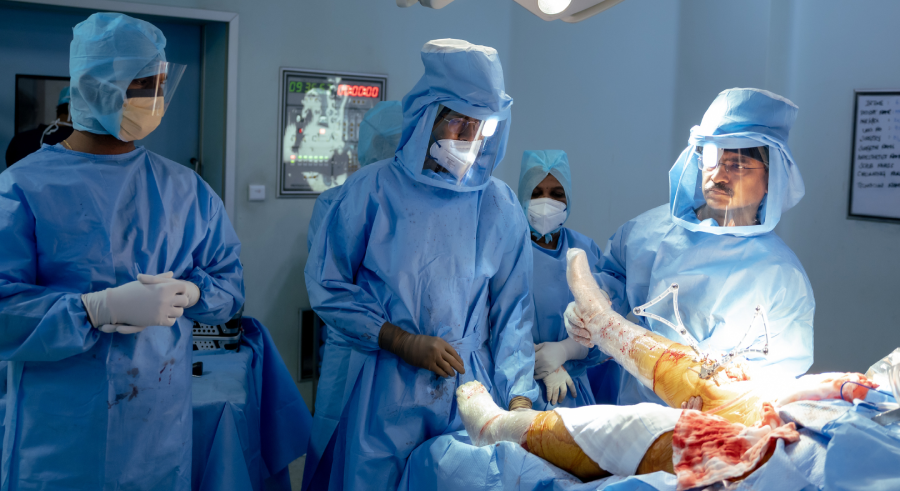
Robotic knee replacement has changed how surgeons plan and perform knee surgery. But does surgeon experience matter in robotic surgery? Absolutely. Robotic systems can assist with planning, alignment, bone preparation and implant positioning, but they do not replace the surgeon's clinical judgment.
The surgeon still evaluates the patient's knee, understands the anatomy, interprets the technology's information and makes decisions throughout the procedure. The best results come from combining advanced technology with sound surgical expertise.
Does Surgeon Experience Matter in Robotic Surgery?
Does surgeon experience matter in robotic surgery when advanced technology is available? It certainly does. The surgeon evaluates the patient's knee, studies the anatomy, plans the procedure and decides how the robotic system should be used.
During robotic knee replacement, the surgeon is responsible for:
- Assessing arthritis and knee deformity
- Understanding bone and soft-tissue anatomy
- Planning alignment and implant positioning
- Evaluating ligament balance
- Interpreting robotic data
- Making surgical adjustments when required
- Performing the procedure
This explains whether surgeon experience matters in robotic surgery: technology provides information, but the surgeon decides how that information should guide the operation.
Why Surgeon Experience Still Matters
Patients may have different levels of arthritis, deformity, bone loss, ligament changes or previous injuries. A robotic system can provide detailed information about the patient's anatomy, but an experienced surgeon must interpret that information in the context of the patient's condition.
This is where surgical experience becomes important.
A surgeon who has performed a large number of knee replacement procedures is likely to have encountered a wide range of anatomical variations and surgical situations. That experience helps with planning, decision-making and responding to findings during surgery.
In simple terms, the robot supports precision, while the surgeon provides the judgment behind that precision.
How VELYS Supports an Experienced Surgeon
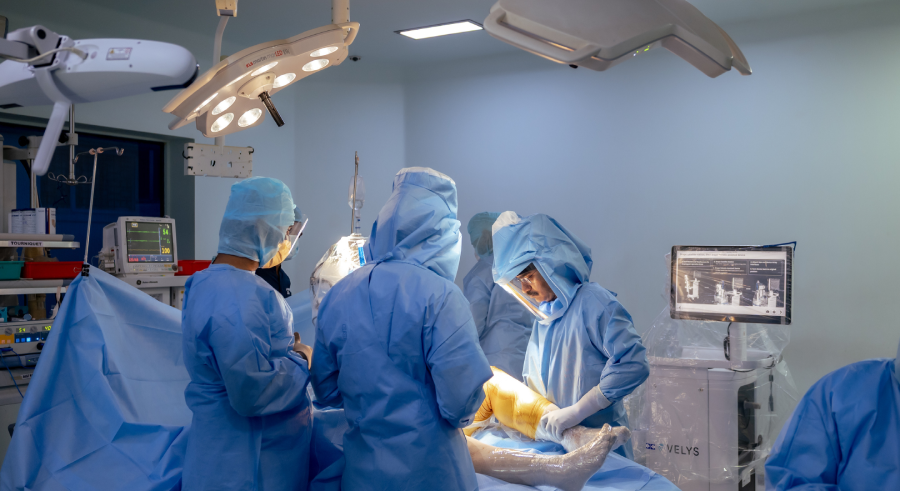
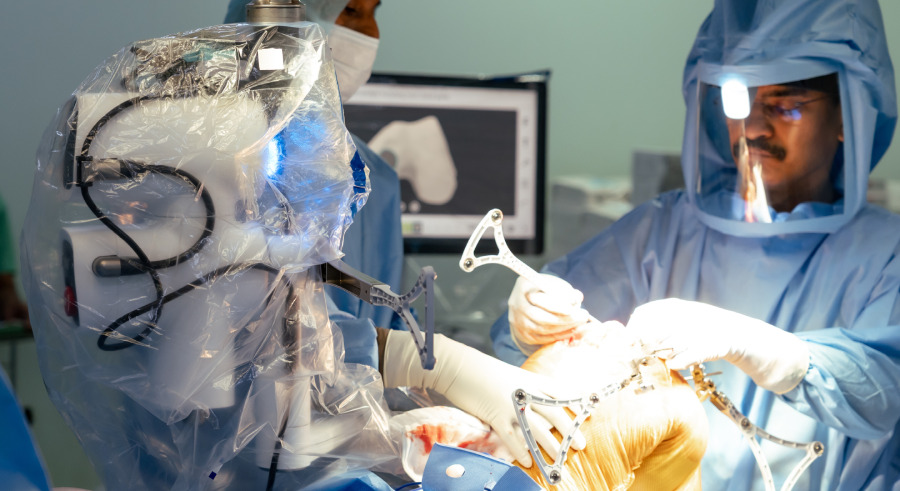
The VELYS Robotic-Assisted Solution adds another layer of information and precision to robotic knee replacement. Using infrared tracking and sensors integrated into the saw system, VELYS tracks knee movement in real time and helps generate a detailed 3D representation of the joint. This information allows the surgeon to understand the knee more precisely during surgery.
The ACCUBALANCE graph provides information about ligament tension and alignment. The surgeon can assess knee balance and refine the surgical plan before making the bone cuts.
This technology demonstrates why surgeon experience matters in robotic surgery is not an either-or question. The system provides measurable data, while the surgeon interprets that information and decides how it should be applied to the patient's individual anatomy.
Does Surgeon Experience Matter in Robotic Surgery When Technology Is Highly Advanced?
Does surgeon experience matter in robotic surgery even when the robotic system provides highly detailed information? Yes, because technology cannot independently understand the patient's complete clinical situation.
Surgical Planning
Before surgery, the surgeon evaluates symptoms, imaging, deformity and joint condition. This assessment helps determine whether robotic-assisted knee replacement is appropriate.
Decisions During Surgery
A surgical plan may sometimes need adjustment after the procedure begins. The surgeon may encounter anatomical findings that require a change in approach. Does surgeon experience matter in robotic surgery in these situations? It can be especially important because the surgeon must recognise the situation and make an informed decision.
Managing Different Knee Conditions
Complex knee conditions may require experience beyond following a standard surgical plan. This is another reason why surgeon experience matters in robotic surgery should be considered when choosing a surgeon.
What Should Patients Look For?
Patients should not select a robotic knee replacement surgeon only because a hospital has a robotic system.
They can ask:
- How many knee replacement procedures has the surgeon performed?
- How experienced is the surgeon with robotic-assisted procedures?
- Which robotic system is used?
- How is robotic surgery selected for each patient?
- How are alignment and ligament balance assessed?
- How are complex knee conditions managed?
These questions help explain whether a surgeon's experience matters in robotic surgery from a patient's perspective. The technology matters, but the surgeon using it matters as well.
Dr. Arumugam's Experience With Robotic Knee Replacement
Dr. Arumugam has 27 years of orthopedic experience and has performed 1,000+ robotic knee surgeries. His experience includes using advanced robotic technology as part of carefully planned knee replacement procedures.
He also consults at Chennai Ortho, where appropriate patients can be evaluated for knee replacement options, including robotic-assisted procedures.
His approach reflects the principle that technology should enhance surgical expertise rather than replace it. In this setting, does surgeon experience matter in robotic surgery? It remains an important consideration because technology works through the decisions and expertise of the surgeon.
Frequently Asked Questions
Does surgeon experience matter in robotic surgery?
Yes. The surgeon remains responsible for assessment, planning, decision-making and performing the procedure. Robotic technology supports these steps but does not replace the surgeon.
Is robotic knee replacement performed entirely by a robot?
No. The surgeon performs the operation with assistance from the robotic system. Does surgeon experience matter in robotic surgery even when the system provides real-time information? Yes, because the surgeon interprets the information and controls the procedure.
Is robotic knee replacement always better?
Not necessarily. Robotic technology can assist with planning, alignment and implant positioning, but the appropriate approach depends on the patient's condition and the surgeon's assessment.
Conclusion
Does surgeon experience matter in robotic surgery? The answer is clear: advanced technology and experienced surgical judgment work best together. VELYS Robot can provide detailed information, real-time tracking and support for precise surgical planning. The surgeon like Dr. S. Arumugam brings clinical judgment, experience and the ability to adapt the procedure to the patient's individual knee.
For anyone considering robotic knee replacement, the question should not only be, “Which robotic system is being used?” It should also be, “Who is performing my surgery, and how much experience do they have?” With 27 years of orthopedic experience and 1,000+ robotic knee surgeries, Dr. S. Arumugam combines surgical expertise with advanced robotic-assisted technology to approach knee replacement with careful planning and clinical judgment.