Yoga With Knee Pain or Arthritis: Safe Asanas Recommended by an Orthopedic Surgeon
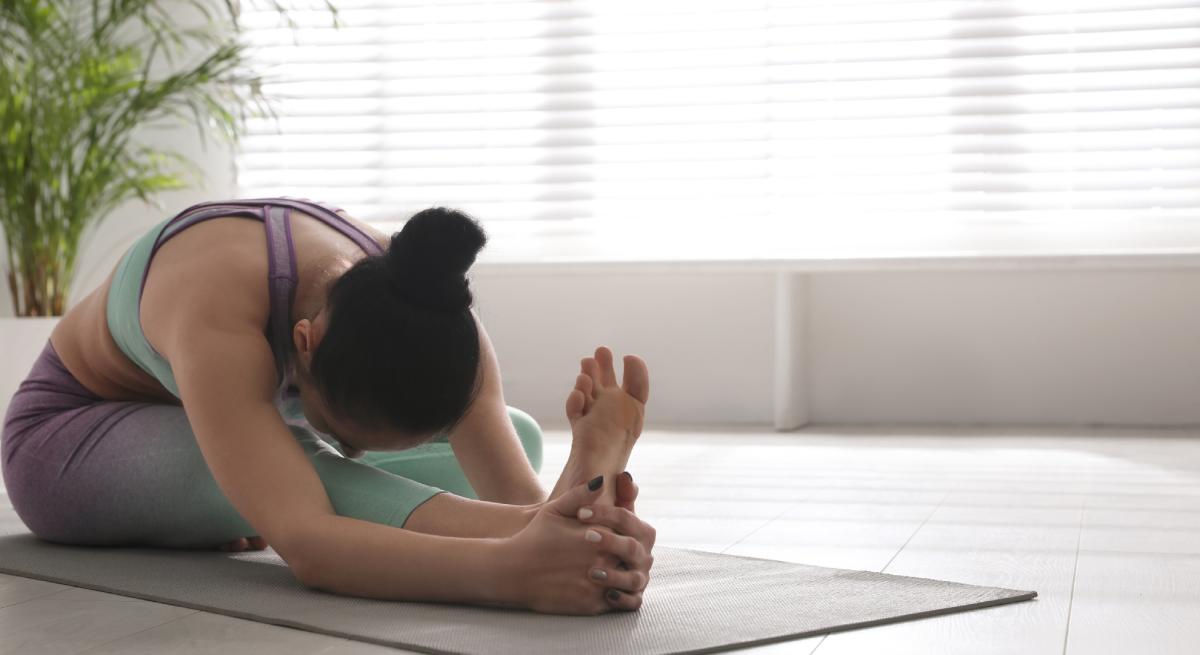
Knee pain does not always mean giving up physical activity. For people with arthritis, stiffness or age-related joint changes, gentle movement can help maintain flexibility, muscle strength and joint function. However, choosing the right exercises is important. Yoga with knee pain requires attention to posture, movement range and pressure on the knee joint.
Some yoga poses may support mobility, while others can increase joint stress, particularly when cartilage is damaged. The aim is not to perform difficult poses but to practise movements suited to the knee's condition. Understanding how to approach yoga with knee pain can help individuals avoid unnecessary strain.
From an orthopedic perspective, yoga for knee arthritis can complement treatment when adapted to the individual's symptoms and physical ability.
Is Yoga With Knee Pain Safe for People With Arthritis?
Yoga can be suitable for people with knee pain, including osteoarthritis, provided the exercises are selected carefully. Gentle movements may help maintain flexibility, strengthen supporting muscles and reduce stiffness.
However, not all yoga asanas for knee pain are suitable for everyone. Positions involving deep bending, twisting or prolonged pressure can increase discomfort.
Before starting yoga with knee pain, consider:
- Severity of knee pain and stiffness.
- Available range of knee movement.
- Previous knee injuries or surgeries.
- Ability to maintain balance and proper posture.
People with significant swelling, severe pain or difficulty bearing weight should seek medical assessment first.
6 Safe Yoga Asanas for Knee Pain
The following safe yoga asanas may be suitable for people with mild to moderate knee discomfort. When practising yoga with knee pain, perform each movement within a comfortable range without forcing the joint.
1. Tadasana (Mountain Pose)
Tadasana encourages better standing posture, balance and weight distribution.
How to perform:
- Stand with feet comfortably apart.
- Keep the knees relaxed without locking them.
- Distribute weight evenly across both feet.
- Keep the spine upright and shoulders relaxed.
- Hold for 15–20 seconds.
2. Setu Bandhasana (Bridge Pose)
This pose activates the gluteal muscles, hamstrings and muscles around the hips.
How to perform:
- Lie on your back with knees bent and feet on the floor.
- Keep feet hip-width apart.
- Slowly lift your hips.
- Avoid allowing the knees to fall inward.
- Lower slowly.
Why it helps: It strengthens muscles that support lower-limb stability.
3. Virabhadrasana I (Modified Warrior Pose)
A modified Warrior Pose can help develop lower-body strength without requiring deep knee bending.
How to perform:
- Stand with one foot forward and the other behind.
- Keep the front knee slightly bent.
- Align the knee with the foot.
- Use a wall or chair for support if needed.
4. Vrikshasana (Tree Pose)
Tree Pose helps develop balance and coordination.
How to perform:
- Stand near a wall or chair.
- Shift your weight gently onto one leg.
- Place the other foot against the inner ankle or lower calf.
- Avoid putting pressure directly on the knee.
- Hold briefly and switch sides.
5. Supta Padangusthasana (Reclining Hand-to-Big-Toe Pose)
This reclining pose stretches the hamstrings without placing body weight directly on the knee.
How to perform:
- Lie on your back.
- Lift one leg gently.
- Use a yoga strap or towel around the foot.
- Keep a slight knee bend if needed.
- Stop when you feel a comfortable stretch.
6. Marjaryasana-Bitilasana (Modified Cat-Cow Pose)
Cat-Cow encourages gentle spinal movement and can be adapted for sensitive knees.
How to perform:
- Sit comfortably or use a chair for support.
- Slowly arch and round your upper back.
- Coordinate movement with breathing.
- Avoid kneeling if your knees are sensitive.
Yoga Poses to Avoid With Knee Pain or Arthritis
Some yoga poses can place excessive pressure on the knee, particularly when cartilage damage or restricted mobility is present. People with knee arthritis should be cautious with:
- Padmasana (Lotus Pose): Deep bending and rotation can stress the knee.
- Vajrasana (Thunderbolt Pose): Prolonged kneeling increases pressure around the joint.
- Malasana (Deep Squat Pose): Deep knee flexion may aggravate symptoms.
- Virabhadrasana II (Warrior Pose II): A deep lunge may overload the knee.
- Balasana (Child's Pose): Deep bending can be uncomfortable with restricted mobility.
These poses may need to be avoided or modified depending on the individual's condition. Anyone practising yoga with knee pain should avoid forcing the knee into deep or uncomfortable positions.
Precautions When Practising Yoga With Knee Pain
Safe practice depends on correct posture and controlled movement. Always practise yoga under the guidance of a qualified trainer also keep these precautions in mind when choosing yoga with knee pain:
- Start with short sessions.
- Avoid sudden movements and forced stretching.
- Use cushions, yoga blocks or chairs for support.
- Maintain alignment between the knees and feet.
- Stop if a movement causes sharp pain or swelling.
- Avoid exercising during significant inflammation without medical advice.
If discomfort continues after exercise, consult a doctor or physiotherapist before continuing.
Can Yoga Reverse Knee Arthritis?
Yoga cannot reverse osteoarthritis or restore lost cartilage. However, suitable yoga exercises for knee pain can help maintain joint mobility, strengthen supporting muscles and improve physical function.
Treatment depends on cartilage damage, joint alignment and symptom severity. Some patients benefit from exercise and physiotherapy, while those with advanced arthritis may require further medical treatment, including knee replacement surgery.
Frequently Asked Questions
1. Can I do yoga if I have knee osteoarthritis?
Yes. Modified yoga may be suitable for people with knee osteoarthritis, provided the poses do not cause pain or excessive bending. Consult a doctor or physiotherapist before starting.
2. Which yoga is best for knee pain?
Tadasana, supported by Vrikshasana and Setu Bandhasana may be suitable for some individuals. The choice of yoga poses for knee pain depends on the underlying joint condition.
3. Should I stop yoga if my knees hurt during a pose?
Yes. Stop if you experience sharp pain, increased discomfort or swelling. Never force the knee into a position.
4. Can yoga strengthen the muscles around the knee?
Certain yoga poses engage the quadriceps, hamstrings and gluteal muscles, which help support knee function.
5. Can yoga replace treatment for knee arthritis?
No. Yoga for knee arthritis can complement treatment but cannot replace medical care, physiotherapy or surgery when clinically required.
Conclusion
Yoga can complement knee care when movements are selected according to the individual's joint condition. However, understanding the cause and severity of knee pain is important before beginning an exercise routine.
Dr. S. Arumugam, a senior orthopedic surgeon with over 27 years of experience, and his team emphasise proper assessment before recommending physical activity. Patients can then make informed decisions about suitable exercises and appropriate treatment for their knee condition.