How Patient specific alignment in Robotic knee replacement Is Changing Joint Replacement Surgery

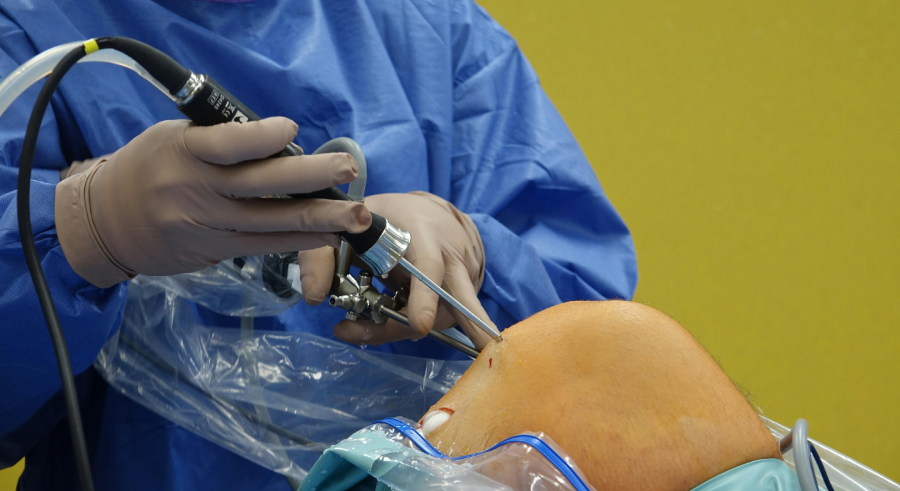
Knee replacement surgery has advanced significantly over the past decade. While conventional techniques have helped millions of people regain mobility, modern technology has introduced a more personalized approach through patient-specific alignment in robotic knee replacement. Instead of following a standard alignment for every patient, robotic technology allows surgeons to understand each person's unique anatomy and plan implant positioning accordingly.
Every individual has a different natural leg alignment. Some people naturally have a slight inward or outward alignment, and a perfectly straight leg is actually uncommon. The goal of patient-specific alignment in robotic knee replacement is to recreate the patient's natural anatomy rather than forcing every knee into the same mechanical position.
This personalized approach has become one of the most important advancements in Robotic Knee Replacement, helping surgeons achieve greater precision while supporting a comfortable recovery.
Understanding Patient-Specific Alignment
One of the biggest misconceptions about knee replacement surgery is that every patient's leg should be perfectly straight after surgery. In reality, every person has a unique alignment that develops naturally over time. The Robotic machine evaluates the position of the bones, joint movement, and soft tissue balance, allowing the surgeon to create a surgical plan tailored to the individual.
Instead of relying solely on conventional alignment guides, the robotic platform provides real-time data that helps the surgeon make highly accurate adjustments before the implant is placed.
The objective is not simply achieving a straight leg but restoring an alignment that closely matches the patient's natural biomechanics.
Why Robotic Knee Replacement Makes This Possible
Conventional knee replacement relies on standard instruments and manual measurements. Although these techniques have delivered successful outcomes for many years, they have limitations when it comes to individual anatomical variations.
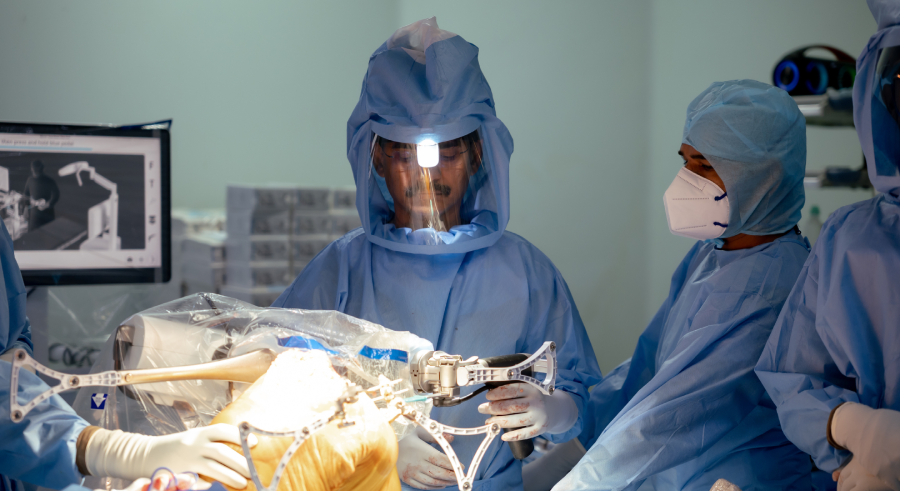
Patient-specific alignment in robotic knee replacement combines the expertise of the surgeon with advanced robotic assistance. The robot does not perform the surgery independently. Instead, it provides detailed information that enables the surgeon to make informed decisions with greater precision.
Modern robotic systems can:
- Analyze each patient's unique anatomy
- Measure natural leg alignment accurately
- Assist with precise implant positioning
- Support balanced soft tissue management
- Help preserve healthy bone wherever appropriate
- Provide real-time feedback throughout the procedure
This level of precision is difficult to achieve consistently with conventional methods alone.
Benefits of Robotic knee replacement
The biggest advantage of patient-specific alignment in Robotic knee replacement is personalization. Since the implant is positioned according to the patient's own anatomy, the knee is designed to function in a way that feels more natural after surgery.
Potential benefits include:
- More accurate implant positioning
- Improved joint alignment
- Personalized surgical planning
- Reduced blood loss during surgery
- Less disruption to surrounding tissues
- Greater precision throughout the procedure
- Comfortable early recovery for many patients
- Better restoration of natural knee movement
While recovery differs for every patient, many individuals experience greater confidence during rehabilitation because the procedure is planned according to their specific anatomy.
Real-World Results with Robotic Knee Replacement
Clinical experience has demonstrated how patient-specific alignment in robotic knee replacement can positively influence patient recovery.
For example, patients who undergo robotic knee replacement are often able to begin walking within a short period after surgery under medical supervision. Some patients who have undergone replacement of both knees have demonstrated excellent early mobility during follow-up visits.
Although recovery timelines vary depending on age, overall health, and rehabilitation, robotic technology helps surgeons perform the procedure with exceptional accuracy, contributing to predictable surgical outcomes.
A Patient's Journey Back to Cycling
Every patient's goal after knee replacement is different. One of Dr. S. Arumugam's patients, who discovered a passion for long-distance cycling after retirement, found that severe knee arthritis was limiting every ride.
After undergoing robotic knee replacement and completing rehabilitation, he gradually returned to cycling and went on to participate in endurance rides across India, including the iconic Kashmir-to-Kanyakumari route.
While every patient's recovery is unique, this journey reflects the purpose of patient-specific alignment in robotic knee replacement helping restore natural knee function so patients can return to the activities that matter most to them.
Why Surgeon Experience Still Matters
While robotic technology offers advanced planning and precision, successful outcomes depend on the surgeon's expertise.
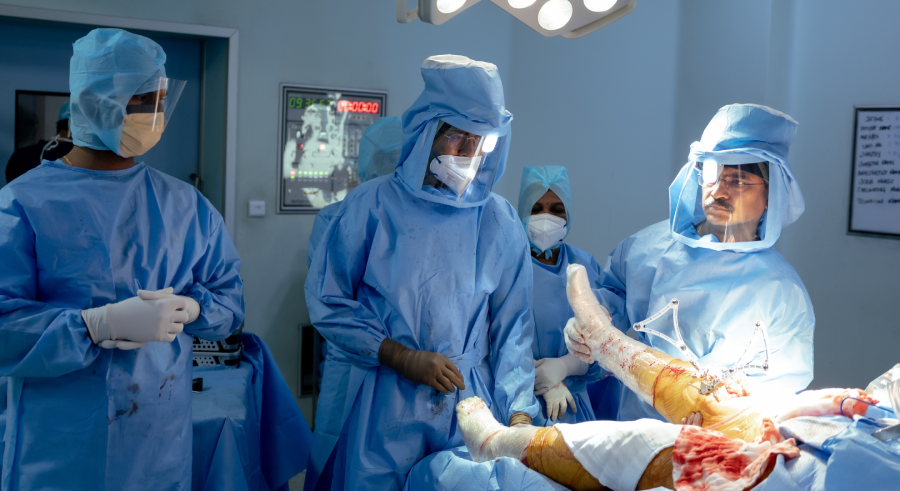
The robotic system provides measurements, alignment data, and guidance, but every surgical decision remains under the control of the orthopedic surgeon.
Dr. S. Arumugam has more than 27 years of orthopedic experience and has performed over 8,000 joint replacement surgeries, including 1,000+ robotic knee replacement procedures. Having treated more than 20,000 patients from India and abroad, he combines extensive clinical expertise with advanced robotic technology to deliver personalized treatment for each patient.
His experience as faculty at international orthopedic conferences also reflects his commitment to staying at the forefront of modern joint replacement techniques.
Is Patient-Specific Alignment Right for Everyone?
Not every patient requires the same surgical approach, and every case of knee arthritis is different.
People experiencing severe knee pain, advanced osteoarthritis, stiffness, deformity, or difficulty performing everyday activities may benefit from an evaluation to determine whether patient-specific alignment in Robotic knee replacement is an appropriate treatment option.
A detailed clinical examination and imaging studies help the surgeon understand the condition of the knee and recommend the most suitable treatment plan.
Conclusion
Modern joint replacement is moving beyond a one-size-fits-all approach. patient-specific alignment in robotic knee replacement allows surgeons to understand each patient's unique anatomy and position the implant with greater precision. By recreating natural alignment rather than applying a standard mechanical position, robotic technology supports personalized treatment for every individual.
When combined with an experienced orthopedic surgeon, patient-specific alignment in robotic knee replacement offers a more precise, data-driven approach to knee replacement surgery. As robotic technology continues to evolve, personalized alignment is becoming an important advancement in helping patients regain mobility and return to their daily activities with confidence.