Slip Disc vs Sciatica: Understanding the Real Cause of Nerve Pain
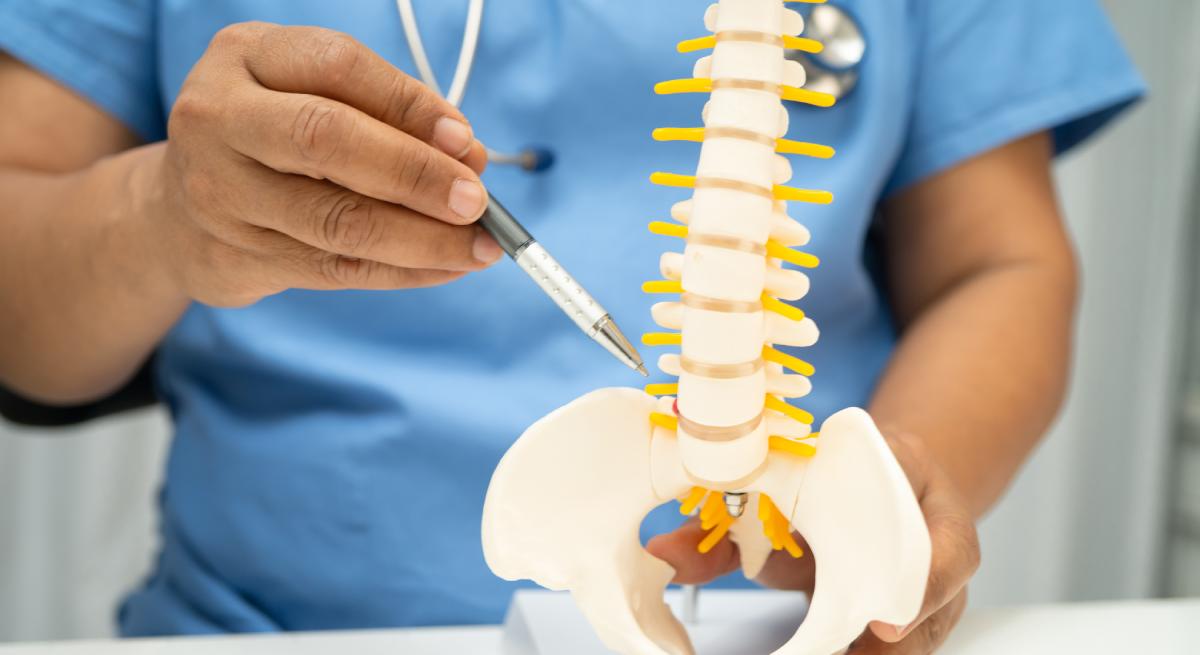
Pain that begins in the lower back and extends into the leg can affect routine activities such as walking, sitting, or even sleeping comfortably. Many people searching for slip disc vs sciatica assume both terms describe the same condition. This misunderstanding is very common. While they are closely connected, they are not identical. A slip disc refers to a problem affecting the spinal disc, whereas sciatica describes symptoms that occur when the sciatic nerve becomes irritated or compressed. Knowing the difference can help patients avoid confusion and seek the right treatment at an early stage.
Why Understanding Slip Disc vs Sciatica Matters
Patients frequently focus on the location of pain rather than its origin. However, pain travelling into the leg does not always mean the same thing.
Understanding slip disc vs sciatica matters because proper diagnosis helps determine:
- The real cause of symptoms
- Whether nerve compression is present
- The most suitable treatment approach
- If surgery is necessary or not
Many individuals become worried after hearing terms like slipped disc, but orthopedic evaluation looks beyond labels and focuses on overall function and nerve health.
Slip Disc vs Sciatica: What Is the Main Difference?
To understand slip disc vs sciatica, imagine a disc problem as a possible source and sciatica as a signal produced by the body.
Spinal discs sit between the bones of the spine and act as cushions. They absorb pressure during movement and help maintain flexibility. Over time, these discs may weaken due to aging, repetitive stress, poor posture, or injury.
When part of a disc moves beyond its normal position, it can create pressure around nearby nerves. This condition is often referred to as a slipped or herniated disc.
Sciatica, on the other hand, is not a disease itself. It is a collection of symptoms that develops when the sciatic nerve becomes irritated.
Key differences between slip disc and sciatica
Slip Disc
- A spinal condition
- May create local lower back pain
- Can press against nerves
- Sometimes causes no symptoms
Sciatica
- A nerve-related symptom pattern
- Usually causes pain extending into the leg
- Commonly affects one side of the body
- Can develop from different conditions
Understanding slip disc vs sciatica helps patients avoid assuming that every episode of back pain automatically means severe spinal disease.
Why Scan Reports Can Sometimes Create Confusion
Many patients feel concerned after reading MRI reports mentioning disc bulges or spinal changes.
However, imaging findings alone do not always explain symptoms.
Orthopedic specialists often see patients with visible disc changes who continue normal activities without pain. At the same time, others with relatively minor changes may experience significant discomfort.
Doctors usually assess:
- Symptom intensity
- Nerve function
- Muscle strength
- Walking ability
- Daily activity limitations
- Duration of symptoms
In cases involving slip disc vs sciatica, the goal is not simply treating a scan result but understanding how symptoms affect the patient.
Signs That May Suggest a Slip Disc
Symptoms can vary depending on which spinal area is involved and whether nearby nerves are affected.
Common signs include:
- Lower back discomfort
- Pain during bending or lifting
- Muscle weakness
- Reduced movement
- Tingling sensations
- Stiffness in the back
Symptoms may develop suddenly or gradually over time.
Signs That May Suggest Sciatica
Sciatica usually follows the path of the sciatic nerve.
Symptoms often include:
- Sharp pain running into the leg
- Burning sensation
- Tingling in the foot
- Numbness in the leg
- Pain while sitting for long periods
- Electric shock-like discomfort
Understanding these symptom patterns may make slip disc vs sciatica easier to identify, although proper diagnosis remains important.
Can a Slip Disc Lead to Sciatica?
Yes. One of the most frequent situations seen in slip disc vs sciatica involves a spinal disc pressing against nerve roots in the lower back.
However, sciatica can also occur because of other conditions.
Possible causes include:
- Spinal stenosis
- Bone spur formation
- Degenerative spinal changes
- Piriformis syndrome
- Spine-related injuries
- Narrowing around nerves
This is why two people with similar symptoms may require completely different treatment plans.
Common Misunderstandings About Slip Disc vs Sciatica
Misunderstanding 1: Every back pain means a slipped disc
Back pain can occur due to muscle strain, posture issues, ligament problems, and several other reasons.
Misunderstanding 2: Surgery is always needed
Many patients improve through non-surgical treatment and rehabilitation.
Common treatment options include:
- Physiotherapy
- Activity modifications
- Guided exercises
- Lifestyle adjustments
Misunderstanding 3: Complete rest helps recovery
Long periods of inactivity can reduce muscle strength and may slow recovery in some cases.
When Should Medical Attention Be Considered?
Certain symptoms should not be ignored.
Seek evaluation if you notice:
- Progressive leg weakness
- Difficulty standing or walking
- Increasing numbness
- Loss of bladder control
- Loss of bowel control
- Symptoms that continue despite treatment
Early intervention may reduce the risk of prolonged nerve problems.
Treatment Focuses on the Cause
Treatment for slip disc vs sciatica is based on identifying the reason behind symptoms.
Management may involve:
- Physiotherapy programs
- Guided movement exercises
- Pain management strategies
- Lifestyle changes
- Image-guided procedures
- Surgical treatment in selected cases
Current orthopedic treatment approaches aim to improve mobility while reducing unnecessary procedures.
Frequently Asked Questions
Is sciatica always caused by a slipped disc?
No. Sciatica can develop due to multiple spinal and nerve-related conditions.
Can a slipped disc recover without surgery?
Many mild and moderate cases improve with non-surgical treatment.
Is walking helpful?
Gentle movement may support recovery in some patients, although activity recommendations vary.
How long can symptoms last?
Duration differs depending on severity and the underlying cause.
When is surgery considered?
Surgery may be considered if symptoms persist, nerve weakness develops, or daily activities become significantly affected.
Conclusion
Understanding slip disc vs sciatica helps patients identify the difference between a spinal condition and nerve-related symptoms. Similar symptoms can sometimes arise from different causes, which makes proper assessment important.
With more than 27 years of orthopedic expertise, over 12,000 surgeries completed, and extensive experience in advanced orthopedic care, Dr Arumugam emphasizes accurate diagnosis and evidence-based treatment planning. Early medical attention and a personalized approach can help patients regain movement, reduce discomfort, and improve quality of life.