Why Two Surgeons Can Give Different Advice on Knee Replacement: Understanding a Second Opinion Knee Replacement Consultation

Two orthopedic surgeons may give different knee replacement advice because they assess pain, joint damage, mobility and medical readiness differently. One may recommend surgery, while another may suggest further treatment without an operation. A second opinion knee replacement consultation helps patients understand why recommendations differ and which approach suits their condition.
Different advice does not necessarily mean either surgeon is wrong. Symptoms, examination findings, previous treatments and recovery goals all matter.
Why Surgeons May Recommend Different Knee Treatments
Joint Damage and Symptoms Do Not Always Match
An X-ray can show cartilage loss, reduced joint space or altered alignment. Yet severe-looking arthritis does not always cause severe pain. Some patients remain mobile despite marked changes, while others struggle with relatively modest changes on imaging.
One surgeon may give more weight to joint damage; another may focus on walking ability, sleep and daily function. A second opinion knee replacement assessment can explain how both findings affect the decision.
Surgeons May Consider Different Procedures
When arthritis affects most of the knee, total knee replacement may be appropriate. If damage is limited to one part of the joint and other clinical criteria are met, partial replacement may be considered.
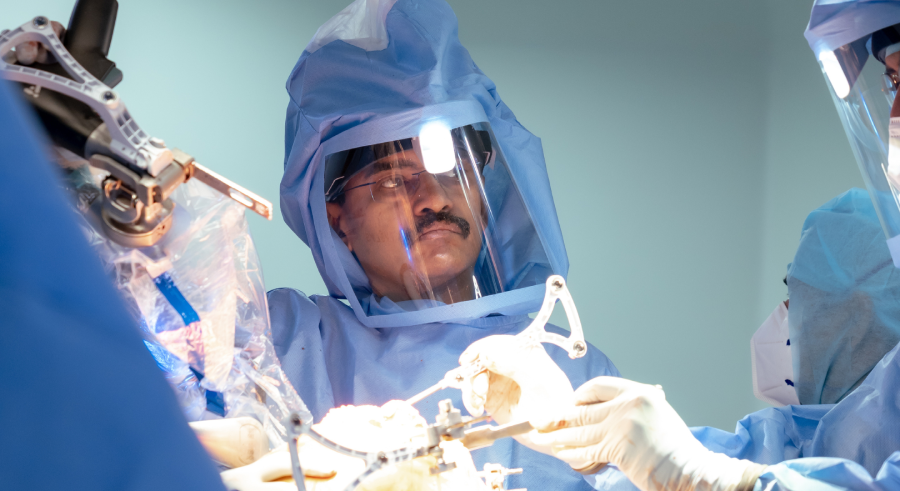
Surgeons may also discuss conventional or robotic-assisted techniques. Robotic assistance can support surgical planning and component positioning, but it does not automatically make surgery necessary. During a second opinion knee replacement consultation, patients should ask why a particular procedure is being recommended.
Timing Depends on More Than an X-ray
One surgeon may advise surgery after persistent symptoms despite treatment. Another may recommend another period of physiotherapy, strengthening or medicine review.
Factors influencing timing include:
- Pain that continues despite appropriate treatment
- Difficulty walking, climbing stairs or sleeping
- Knee stiffness or progressive deformity
- Response to physiotherapy and medicines
- General health and rehabilitation readiness
A second opinion knee replacement evaluation may help determine whether continued non-surgical care remains reasonable.
Medical Conditions Affect Surgical Preparation
Diabetes, heart disease, infection risk and muscle weakness can influence surgical planning. Some patients need better control of medical conditions before an operation. Two surgeons may therefore agree that replacement could help but disagree on when it should take place.
The aim of a second opinion knee replacement assessment is to clarify risks and preparation, not simply to secure approval for surgery.
When a Second Opinion Knee Replacement Consultation Is Useful
Patients may benefit from another assessment when a recommendation seems unclear or when they have been offered noticeably different options. It can be especially helpful if:
- Surgery is advised without discussing non-surgical options.
- One surgeon recommends partial replacement and another suggests total replacement.
- Pain persists even though investigations appear relatively mild.
- A patient is uncertain about recovery, complications or implant expectations.
A second opinion knee replacement consultation may confirm the first recommendation. Confirmation can offer clarity rather than merely another choice.
What Happens During the Assessment
The specialist reviews symptoms, existing X-rays, previous treatments and relevant health conditions. A physical examination may assess alignment, joint movement, stability and walking pattern. Additional tests are considered only when needed.
The surgeon should also check whether pain is coming from the knee itself. Hip or lower-back problems can sometimes produce pain felt around the knee. A second opinion knee replacement review can help avoid decisions based on scans alone.
Questions Worth Asking
- What findings show that surgery is appropriate now?
- Could physiotherapy or other treatment still help?
- Why is partial or total replacement recommended?
- Would robotic assistance offer a meaningful advantage in this case?
- What are the risks of surgery or delaying it?
- How much rehabilitation and follow-up will be required?
A good second opinion knee replacement discussion should explain both the expected benefits and the limits of treatment. Knee replacement often reduces arthritis pain and improves function, but it cannot guarantee a particular outcome. Complications can include infection, blood clots, stiffness and ongoing discomfort.
Frequently Asked Questions
1. Is It Normal for Two Surgeons to Disagree?
Yes. Different clinical judgements can result from how surgeons weigh pain, function, imaging and medical risks. Patients should ask each surgeon to explain their reasoning.
2. Can a Second Opinion Change the Recommended Operation?
Yes. A second opinion knee replacement evaluation may support continued non-surgical care, suggest a different procedure or confirm the original plan.
3. Does Severe Arthritis Always Require Knee Replacement?
No. The decision also depends on symptoms, functional limits and response to treatment. Imaging alone is not enough.
4. Should Patients Bring Their Earlier Reports?
Yes. Previous X-rays, medical records, medicine lists and details of physiotherapy or injections help the specialist understand what has already been tried.
5. Is It Dangerous to Delay Knee Replacement?
Not always. However, worsening deformity, pain and loss of mobility may affect future treatment. The risks of waiting should be discussed individually.
Conclusion
Knee replacement recommendations can vary because every surgeon evaluates joint damage, symptoms and orthopedic treatment needs differently. Seeking a second opinion knee replacement consultation allows patients to understand their options, clarify concerns and make informed decisions about surgery.
With 27+ years of orthopedic experience, 8,000+ joint replacements and 1,000+ robotic knee replacement surgeries, Dr. S. Arumugam brings extensive clinical experience to knee replacement care. Along with his team in Chennai, he focuses on careful evaluation, personalised treatment planning and helping patients understand the most suitable approach for their knee condition.
Book an Appointment with Dr. S. Arumugam and his team to discuss knee replacement options and receive specialist guidance.