Beyond the Operating Room: Dr. Arumugam's Role in Orthopedic Surgeon Training
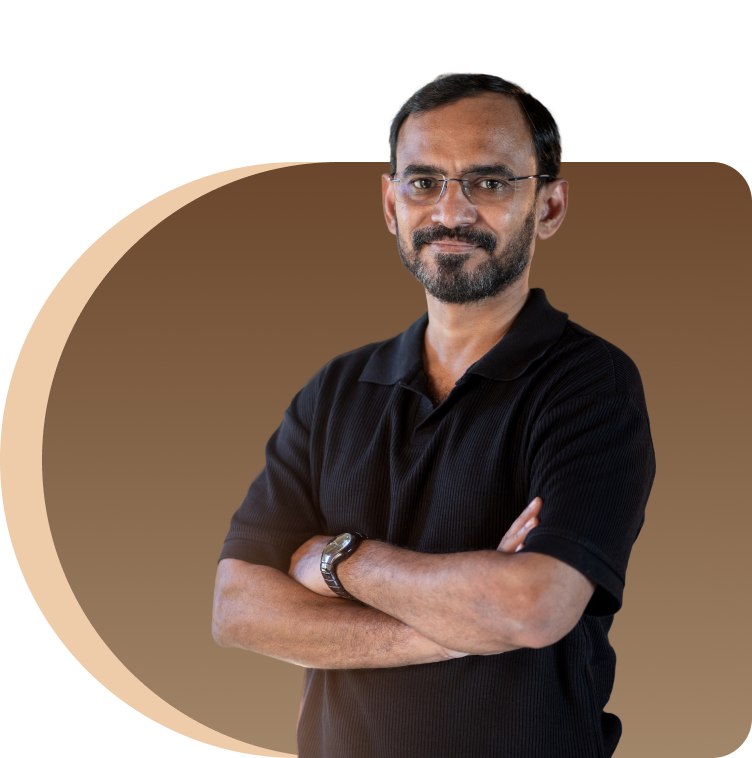
Surgery is a major part of a surgeon’s professional life, but the responsibility does not end in the operating room. Teaching, innovation, technology, and continuous learning also influence the future of patient care. For Dr. S. Arumugam, orthopedic surgeon training is part of this wider responsibility. With 27+ years of experience and thousands of joint replacement procedures, he continues to share practical knowledge with postgraduate students while participating in discussions about the future of robotic knee replacement.
Why Orthopedic Surgeon Training Goes Beyond Textbooks
Medical education gives future surgeons a scientific foundation, but surgery also demands judgement, precision, planning, and practical decision-making.
Experienced surgeons can strengthen orthopedic surgeon training by sharing lessons from real procedures. This helps postgraduate students understand why individual surgical decisions matter.
Important areas of learning include:
- Understanding knee anatomy and alignment
- Planning implant positioning
- Achieving appropriate soft-tissue balance
- Developing precision during bone preparation
- Understanding the role of surgical technology
- Learning from clinical experience and outcomes
These lessons encourage students to view surgery as a series of carefully planned decisions rather than simply technical steps.
Teaching Total Knee Replacement to Postgraduate Students
Dr. Arumugam recently interacted with nearly 60 postgraduate students at Chettinad Hospital and Research Institute, where he explained the fundamentals of Total Knee Replacement.
The session went beyond theory. A hands-on demonstration using saw bones helped students understand surgical precision and the principles involved in achieving a well-balanced knee.
Their questions, attentiveness, and clinical curiosity reflected the importance of practical academic interaction in orthopedic surgeon training.
The occasion also had personal significance for Dr. Arumugam, as his younger daughter is pursuing her undergraduate studies at the same institution. Returning there as an educator made the experience a memorable full-circle moment.
Technology and the Future of Orthopedic Surgeon Training
Modern orthopedic surgeon training increasingly includes an understanding of technologies used in joint replacement.
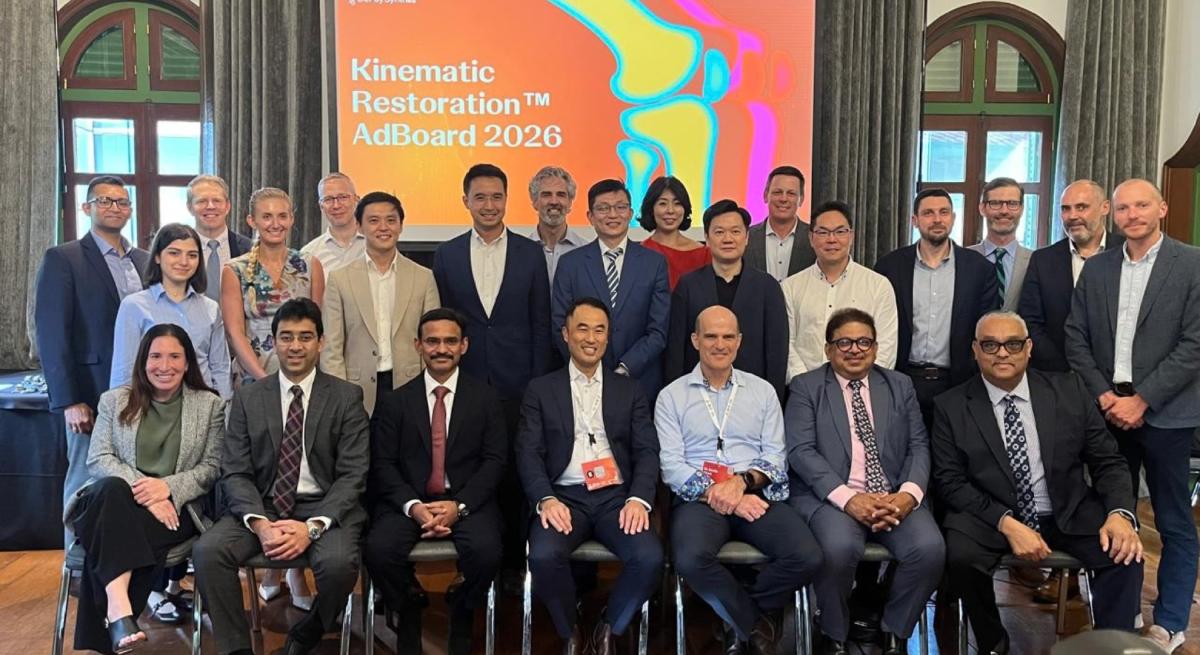
Dr. Arumugam recently attended a conference in Bangkok alongside surgeons from across the Asia-Pacific region. There, he interacted with the design and development team behind the VELYS™ robotic system.
Discussions focused on the future of robotic knee replacement, upcoming innovations, and how robotic systems may be further refined. The conference also brought surgeons together with engineers, software developers, and technology specialists.
Such interaction allows surgeons to contribute clinical observations from the operating theatre while learning how surgical technologies are being developed.
For younger surgeons, there is an important lesson: technology supports surgical knowledge; it does not replace it. Anatomy, alignment, balancing, planning, and clinical judgement remain fundamental.
1,000 Robotic Knee Replacement Surgeries
Dr. S. Arumugam has also reached the milestone of completing 1,000 robotic knee replacement surgeries.
The achievement recognised not only surgical experience but also the patients who trusted the team and the contribution of orthopedic surgeons, doctors, nurses, and support staff involved in their care.
The milestone celebration also marked the launch of a second fourth-generation VELYS™ Robotic-Assisted Solution at Prashanth Hospitals. Padma awardee Dr. Mayil Vahanan Natarajan unveiled the robotic-assisted system, while actor Radikaa Sarathkumar participated in the 1,000-knee milestone event.
Every procedure adds clinical experience involving anatomy, alignment, surgical planning, technique, and patient-specific considerations. Such accumulated experience can also strengthen orthopedic surgeon training when practical lessons are shared with younger doctors.
Learning Never Stops for a Surgeon
Teaching and learning often work together. Questions from postgraduate students can encourage experienced surgeons to revisit fundamental concepts. International conferences provide opportunities to exchange ideas with other surgeons. Discussions with engineers and developers offer another perspective on how technology may evolve.
A surgeon can therefore be an operator in the theatre, an educator in the classroom, a learner at a conference, and a clinical contributor to technological development.
Frequently Asked Questions
What is orthopedic surgeon training?
Orthopedic surgeon training combines medical education, clinical experience, surgical skills, decision-making, and continued professional learning.
What did Dr. Arumugam teach at Chettinad Hospital?
He discussed Total Knee Replacement fundamentals with nearly 60 postgraduate students and conducted a hands-on demonstration using saw bones.
Why are practical demonstrations important?
They help students connect theoretical knowledge with surgical concepts such as bone preparation, alignment, precision, and knee balancing.
What was discussed at the Bangkok conference?
The discussions covered the future of robotic knee replacement, technological innovations, and potential developments in the VELYS™ robotic system.
Why should surgeons understand robotic technology?
Understanding robotic systems helps surgeons use technology appropriately while keeping surgical planning, experience, and clinical judgement central to treatment.
Conclusion
The future of orthopedic surgery depends on both technological progress and the transfer of clinical knowledge to younger surgeons. Orthopedic surgeon training therefore requires strong fundamentals, practical exposure, innovation, and continuous learning.
For Dr. S. Arumugam and his team, the journey extends beyond completing 1,000 robotic knee replacement surgeries. From teaching postgraduate students at Chettinad Hospital and Research Institute to participating in Asia-Pacific discussions around VELYS™ technology, Dr. Arumugam continues to share clinical experience while remaining actively involved in learning and innovation.