Robotic Knee Replacement Surgery: Who Needs It and When Is It Recommended?

Knee pain can gradually affect mobility, independence, and quality of life. Many people continue living with discomfort for years, assuming it is a normal part of ageing. However, persistent pain, stiffness, and reduced movement may indicate severe joint damage. While surgery is not the first recommendation in most cases, there comes a point when doctors may consider robotic knee replacement surgery as an advanced treatment option.
Understanding who needs surgery and when it becomes necessary can help patients seek timely medical advice and avoid prolonged mobility issues.
Knee Pain Does Not Automatically Mean Surgery
One of the biggest misconceptions among patients is that severe knee pain immediately requires replacement surgery.
In reality, orthopedic specialists usually explore non-surgical treatments first, including:
- Physiotherapy and strengthening exercises
- Pain management medications
- Weight reduction where needed
- Activity modification
- Joint-supportive treatments
- Injections in selected cases
Doctors often recommend surgery only when these methods fail to provide lasting relief.
Signs That Your Knee Condition May Need Further Evaluation
Symptoms generally worsen over time rather than appearing suddenly.
Pay attention if you experience:
Difficulty with everyday activities
Routine movements become harder, such as:
- Walking short distances
- Climbing stairs
- Standing for long periods
- Sitting and getting up
- Household tasks
Reduced mobility is one of the most common reasons people seek specialist consultation.
Persistent pain despite treatment
If medications, exercises, or physiotherapy provide only temporary relief, underlying joint damage may be progressing.
Severe stiffness affecting movement
Difficulty bending or straightening the knee can signal worsening degeneration inside the joint.
Pain affecting sleep
Knee pain severe enough to disturb sleep or continue at rest deserves proper evaluation.
Conditions Commonly Associated With Advanced Knee Damage
Certain medical conditions increase the likelihood of requiring surgical intervention.
Advanced Osteoarthritis
Osteoarthritis is among the leading causes behind robotic knee replacement surgery recommendations.
As cartilage wears away, patients may experience:
- Bone-on-bone friction
- Chronic pain
- Swelling
- Reduced flexibility
- Joint deformity
Severe arthritis can significantly affect everyday function.
Rheumatoid Arthritis
Long-term inflammation may permanently damage the knee joint.
Previous Knee Injuries
Old injuries or fractures can lead to progressive degeneration over time.
Avascular Necrosis
Reduced blood supply to bone tissue can impact knee function and joint health.
When Is Robotic Knee Replacement Surgery Usually Recommended?
Doctors generally do not advise surgery immediately after knee pain begins. Robotic knee replacement surgery may be considered when:
- Pain continues despite multiple treatments
- Walking even short distances becomes difficult
- Daily activities are affected
- Knee movement becomes increasingly restricted
- Imaging shows severe arthritis or degeneration
- Sleep is disturbed because of pain
In many cases, advanced arthritis becomes an important deciding factor.
Why Delaying Treatment Too Long Can Be Risky
Waiting years before seeking evaluation may contribute to:
- Reduced muscle strength
- Increased mobility limitations
- Worsening joint deformity
- Dependence on walking support
Early assessment does not always mean surgery — it helps identify suitable treatment options before symptoms become severe.
Understanding How Robotic-Assisted Procedures Work
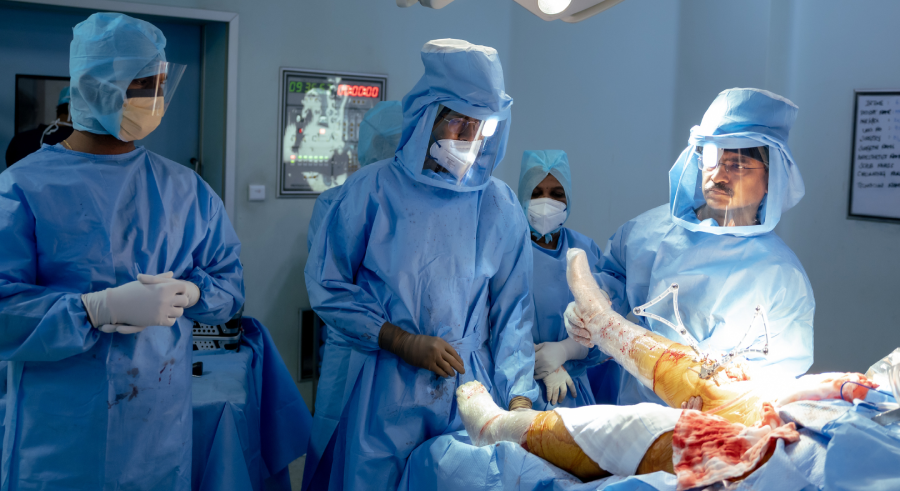
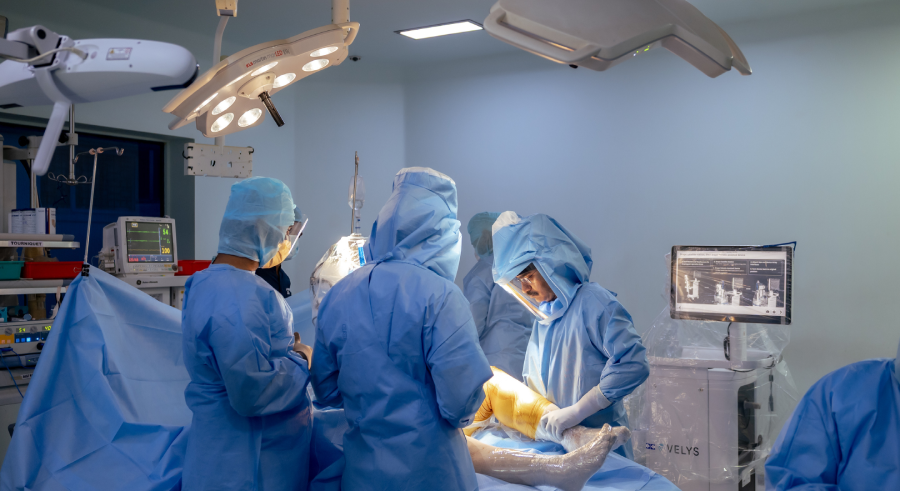
Robotic knee replacement surgery uses advanced planning technology that assists surgeons in achieving higher precision during procedures.
The technology supports evaluation of:
- Implant positioning
- Joint alignment
- Bone anatomy
- Surgical planning
An important clarification:
The robot does not independently perform surgery. The surgeon remains fully in control throughout the procedure.Robotic assistance helps improve planning and precision while maintaining surgeon oversight.
Is Robotic Knee Replacement Surgery Suitable Only for Older Adults?
No. While older adults commonly undergo joint replacement procedures, younger individuals may also require evaluation because of:
- Sports injuries
- Early arthritis
- Obesity-related joint stress
- Previous trauma
- Lifestyle demands
Eligibility depends more on joint condition than age alone.
Recovery After Surgery: What Patients Commonly Experience
Recovery varies between individuals depending on age, health condition, and rehabilitation.
Recovery often includes:
Initial phase
- Assisted walking
- Pain management
- Early exercises
Rehabilitation phase
- Physiotherapy
- Strength building
- Mobility improvement
Long-term progress
- Improved movement
- Better walking confidence
- Enhanced ability to perform daily activities
Commitment to rehabilitation remains important for recovery outcomes.
Frequently Ask Questions
How do doctors decide whether robotic knee replacement surgery is necessary?
Doctors assess symptoms, imaging results, arthritis severity, and how much daily life is affected.
Can physiotherapy prevent surgery?
In early stages, physiotherapy may reduce symptoms. Severe joint damage may still require surgical evaluation.
Does persistent knee pain always mean surgery is needed?
No. Many patients improve through non-surgical treatment options.
Is robotic knee replacement surgery only recommended for severe arthritis?
Advanced arthritis is a common reason, but recommendations depend on overall mobility and symptoms.
Can younger adults undergo robotic-assisted knee procedures?
Yes. Suitability depends on joint damage rather than age.
Is robotic knee replacement surgery available in Chennai?
Advanced orthopedic centers in Chennai increasingly provide robotic-assisted joint replacement procedures.
Better Mobility Often Begins With Timely Decisions
Long-term knee pain should not simply be accepted as part of ageing. Persistent stiffness, reduced mobility, and worsening arthritis deserve proper medical attention. Understanding when robotic knee replacement surgery becomes necessary can help patients seek treatment before daily activities become significantly affected.
For patients exploring advanced orthopedic care in Chennai, Dr. Arumugam, associated with Chennai Ortho, has extensive experience in precision-based joint replacement procedures. With 27+ years of experience, 8000+ joint replacements, 1000+ robotic knee surgeries, and treatment experience across 20,000+ patients, his work reflects continued focus on robotic-assisted orthopedic care and modern knee replacement techniques.