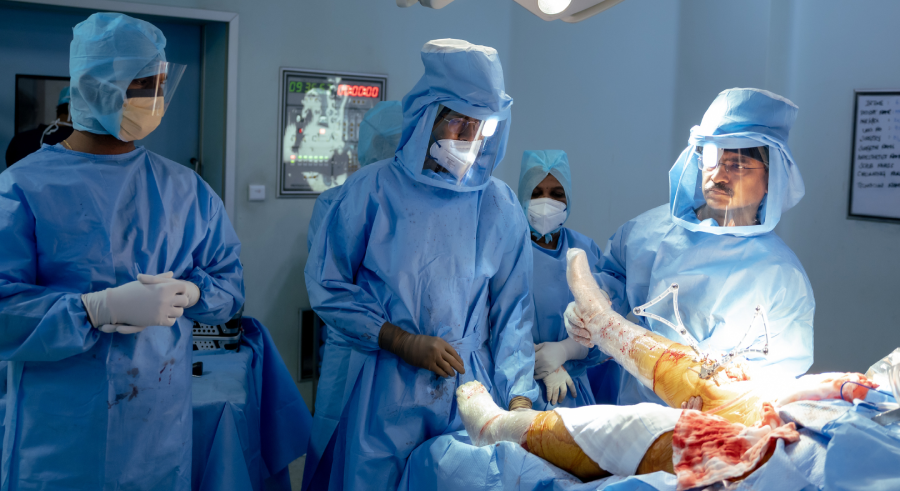
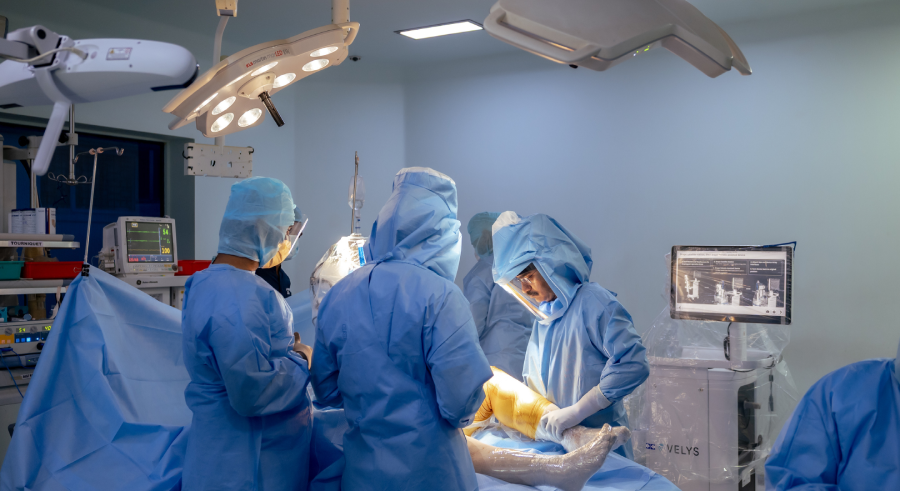
When Is Revision Knee Replacement Surgery Needed?

A knee replacement is performed to relieve pain and improve joint function in people with advanced arthritis or significant knee damage. While most knee replacements continue to function well for many years, a small number of patients may develop problems over time due to implant wear, loosening, infection, instability, stiffness, or injury. In such cases, revision knee replacement surgery may be recommended to address the underlying issue and restore the function of the knee joint.
A revision knee replacement is a procedure performed to replace or correct a previously implanted knee prosthesis. It is not routinely required, but it can become necessary when problems develop within the implant, surrounding bone, or soft tissues. Recognizing these issues early allows patients to receive appropriate treatment before further complications occur.
Understanding Revision Knee Replacement
Unlike an initial knee replacement, revision surgery focuses on correcting an existing artificial joint. The surgeon evaluates why the original implant is no longer functioning properly and develops a treatment plan based on the specific problem.
A revision knee replacement may involve replacing a single component, multiple components, or the entire implant depending on the condition of the knee.
Why Does a Knee Replacement Fail?
Modern implants are manufactured to withstand 20 - 25 years of regular use. However, the knee remains a weight-bearing joint that experiences constant stress. Over time, certain issues can affect implant performance.
Some of the most common causes include:
- Gradual wear of implant materials
- Loosening between the implant and bone
- Joint infection
- Implant instability
- Fractures around the artificial joint
- Changes in bone quality
- Incorrect positioning of components
The presence of one or more of these factors may lead an orthopedic surgeon to consider a revision knee replacement.
Symptoms That Should Not Be Ignored
A knee replacement should allow smooth and stable movement. When symptoms begin to interfere with normal function, further investigation may be required.
Ongoing Pain
Pain that continues for an extended period or appears after years of good function should be evaluated. While occasional discomfort can occur, persistent pain may indicate a problem with the implant or surrounding tissues.
Swelling Around the Joint
Repeated swelling that does not improve with rest may be linked to inflammation, loosening, infection, or mechanical issues within the knee.
Loss of Stability
A feeling that the knee shifts unexpectedly or lacks support during walking can suggest instability. This may occur when supporting structures around the implant no longer provide adequate control.
Reduced Range of Motion
Difficulty bending or straightening the knee can affect everyday tasks and may indicate changes within the joint that require medical attention.
When Implant Loosening Becomes a Concern
One reason patients undergo a revision knee replacement is implant loosening. The artificial components depend on a secure connection with the surrounding bone. If that connection weakens over time, the implant may begin to move slightly during activity.
Common signs include:
- Pain during standing or walking
- Reduced confidence while using the knee
- Swelling after activity
- Progressive decline in knee function
Early diagnosis is important because untreated loosening can affect the surrounding bone.
The Role of Infection
Although uncommon, infection remains one of the most serious complications associated with knee replacement surgery.
An infection can develop shortly after surgery or even years later. Symptoms may include:
- Warmth around the knee
- Increased swelling
- Persistent discomfort
- Fever
- Fluid discharge near the surgical scar
When an infection affects the implant, a revision knee replacement may be required as part of the treatment plan.
Fractures Around a Knee Implant
A fall or injury can sometimes result in a fracture near an existing knee replacement. These fractures may affect implant stability and joint function.
Treatment depends on factors such as:
- Location of the fracture
- Bone quality
- Stability of the implant
- Overall health of the patient
In some situations, revision surgery offers the most effective way to restore knee stability.
How Orthopedic Specialists Evaluate the Knee
Before recommending a revision knee replacement, the surgeon performs a detailed assessment to identify the exact cause of symptoms.
Evaluation typically includes:
Physical Examination
The knee is assessed for:
- Swelling
- Stability
- Alignment
- Movement
- Areas of tenderness
Imaging
X-rays help determine whether implant components remain properly positioned. Additional imaging may be recommended when further detail is required.
Laboratory Investigations
Blood tests and joint fluid analysis can help identify infection and other underlying conditions affecting the implant.
What Happens During Revision Surgery?
Every revision procedure is different because each patient presents with unique challenges.
Depending on the diagnosis, the surgeon may:
- Remove worn components
- Replace loose implants
- Correct alignment problems
- Address bone defects
- Restore joint stability
Specialized implants are often used to provide additional support where standard components may not be sufficient.
Can Revision Surgery Be Avoided?
Not every complication can be prevented, but certain measures may help reduce the likelihood of future problems.
Patients should:
- Attend scheduled follow-up visits
- Maintain a healthy body weight
- Report new symptoms promptly
- Follow rehabilitation recommendations
- Protect the joint from major injuries
Regular monitoring allows potential concerns to be identified before they become more serious.
Frequently Asked Questions
Is revision knee replacement common?
Most knee replacements function successfully for many years. Revision surgery is generally recommended only when a specific problem affects the performance of the implant.
How long does recovery take?
Recovery varies depending on the reason for revision and the extent of surgery. Rehabilitation remains an important part of regaining strength and movement.
Does every painful knee replacement require revision surgery?
No. Pain can occur for several reasons. A detailed orthopedic assessment is needed to determine the most appropriate treatment.
Conclusion
A revision knee replacement may be recommended when a previous knee replacement is affected by loosening, infection, instability, fractures, or implant wear. The decision is based on a thorough evaluation of symptoms, imaging findings, and overall knee function.
Timely assessment can help prevent further joint damage and improve treatment outcomes. For patients experiencing concerns after knee replacement surgery, Dr. Arumugam and his team provide comprehensive evaluation, advanced diagnostic assessment, and personalized treatment strategies to determine whether revision surgery or alternative management options are the most suitable approach.