Common Myths About Knee Replacement Surgery Debunked

Hearing that you may need knee replacement surgery can raise many questions. It is common to hear different opinions from friends, family, or online sources, but not all of them are accurate. Many myths about knee replacement surgery are based on outdated information or individual experiences that may not apply today. Advances in surgical techniques, implant technology, and robotic-assisted procedures have made knee replacement more precise and patient-focused. Understanding the facts can help patients make informed decisions and approach treatment with greater confidence.
Why Do Myths About Knee Replacement Surgery Continue?
Many myths about knee replacement surgery have existed for years because surgical methods and recovery protocols were very different in the past. Modern orthopedic care focuses on personalized treatment, accurate surgical planning, and structured rehabilitation to support better outcomes.
With 27+ years of orthopedic experience, Dr. S. Arumugam has performed 8,000+ joint replacement surgeries, including 1,000+ robotic knee replacement procedures. His experience treating patients with different knee conditions reinforces that every treatment plan should be based on medical evaluation rather than common misconceptions.
Myth 1: Knee Replacement Is Only for Older Adults
This is one of the most common myths about knee replacement surgery.
The Fact
The decision to undergo knee replacement depends on the condition of the knee, not age alone. Surgery may be recommended when arthritis or joint damage significantly affects daily life and non-surgical treatments are no longer effective.
Dr. S. Arumugam has treated patients across a wide age range, including a 14-year-old with a complex knee condition and individuals in their 90s who wanted to maintain an active lifestyle. These examples show that the right time for surgery depends on the patient's overall health and knee condition.
Myth 2: Recovery Means Weeks of Complete Bed Rest
The Fact
Recovery today encourages early and safe movement. Many patients begin standing and walking with assistance the next day after surgery. Depending on the surgeon's advice and individual recovery, some patients may also be able to climb stairs within the first 3 days. Physiotherapy plays an important role in restoring strength, flexibility, and confidence during recovery.
Each person's recovery timeline is different, but following the prescribed rehabilitation program helps patients gradually return to daily activities.
Myth 3: You Won't Be Able to Enjoy Everyday Activities Again
The Fact
The goal of knee replacement is to improve mobility and help patients return to activities that knee pain has limited. After rehabilitation, many patients are able to resume:
- Walking comfortably
- Climbing stairs
- Driving
- Shopping
- Travelling
- Light recreational activities
The orthopedic surgeon will guide patients on returning safely to different activities based on their recovery.
Myth 4: Robotic Surgery Means the Robot Performs the Operation
This is one of the newer myths about knee replacement surgery.
The Fact
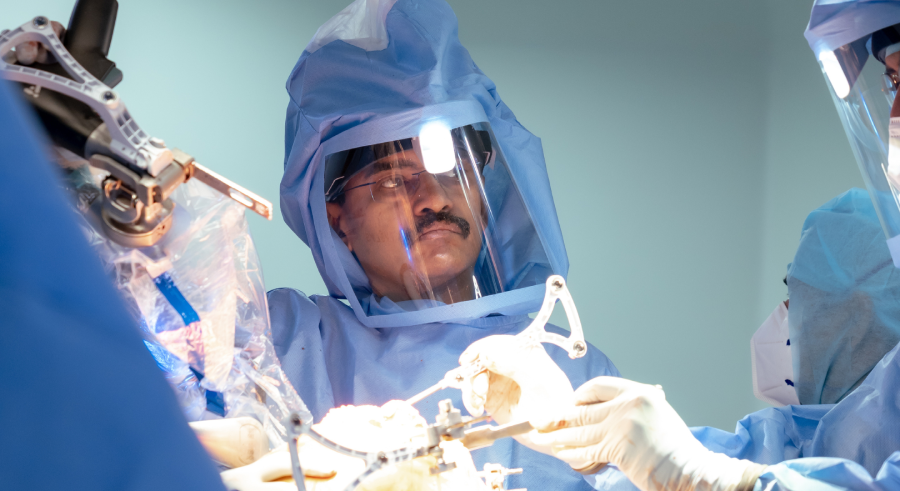
The robot does not perform the surgery. The orthopedic surgeon remains in complete control throughout the procedure while the robotic system provides real-time guidance for accurate implant positioning and bone preparation.
This combination of technology and surgical expertise has helped Dr. S. Arumugam successfully complete 1,000+ robotic knee replacement surgeries, with patients travelling from across India and overseas for specialized orthopedic care.
Myth 5: It Is Better to Delay Surgery for as Long as Possible
The Fact
Many people believe they should wait until the pain becomes unbearable before considering surgery. However, delaying treatment when knee pain severely limits mobility may lead to further joint damage, reduced muscle strength, and difficulty performing everyday activities.
Consulting an orthopedic specialist early helps patients understand all available treatment options and decide on the right time for surgery.
Frequently Asked Questions
Is knee replacement only for elderly people?
No. The recommendation depends on the severity of joint damage, symptoms, and overall health rather than age.
Will I be able to walk normally again?
Many patients regain comfortable walking and improved mobility after surgery with proper rehabilitation.
Does robotic-assisted surgery replace the surgeon?
No. The surgeon performs the entire procedure while the robotic system provides guidance to improve precision.
How long does recovery take?
Recovery varies from person to person and depends on overall health, physiotherapy, and following postoperative instructions.
Conclusion
Many myths about knee replacement surgery continue to create unnecessary fear, but modern orthopedic care has made the procedure safer, more precise, and more personalized than ever before. Understanding the facts instead of relying on misconceptions helps patients make confident decisions about their joint health.
With 27+ years of experience, Dr. S. Arumugam and team have performed 8,000+ joint replacement surgeries, including 1,000+ robotic knee replacement procedures, caring for patients across a broad age range from complex cases in teenagers to active adults in their 90s. Their focus is on recommending the most appropriate treatment for each individual, helping patients regain mobility and return to the activities they enjoy with confidence.