7 Early Signs of Knee Arthritis You Should Never Ignore

Knee discomfort is often dismissed as tiredness, aging, or strain from daily activities. However, the early signs of knee arthritis can begin quietly and worsen over time if left unchecked. Many people continue with their routine despite stiffness, swelling, or mild pain, only seeking help when walking, climbing stairs, or standing becomes difficult.
Recognizing symptoms early can make a major difference. Timely diagnosis may help slow progression, improve mobility, and reduce long-term joint damage. Understanding what the body is trying to communicate is often the first step toward protecting knee health.
Why Knee Arthritis Often Goes Undetected in the Beginning
Arthritis in the knee develops gradually. Unlike sudden injuries, symptoms may appear slowly over months or years. Some individuals experience discomfort only after activity, while others notice subtle changes in movement.
Common factors linked with knee arthritis include:
- Increasing age
- Previous knee injuries
- Excess body weight
- Family history of joint problems
- Repetitive stress on the knee due to work or sports
- Weak surrounding muscles supporting the joint
Ignoring early warning signs may lead to reduced flexibility and worsening pain over time.
1. Recurring Knee Pain After Daily Activities
One of the most common early signs of knee arthritis is pain that appears during or after movement.
Pain may occur while:
- Climbing stairs
- Walking longer distances
- Exercising
- Standing for extended periods
At first, discomfort often improves with rest. As arthritis progresses, pain may become more frequent.
Recurring pain should not automatically be considered part of aging.
2. Morning Stiffness That Takes Time to Improve
Among the early signs of knee arthritis, stiffness after waking up is common.
People may notice:
- Difficulty bending the knee
- Slower movement in the morning
- Tightness after prolonged sitting
Persistent stiffness can indicate inflammation inside the joint.
If morning stiffness becomes regular, monitoring symptoms becomes important.
3. Swelling Around the Knee Joint
Swelling is another symptom linked to the early signs of knee arthritis. Inflammation within the joint may create visible puffiness or a feeling of pressure.
Common experiences include:
- Warm sensation near the knee
- Tightness while bending
- Mild or visible swelling
- Feeling heaviness around the joint
Swelling without recent injury should not always be ignored.
4. Cracking or Grinding Sounds During Movement
Some individuals notice clicking or grinding while walking or bending.
These sounds may become one of the early signs of knee arthritis when accompanied by pain or stiffness.
People often report:
- Crunching sensations
- Cracking while climbing stairs
- Grinding when standing up
Changes in cartilage can contribute to these sensations.
5. Reduced Knee Flexibility
The early signs of knee arthritis can include reduced movement over time.
Simple activities may become difficult:
- Sitting cross-legged
- Squatting comfortably
- Entering vehicles
- Kneeling
Loss of flexibility often develops gradually, making it easy to miss initially.
6. Weakness or Feeling That the Knee Is Unstable
A knee that suddenly feels weak may be showing one of the early signs of knee arthritis.
Some individuals experience:
- Loss of confidence while walking
- Knee instability
- Feeling the joint may give way
Weakness can increase fall risk and affect mobility.
7. Pain That Worsens After Activity or Weather Changes
Another one of the early signs of knee arthritis involves discomfort appearing after prolonged activity or during colder weather.
Pain may increase after:
- Long walks
- Standing for several hours
- Physical strain
- Seasonal weather changes
Tracking symptom patterns can help identify underlying joint problems.
When Mild Symptoms Become a Bigger Problem
Early arthritis symptoms may seem manageable initially. The challenge is that cartilage deterioration often progresses silently.
Warning signs that need medical attention include:
- Pain affecting sleep
- Difficulty performing everyday tasks
- Frequent swelling
- Reduced walking distance
- Increasing stiffness despite rest
Seeking evaluation earlier may provide more treatment options before significant joint damage develops.
Can Early Knee Arthritis Be Managed?
Many cases benefit from non-surgical approaches when identified early.
Management strategies may include:
Lifestyle adjustments
- Weight management
- Activity modification
- Joint-friendly exercise routines
Strengthening exercises
Improving muscle support around the knee can reduce pressure on joints.
Physiotherapy
Structured movement programs help improve flexibility and mobility.
Medications
Doctors may recommend pain relief or anti-inflammatory options based on symptoms.
Advanced treatment options
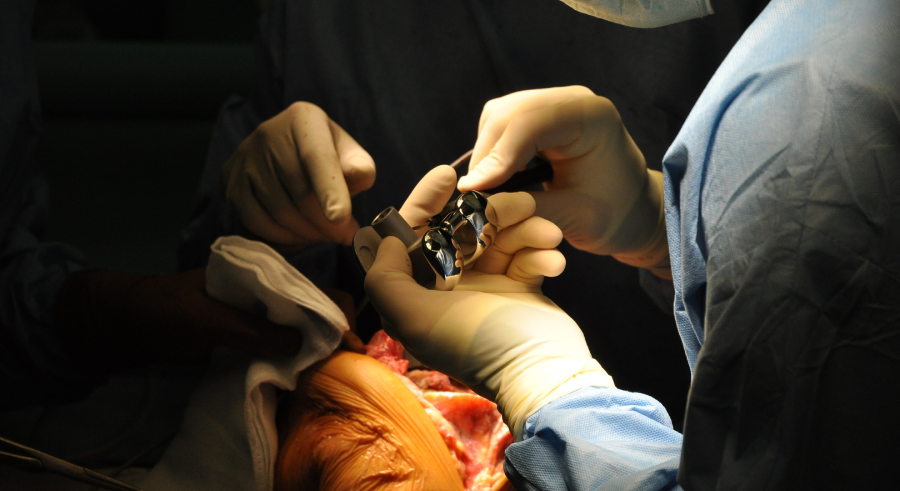
For severe arthritis affecting quality of life, surgical interventions, including robotic-assisted procedures, may be considered depending on individual evaluation.
Early diagnosis generally expands treatment possibilities.
Daily Habits That May Support Knee Health
People concerned about the early signs of knee arthritis may benefit from healthy joint habits:
- Stay active regularly
- Avoid prolonged sitting
- Strengthen leg muscles
- Maintain balanced body weight
- Wear supportive footwear
- Seek help for persistent knee pain
Consistent care can help support mobility over time.
Frequently Asked Questions
What are the earliest warning signs of knee arthritis?
The early signs of knee arthritis commonly include stiffness, recurring pain, swelling, reduced flexibility, and discomfort during movement.
Can young adults experience early signs of knee arthritis?
Yes. Previous injuries, obesity, repetitive stress, or genetics may contribute to the early signs of knee arthritis even at a younger age.
Does knee stiffness always indicate arthritis?
Not always. However, persistent stiffness combined with pain or swelling may require medical evaluation.
How long should knee pain continue before seeking help?
Pain lasting several weeks, repeated swelling, or worsening mobility should be assessed by a specialist.
Can exercise help with the early signs of knee arthritis?
Appropriate low-impact exercise may improve strength and support joint function.
Paying Attention Early Can Protect Mobility Later
The early signs of knee arthritis often appear quietly with minor stiffness, occasional swelling, or discomfort after activity. These symptoms may seem insignificant initially but can gradually affect mobility, independence, and overall quality of life.
Recognizing changes early and seeking expert guidance can help individuals explore treatments before severe progression occurs. For those experiencing persistent knee issues or advanced arthritis, experienced specialists such as Dr Arumugam, known for expertise in robotic knee replacement and joint care, emphasize the importance of timely assessment and personalized treatment planning.