ACL Tear Symptoms and When Surgery May Be Needed

A knee injury during sports or even a simple misstep can sometimes be more serious than it first appears. Among the most common ligament injuries seen by orthopedic specialists is an anterior cruciate ligament (ACL) tear. Some people experience immediate pain and swelling, while others notice problems only when the knee begins giving way during daily activities.
Recognizing ACL tear symptoms early is important because an unstable knee can place additional stress on the meniscus and joint cartilage. Timely evaluation helps determine the severity of the injury and whether rehabilitation alone is sufficient or if surgical treatment should be considered.
Understanding an ACL Tear
The ACL is one of the main stabilizing ligaments of the knee. It helps control forward movement of the shin bone and supports rotational stability during activities such as running, turning, landing, and pivoting.
An ACL tear usually occurs when the knee twists suddenly while the foot remains planted on the ground. It is frequently seen during sports, but it can also happen during falls, road accidents, or awkward movements that place excessive force on the knee.
ACL Tear Symptoms Patients Often Notice
The severity of ACL tear symptoms can vary depending on whether the ligament is partially torn or completely ruptured. However, several warning signs are commonly reported.
A Sudden Snap or Popping Sensation
Many patients describe feeling a snap inside the knee at the time of injury. This sensation is often different from a routine muscle strain and may be followed by immediate discomfort.
Swelling Within a Few Hours
One of the most significant ACL tear symptoms is rapid swelling. The knee may appear noticeably swollen within a few hours after the injury due to bleeding inside the joint.
Knee Instability
A feeling that the knee cannot be trusted is a classic sign of ACL injury. Patients often report that the knee shifts, buckles, or gives way when turning or changing direction.
Pain During Movement
Pain levels vary from person to person. Some individuals experience sharp pain immediately, while others notice discomfort mainly during movement or weight-bearing activities.
Limited Knee Motion
As swelling increases, bending or straightening the knee may become difficult. Many patients find that their normal range of motion is reduced for several days after the injury.
Difficulty Returning to Sports
Athletes frequently notice that they cannot run, pivot, or change direction confidently after the injury. This loss of confidence often reflects underlying instability within the knee.
When ACL Tear Symptoms Should Not Be Ignored
Not every knee injury requires surgery, but certain ACL tear symptoms should prompt an orthopedic consultation.
Seek medical evaluation if:
- Swelling develops shortly after an injury
- The knee repeatedly gives way
- Walking becomes difficult
- Pain does not improve with rest
- Sporting activities cannot be resumed
- The knee feels unstable during everyday movements
Early diagnosis can help prevent secondary damage to other structures inside the knee.
How an ACL Tear Is Diagnosed
Diagnosis usually involves a clinical examination and MRI scan. During the examination, the orthopedic specialist assesses knee stability and ligament function. MRI helps confirm the injury and identify associated damage to the meniscus, cartilage, or surrounding ligaments.
Can ACL Injuries Be Treated Without Surgery?
The presence of ACL tear symptoms does not automatically mean surgery is required.
Non-surgical treatment may be suitable for partial tears, stable knees, and individuals with lower activity demands. Treatment typically includes physiotherapy, strengthening exercises, activity modification, and symptom management. Many patients regain satisfactory function when instability is minimal.
When Surgery May Be Needed
The decision to perform ACL reconstruction is based on symptoms, activity demands, and knee stability rather than MRI findings alone.
Repeated Episodes of Giving Way
If the knee continues to buckle during routine activities, surgery may be recommended to restore stability.
Complete ACL Tear in Active Individuals
People who participate in sports involving running, jumping, and sudden directional changes often require reconstruction to return to their desired activity level.
Combined Injuries
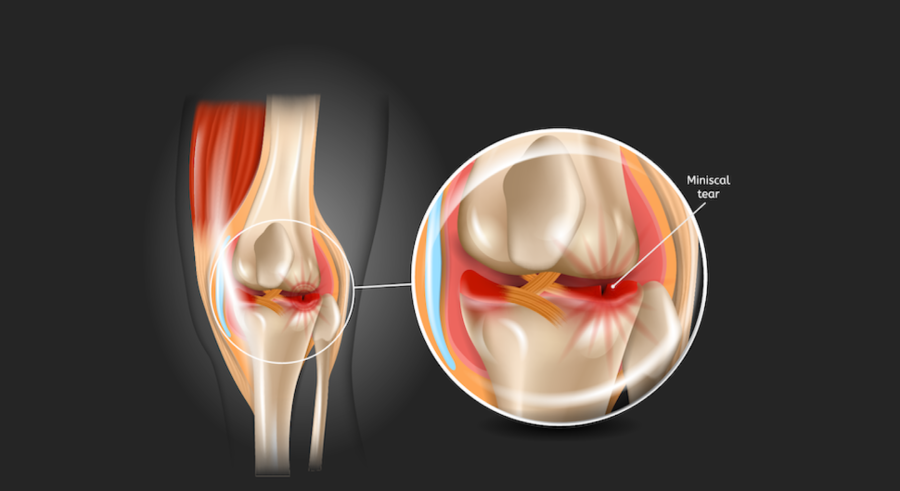
When an ACL tear occurs alongside a meniscus injury or cartilage damage, surgical treatment may be considered to protect long-term knee function.
Ongoing Instability Despite Rehabilitation
Some patients continue to experience instability even after completing physiotherapy. In such cases, reconstruction may provide a more reliable and stable knee.
Younger and Physically Active Patients
Individuals with higher activity demands often place greater stress on the knee joint, making reconstruction a suitable option in selected cases.
What Happens During ACL Reconstruction?
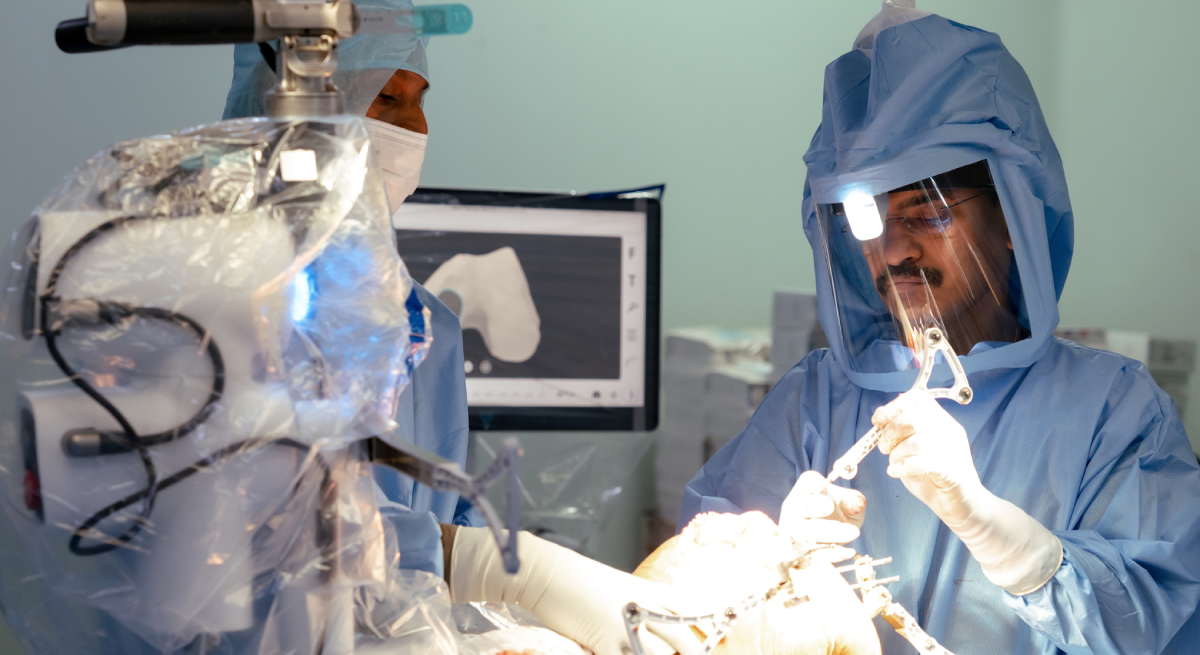
ACL reconstruction is usually performed arthroscopically through small incisions. The damaged ligament is replaced with a graft to restore knee stability and support a return to normal activities and sports.
Frequently Asked Questions
Can I walk with an ACL tear?
Many people can walk after an ACL injury, but walking normally does not rule out a significant ligament tear.
Are ACL tear symptoms always severe?
No. Some patients experience only mild pain but later notice instability during activity.
How soon should treatment begin?
Assessment by an orthopedic specialist should ideally occur soon after injury, especially if swelling or instability develops.
Does every ACL tear need surgery?
No. Treatment depends on the severity of the injury, knee stability, lifestyle, and activity level.
Can delaying treatment cause further problems?
In some cases, repeated instability may increase the risk of meniscus and cartilage damage over time.
Conclusion
Recognizing ACL tear symptoms early allows appropriate treatment to begin before instability leads to further joint damage. Swelling, a snapping sensation at the time of injury, difficulty with movement, and repeated episodes of the knee giving way should all be evaluated by an orthopedic specialist. While many patients recover successfully with rehabilitation, others may benefit from ACL reconstruction to restore stability and protect long-term knee function.
With more than 27 years of orthopedic experience, Dr. S. Arumugam and his team evaluate each ACL injury individually and recommend treatment based on the patient's symptoms, activity level, knee stability, and recovery goals. Early diagnosis remains one of the most important factors in achieving the best possible outcome after an ACL injury.